


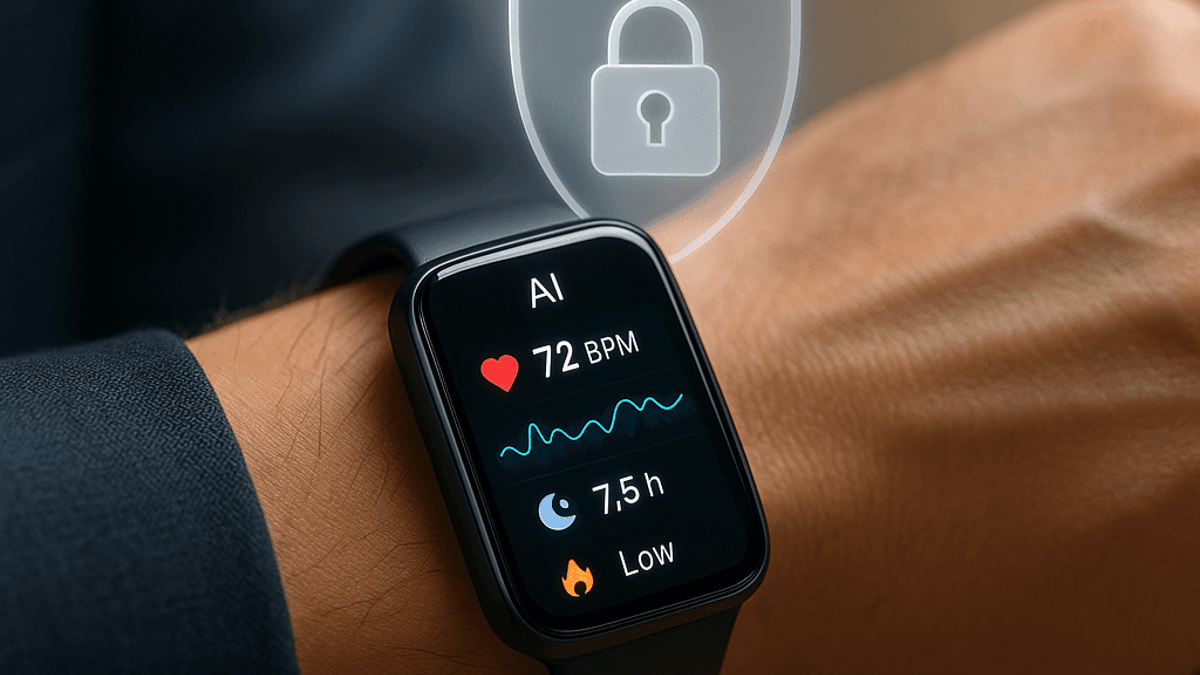
The AI wearables revolution just hit a major speed bump. Oura’s mysterious IPO withdrawal has exposed deeper cracks in the wearable tech market, while Apple, Google, and Meta’s aggressive push into AI-powered devices faces mounting privacy concerns. The timing couldn’t be worse for an industry that promised to be the next big thing in personal computing
The wearable tech industry is having its worst week in years. Oura, the Finnish health ring maker that was supposed to lead the charge into AI-powered wellness tracking, just pulled what industry insiders are calling a “weird” IPO retreat. The company’s sudden decision to postpone its public debut has sent ripples through Silicon Valley, where everyone was betting on wearables as the next smartphone-sized opportunity.
The timing is particularly brutal for Apple, Google, and Meta, all of whom have been pouring billions into AI-powered wearable devices. Apple’s latest Apple Watch Series 10 with advanced health AI, Google’s upcoming Pixel Watch 3 with Gemini integration, and Meta’s Ray-Ban smart glasses with AI assistants were all supposed to capitalize on the wearables boom that Oura’s IPO was meant to validate
Instead, the market is facing a perfect storm of privacy concerns that’s making consumers think twice about strapping always-on AI devices to their bodies. Recent surveys show 67% of potential wearable buyers are “very concerned” about how their biometric data gets used, up from 34% just two years ago
“We’re seeing a fundamental shift in consumer sentiment,” says Sarah Chen, a wearables analyst at Counterpoint Research. “The promise of AI-powered health insights is compelling, but people are finally asking the hard questions about what happens to all that intimate data.”
The privacy backlash isn’t just theoretical anymore. European regulators are already circling, with the EU preparing new guidelines specifically targeting AI wearables. The proposed rules would require explicit consent for any biometric data processing and give users the right to demand their data be deleted from AI training sets
For Oura, which built its entire business model around subscription-based AI health insights, these regulatory headwinds made the IPO timing impossible. The company’s internal projections, according to s that could eat into margins for years
Meanwhile, the big tech giants are trying a different approach. Apple is doubling down on on-device processing, promising that most AI computations happen locally on the watch itself. Google is pushing its “federated learning” approach, where AI models improve without sending raw data to the cloud. Meta is betting that social features will outweigh privacy concerns, integrating AI assistants directly into everyday glasses.
But even these tech titans are feeling the pressure. Apple’s latest privacy report shows the company now processes 40% less biometric data than it did two years ago, while still trying to improve AI accuracy. It’s a technical challenge that’s proving harder than anyone expected
Advertisement
The market dynamics are getting messy too. Traditional fitness tracker companies like Fitbit (now owned by Google) are losing ground to newer players who promise better privacy protection. Startups like Whoop and Garmin are positioning themselves as the “privacy-first” alternatives, even as they roll out their own AI features
What’s particularly frustrating for the industry is that the technology itself has never been better. Modern AI wearables can detect early signs of illness, predict mental health episodes, and provide personalized coaching that actually works. The Apple Watch’s fall detection has saved lives, and Oura’s sleep analysis has helped millions improve their rest patterns
But none of that matters if consumers don’t trust the companies making these devices. The Cambridge Analytica scandal may have happened on social media, but its effects are rippling through every corner of the tech industry where personal data meets AI algorithms
The industry’s response has been a mix of technical innovation and marketing spin. Everyone’s talking about “edge computing” and “differential privacy,” but most consumers just want simple answers: Who sees my data? How long do you keep it? Can I really delete it?
Advertisement
Some companies are getting creative with their solutions. One startup is developing wearables that encrypt all data locally and only share anonymized insights. Another is building devices that automatically delete personal data after 30 days unless users explicitly opt to keep it longer
The real test will come this holiday season, when all these new AI wearables hit the market at the same time. Early pre-order numbers are mixed – strong interest from tech enthusiasts, but hesitation from mainstream consumers who are still processing the privacy implications
For Oura, the IPO delay might actually be smart timing. The company can use the extra months to build stronger privacy protections and wait for regulatory clarity. But for the broader industry, every month of delay means more lost momentum in what was supposed to be the breakout year for AI wearables
The AI wearables industry stands at a crossroads where technological capability meets consumer trust. While companies like Apple, Google, and Meta continue pushing forward with impressive AI features, Oura’s IPO withdrawal signals that privacy concerns aren’t just regulatory hurdles – they’re fundamental market forces that could determine which companies survive the transition to AI-powered personal devices. The next few months will reveal whether the industry can rebuild consumer confidence or if the wearables revolution will need to wait for a new generation of privacy-first technologies.
More Topics:IPOprivacy concernsconsumer devicesApple WatchGoogle Pixel WatchMeta Ray-Banhealth techbiometric dataregulatory compliance
