


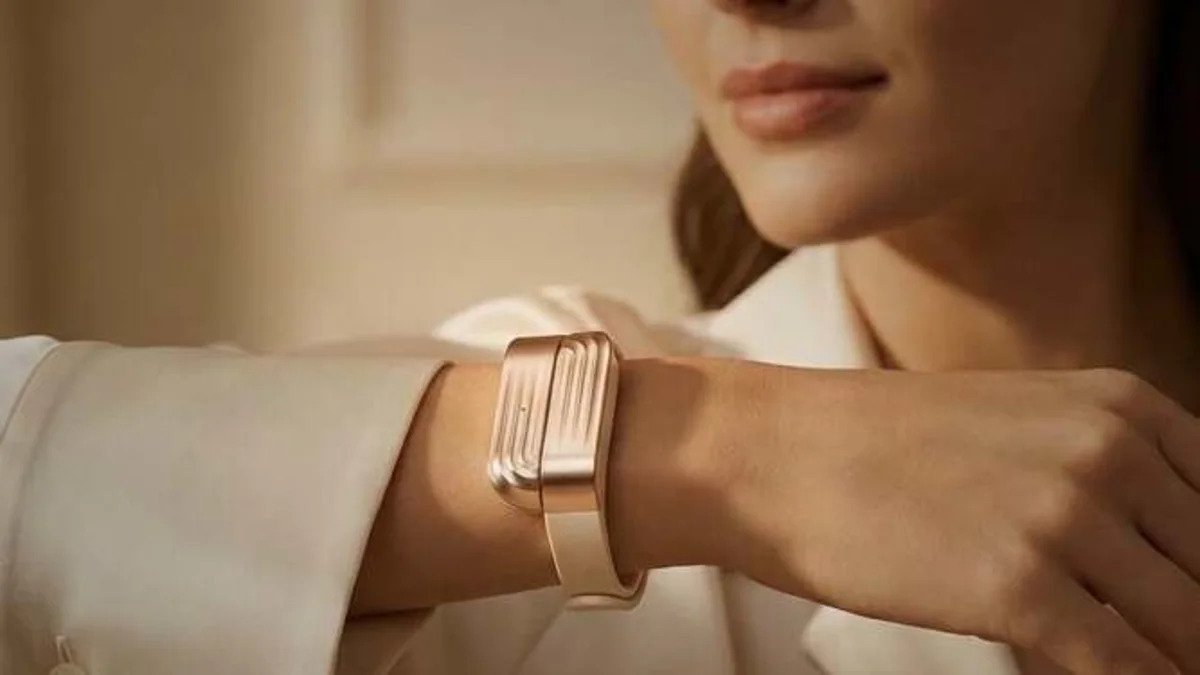
Clair Health co-founder and CTO (Chief Technology Officer) Abhinav Agarwal comes on Asking for a Trend to explain how the company is using AI models in its hormone monitoring device and how new doctors, specifically OBGYNs, can use it to learn more
00:00Abhinav
We use machine learning models and our device. uh, we did several studies and we are doing further more studies. So what we do is we have developed novel sensors which integrate all the physiological data in the way hormones impact their downstream physiology and translate that into hormonal insights. Machine learning models have gotten several orders of magnitude better in the last three to four years, plus uh, the sensor tech has also evolved a lot. So some of the sensors we are doing, we are using have only been around for the last two to three years and we had to experiment a lot with them to make them uh, you know, work for this particular use case.
00:54Speaker A
And how accurate is this device, Abhinav?
01:00Abhinav
So, so far in our initial studies, what we have seen is over 94% accuracy for the cycle face detection and a high R squared score for estro estrogen and progesterone, uh compared to uh urine metabolite based tests
01:21Speaker A
And so give me some examples, Abhinav. Like, okay, I’m wearing this device, now I have the data. How does it impact um you know, a consumer’s life. Give me some real world examples if you could
01:43Abhinav
Yeah, I think I would like to take you to like what the experience of a user is like these days or right now. So most of the graduating obiguans, they don’t get any education in menopause and the and they get no education in perimenopause. So what that ends up being is if someone is experiencing those symptoms and they want to get diagnosed with perimenopause, they want to get access to the care. They would have to have a ledger of their symptoms and then they would get started on a minimum effective dosage of maybe HRT if they are eligible for that. And given that there is like there’s 20 years of gap between like uh, when the black box warning got put on HRT versus when it got lifted last year. Uh there’s this huge care gap that exists because the data wasn’t there. So what it what Clear does is it empowers the user like when they walk into the doctor’s office, they can actually share like any hormonal imbalances, they can share any insights from that and which would lead to further uh, downstream like a doctor ordering the tests, doctor like actually diagnosing them better and all of that so that they can get access to the care that they need.
02:27Abhinav
In terms of the daily lifestyle changes, uh, for a user, for instance, there’s a lot of myth around like around cycle thinking around how like during luteal phase like women shouldn’t exert themselves and all that. But uh as we get more and more data what we are seeing is actually uh, rate of perceived exertion is what goes up around luteal phase as the hormones change as the luteal phase is more progesterone dominant and different women have different response to progesterone rising in the second wave of estrogen. So, those are those are all the things that would change like both in terms of daily lifestyle improvements, but also in terms of the clinical care, in terms of equipping women with the questions that they can ask and also the answers they can seek from their primary care physician.
03:09Speaker A
And Abhinav, how much does the product cost and how many devices have you all sold to date?
03:17Abhinav
Yeah, so we have 30,000 women on a wait list. We have over 6,000 pre-orders. Uh, we are shipping uh later this year in November and the device costs $369
