



close
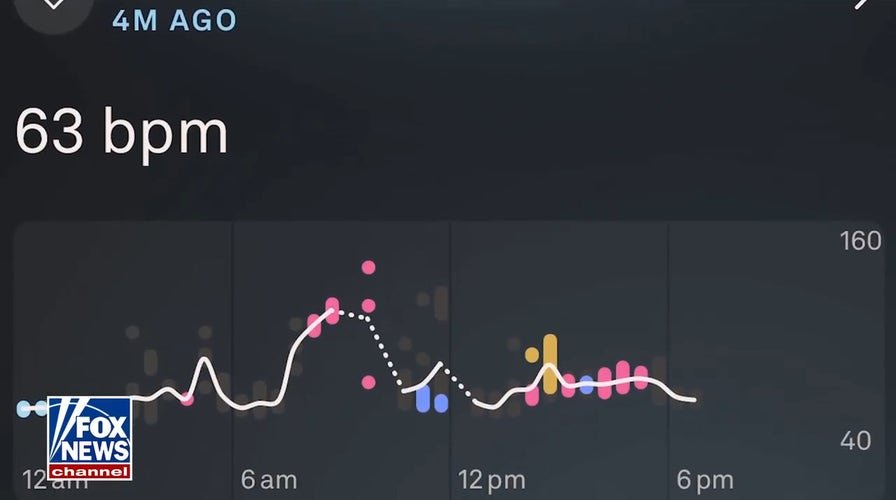
‘Fox & Friends’ explores wearable technology’s role in health and wellness
‘Fox & Friends’ explores wearable technology’s role in health and wellness
NEWYou can now listen to Fox News articles!
From tracking sleep and steps to monitoring heart rate, temperature and stress levels, wearable devices like smartwatches and rings are growing in popularity as wellness tools
Fox News’ Brian Kilmeade recently used one of these — an Oura ring — to track his metrics from the early morning hours through a demanding work schedule and reported the results live on “Fox & Friends.”
“I just got four hours and one minute [of sleep], but I have some REM sleep, 14%, over 20% of deep sleep. Feeling pretty good, I feel pretty fresh,” Kilmeade shared during his first early morning update, reviewing the stats from his ring
HIDDEN SLEEP DANGER COULD INCREASE RISK OF 172 DISEASES, MAJOR STUDY REVEALS
Throughout the day, the wearable tracked his physiological responses to various environments, from the stress of a live television broadcast to the physical exertion of a workout
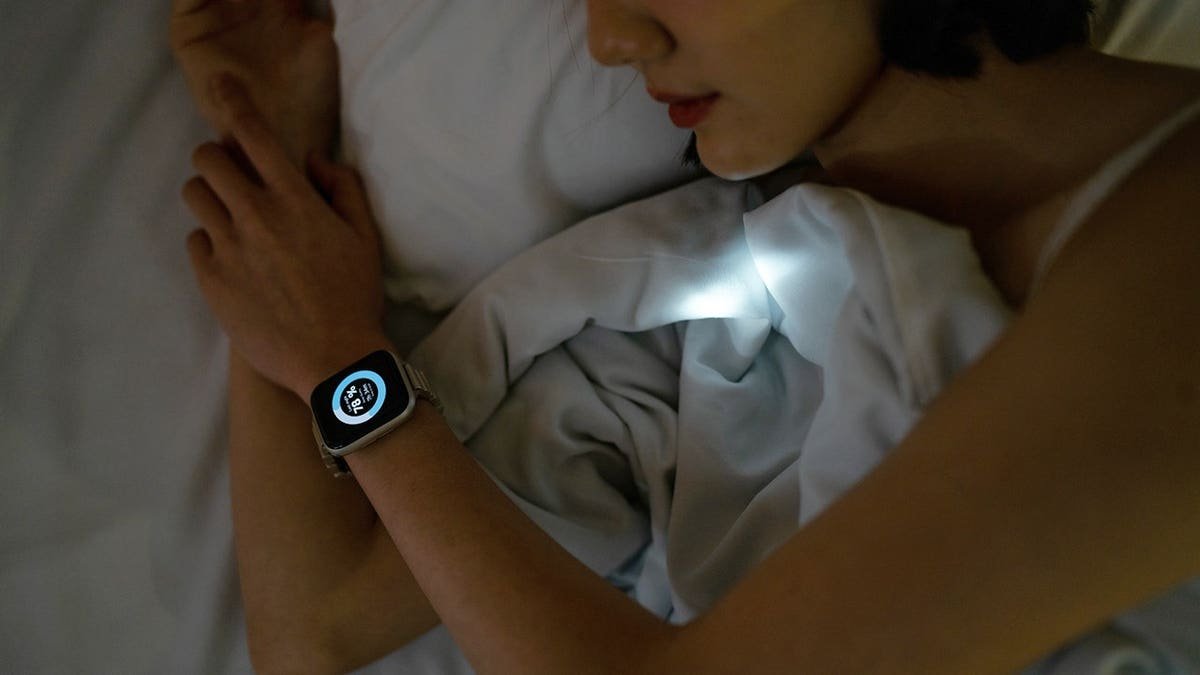
Wearable devices are changing cardiology’s landscape, helping detect conditions like atrial fibrillation early, a cardiologist said.(iStock)
Kilmeade observed the data in real time, noting, “You see the stress level spike just a little bit … as I make my way over to radio, my activity is going to pick up.”
ARTHUR C. BROOKS DISCUSSES HOW TO FIND MEANING AND HAPPINESS IN A TECH-DRIVEN WORLD
Dr. Craig Basman, a New Jersey cardiologist, joined the program to interpret the data and discuss the clinical implications of such technology
CLICK HERE FOR MORE HEALTH STORIES
Basman immediately addressed Kilmeade’s limited rest. “Well, I don’t think you have to be a cardiologist to diagnose him with suboptimal sleep,” he said
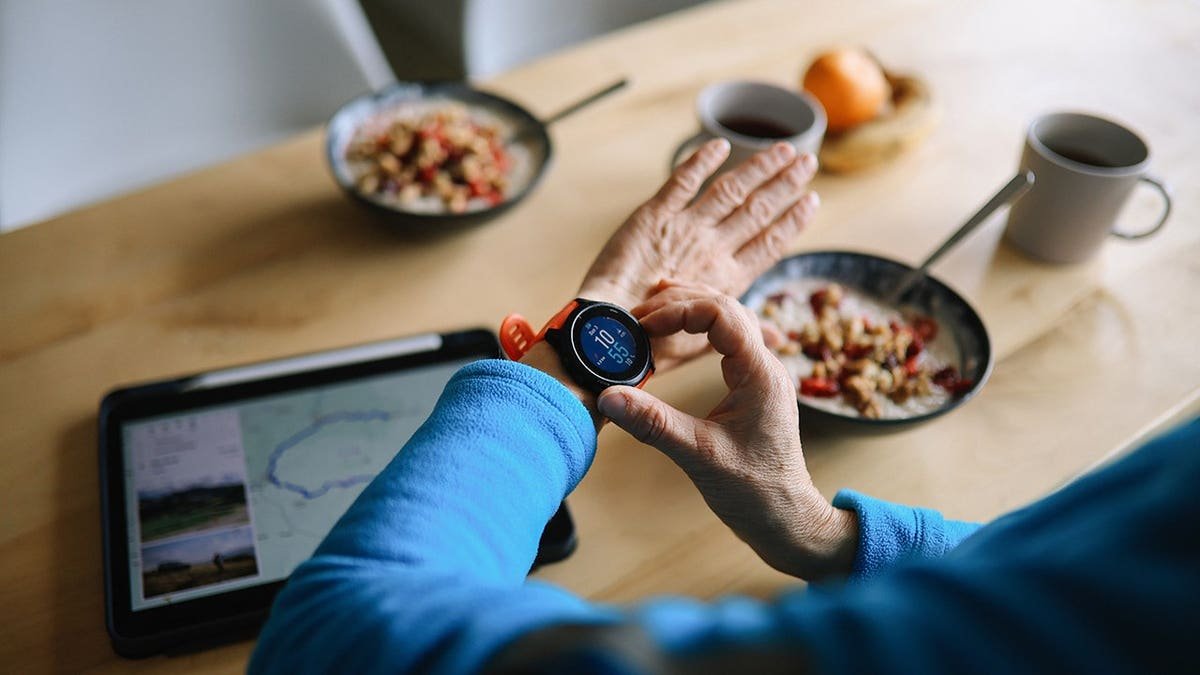
The cardiologist urged users to treat the data as a catalyst for lifestyle changes.(iStock)
However, the doctor highlighted the broader potential of these tools, explaining that “these wearable devices are changing the landscape of cardiology” and that “the future is bright, not just for preventative care … but also screening and detection of actual cardiovascular pathology.”
CLICK HERE TO SIGN UP FOR OUR HEALTH NEWSLETTER
The cardiologist urged users to treat the data as a catalyst for lifestyle changes, noting that he wouldn’t recommend detection tools unless you’re “going to do something about it.”
TEST YOURSELF WITH OUR LATEST LIFESTYLE QUIZ
Regarding the accuracy of the technology, Basman said there is “robust data” to suggest that the numbers are “incredibly accurate” for a lot of the metrics people are viewing, specifically data like resting heart rate and heart rate variability

Wearable health tech like watches and rings can track sleep, heart rate and stress.(iStock)
He also mentioned that some devices can detect serious conditions like atrial fibrillation, which affects millions and can often go undetected during a standard physical exam
For younger individuals, wearables can serve as a “great primary prevention tool,” according to the doctor, given that plaque can begin to develop in the arteries as early as the 20s and 30s
CLICK HERE TO DOWNLOAD THE FOX NEWS APP
For the older population, the devices act more as a “screening tool for actual existing cardiac pathology,” he added
Anyone concerned about wearable health data should consult a doctor for medical guidance
