


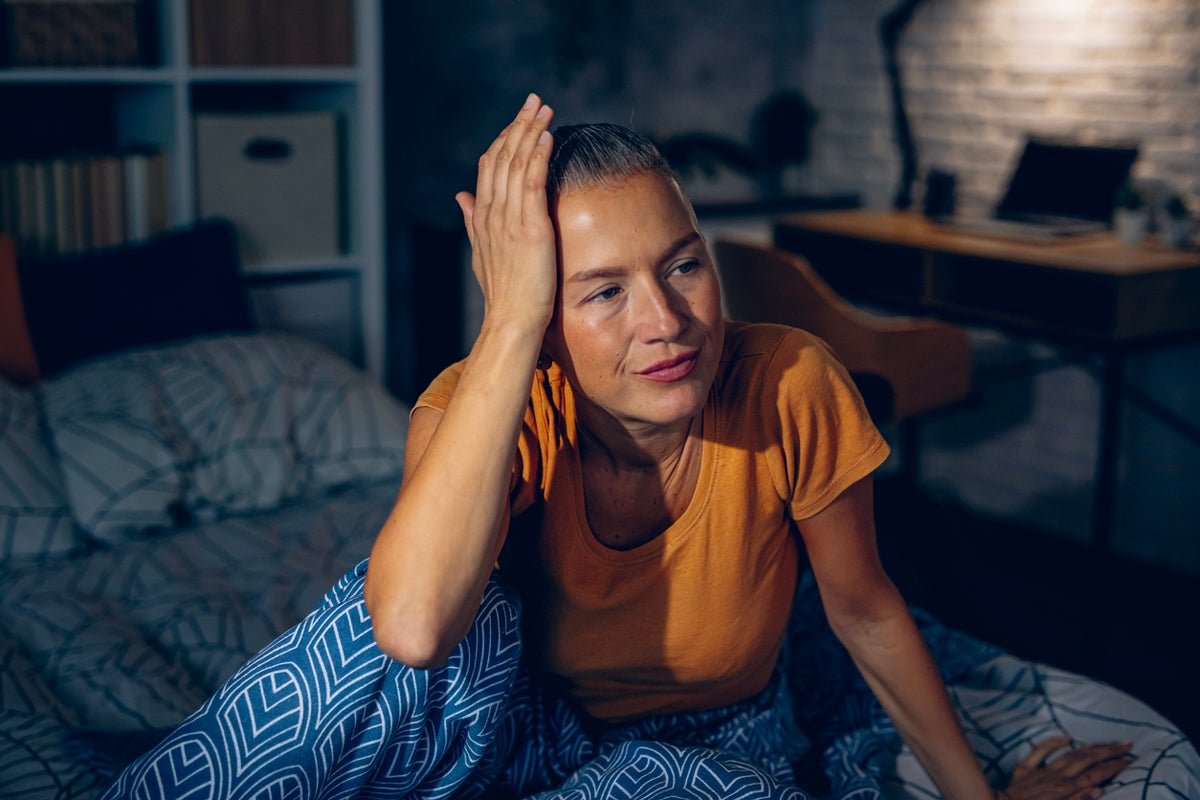
Nearly three-quarters of American adults have difficulty sleeping through the night, according to an expansive new study
Approximately 70 percent of people say their slumber is frequently disrupted by racing thoughts, physical discomfort, noise and temperature, the non-profit National Sleep Foundation, which analyzed 190 million nights of sleep on Tempur-Pedic smart beds in a survey of over 1,000 adults, said Tuesday
Roughly 28 percent say disrupted sleep happens regularly, according to the foundation. On average, people woke up one or two times a night, the study found
But healthy adults need between seven and nine hours a night, according to federal health officials
“Tempur-Pedic’s SleepTracker-AI data confirm what most people already feel: they are not sleeping well, and the effect of poor sleep health can reach every corner of daily life,” the foundation wrote in a release
The study identified several times that were the worst for sleep, including Daylight Saving Time. More than half of adults said that the clock change negatively impacts their sleep, supporting previous research
Sunday was found to be both the best and worst night for sleep, depending on the individual’s sleep habits
“29.5 percent of Americans rank it No. 1 and 27 percent rank it No. 7, making it uniquely polarizing across the week,” the foundation said
Although temperature was listed as a common reason sleep is disturbed, more than 40 percent of adults said there was no meaningful difference in their sleep between the seasons. That was supported by tracking data
“Average sleep duration remained nearly identical across seasons, ranging from 6.78 hours in summer and spring to 6.86 hours in winter,” the foundation said
The majority of people were worried that not getting enough sleep is harming their physical health – and experts say they’re right
Without enough sleep, adults are left at an increased risk for chronic disease, accidents, mood swings and a lack of focus. One third of Americans suffer these effects, according to the National Institutes of Health, and 50-70 million have chronic or ongoing sleep disorders
But understanding what’s waking Americans each night could help to better address these disruptions
That’s where tech comes in, foundation CEO John Lopos said
“It’s critical for more organizations who are supporting the public’s needs through tools and technologies to share and talk about their contribution to the bigger picture. Any alignment between lived experiences and tracker data can give us a far more complete and credible picture of the nation’s sleep health and beyond,” he said
