

Does it suddenly sound like everyone is talking about your gut?
Influencersare pedaling supplements fromfood products to probiotics; others, like the Lucky Gut Collective suggest meals and recipes about an area long considered little more than your body’s plumbing system
Article continues below this ad
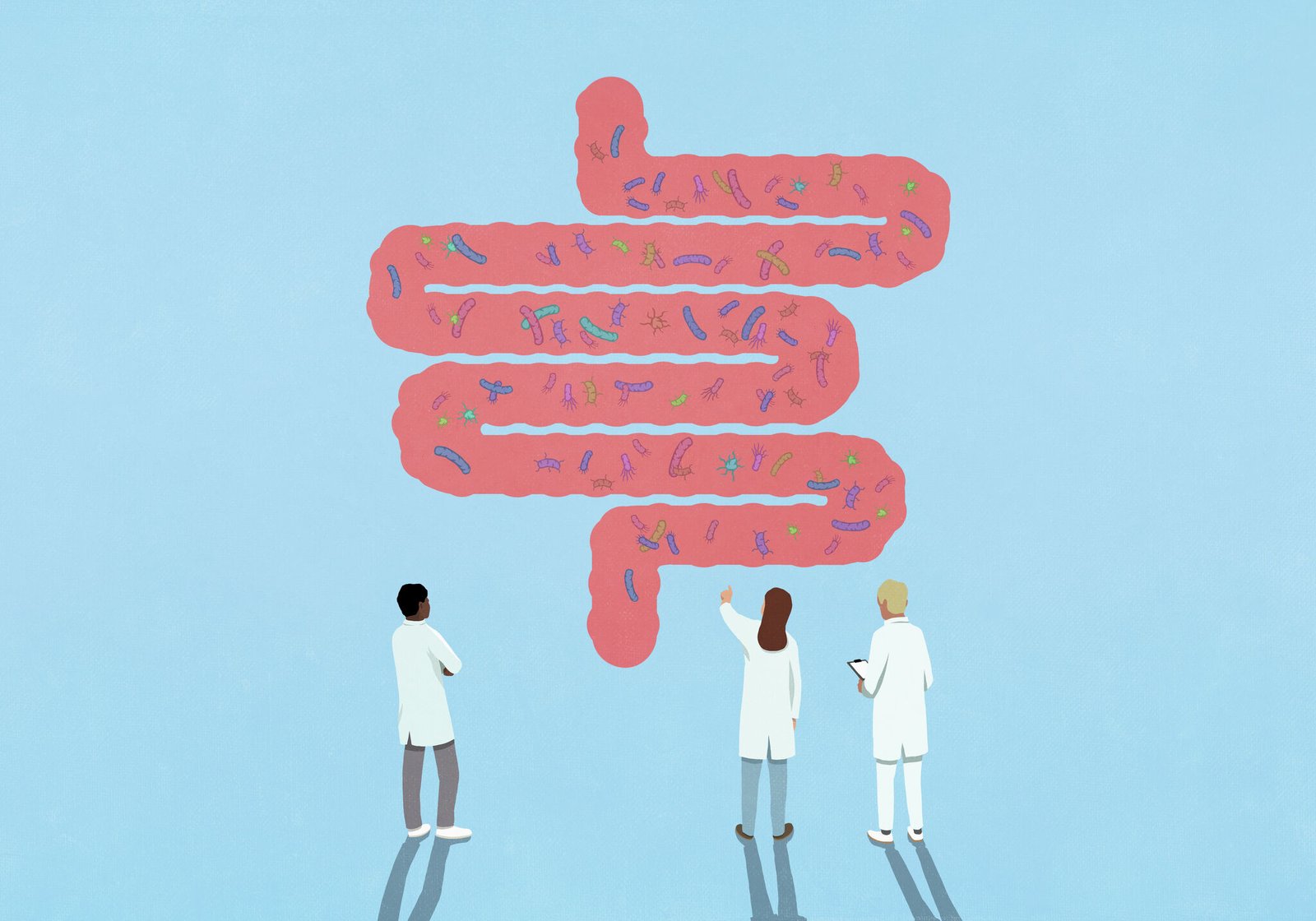
But the gut is a sophisticated community that is home to about 40 trillion microorganisms, performing thousands of chemical functions essential to your health,said Dr. Pikeshkumar Jayantilal Patel a gastroenterologist with Trinity Health of New England. “We used to think about the gastrointestinal tract almost like plumbing, to get rid of waste and processed food,” he said. “Actually, it is more complicated than that,” Patel said.
In the last decade, advances in DNA sequencing have allowed scientists to identify thousands of microbes living in the human intestine and study the chemicals they produce. Those discoveries have transformed doctors’ understanding of gut health and have led researchers like Dr. Xavier Llor, a gastroenterologist at Yale Medicine, to link gut health to longevity and to chronic diseases.
More LifestyleCT doctors explain why gut health matters for longevity
“We used to think about the gastrointestinal tract almost like plumbing, to get rid of waste and processed food…Actually, it is more complicated than that,” Dr. Pikeshkumar Jayantilal Patel…
How a Norwalk men’s group became a lifeline at a senior living community
A group of guys in their 80s started a random friendship group and now go on outings together. A story about the importance of socializing as we age.
Hartford jumps to No. 26 on Orkin’s annual worst bed bug cities list
Chicago remained in the No. 1 spot while Los Angeles, Detroit, Cleveland and Indianapolis rounded out the top five.
CT Culture Corner: Smithsonian Taíno exhibition opens at Connecticut museum
The Mattatuck Museum is showcasing the culture of the Taino people, only a year after the Afro Caribbean Culture Center closed due to federal budget cuts.
Social media becomes an outlet for parents and children facing estrangement
“Estrangement is often not about relief. It is about containment,” said Dr. Sabooh S. Mubbashar, a psychiatrist with Nuvance Health said.
“Research in this area has exploded as we began noticing important differences in the microbiomeaffecting diseases, including heart disease, other inflammatory diseases and some cancers,” he said. “What we’ve seen is that some of those changes in the microbiome occurred in the microbiome before the disease presented (itself),” he said. Whether those changes are a cause of disease or a result of early disease is still being researched, according to Gut Journal.
Article continues below this ad
Make us a Preferred Source on Google to see more of us when you search.
Add Preferred Source
The gut is the home of the microbiome, a community of trillions of microorganisms — bacteria, fungi, parasites and viruses — said Patel. Infants inherit their first gut microbes during deliveryor breastfeeding, explained gastroenterologist Dr. Sarah Olivierof Griffin Health, although other factors are at play. “Where we live and who we live with affects our microbiome,” she said.
That makes an individual’s microbiome “almost as individual as the fingerprint,” said Patel.
The gut is another word for the gastrointestinal (GI) tract, explained Dr. Jennifer Bendl, a family practitioner of Stamford Health
Article continues below this ad
“Gut health is extremely important because we rely on our GI tract to break down carbohydrates, fats and proteins so they can be absorbed and used for energy,” said Bendl. “The GI tract also absorbs vitamins, minerals, water and other nutrients our bodies need to function properly.”
Researchers now realize the gut is a key driver of longevity, according to research from the National Institute on Aging. That research suggests disruptions in the microbiome may contribute to chronic inflammation, which can lead to cardiovascular disease, some cancers, diabetes, irritable bowel syndrome, respiratory diseases, neurological function and even mood disorders, according to a study in the journal Nature. That’s made the term gut health a buzz word recently, said Olivier. “It’s really been an explosion in the last 15 years. The gut microbiome has been increasingly recognized as a very important modulator in immune response, and in the brain, heart and liver.”
That’s because what happens in the gut does not stay in the gut, said Llor. “The gut has a mechanism of exchange between it and the outside world,” he said. The gut and brain communicate constantly through nerves, hormones and immune signals in what’s known as the Gut-Brain Axis, said Llor.
Article continues below this ad
Fiber, which is found in foods like legumes, oats, quinoa, yogurt, fruits and vegetables, is critical to gut health, said Bendl.
That’s because fiber isn’t actually digested.
Gut bacteria eat it.
Gut bacteria ferment fiber into short-chain fatty acids, whichhelp maintain the intestinal lining and regulate inflammation, according to the National Library of Medicine. Fiber helps with regular bowel movements, which is key to maintaining digestive health, said Dr. John Zhang, of UConn Health Waterbury Hospital. “This helps eliminate the pathogens in your gut,” he said. “That’s why we don’t want you taking unnecessary antibiotics, because you can mess up the microbiota in your gut.”
Article continues below this ad
The problem is that 95% of Americans don’t get enough fiber, a critical component in maintaining good gut health, according to a 2025 study by Frontiers in Nutrition. The average American consumes only about half the amount recommended by U.S. dietary guidelines, according to the study. Most adults should aim for 14 grams of fiber for every 1,000 calories in the daily diet, according to Dr. Yanjiao Zhou, associate professor of medicine at UConn Health.
The American diet, high in ultraprocessed foods, with excess salt, sugar and fat, disrupts the natural balance in the gut and promotes inflammation, Llor said.
Article continues below this ad
“As societies have become richer, we eat more and more processed foods that are not healthy on our gut,” he said. “The easiest thing I tell people is that the Mediterranean style diet is better,” said Patel.
“I always tell patients that fiber is like a rake in autumn,” said Bendl. “The wind naturally moves things through your digestive tract, but a rake does a much better job of gathering everything together,” she explained. “Think of the leaves as waste products, undigested food, excess bile acids, and other material that naturally moves through your intestines. The fiber acts like the rake, helping everything move along more efficiently so it can be eliminated in the stool.”
