


Gut health as the foundation of lifetime performance
Modern pig producers continue to face increasing pressure to improve animal efficiency and welfare while reducing reliance on antibiotics and promoting more sustainable production systems. At the centre of these challenges often lies a critical factor: gut health
Dr Hazel RooneyAlltech
Jun 24
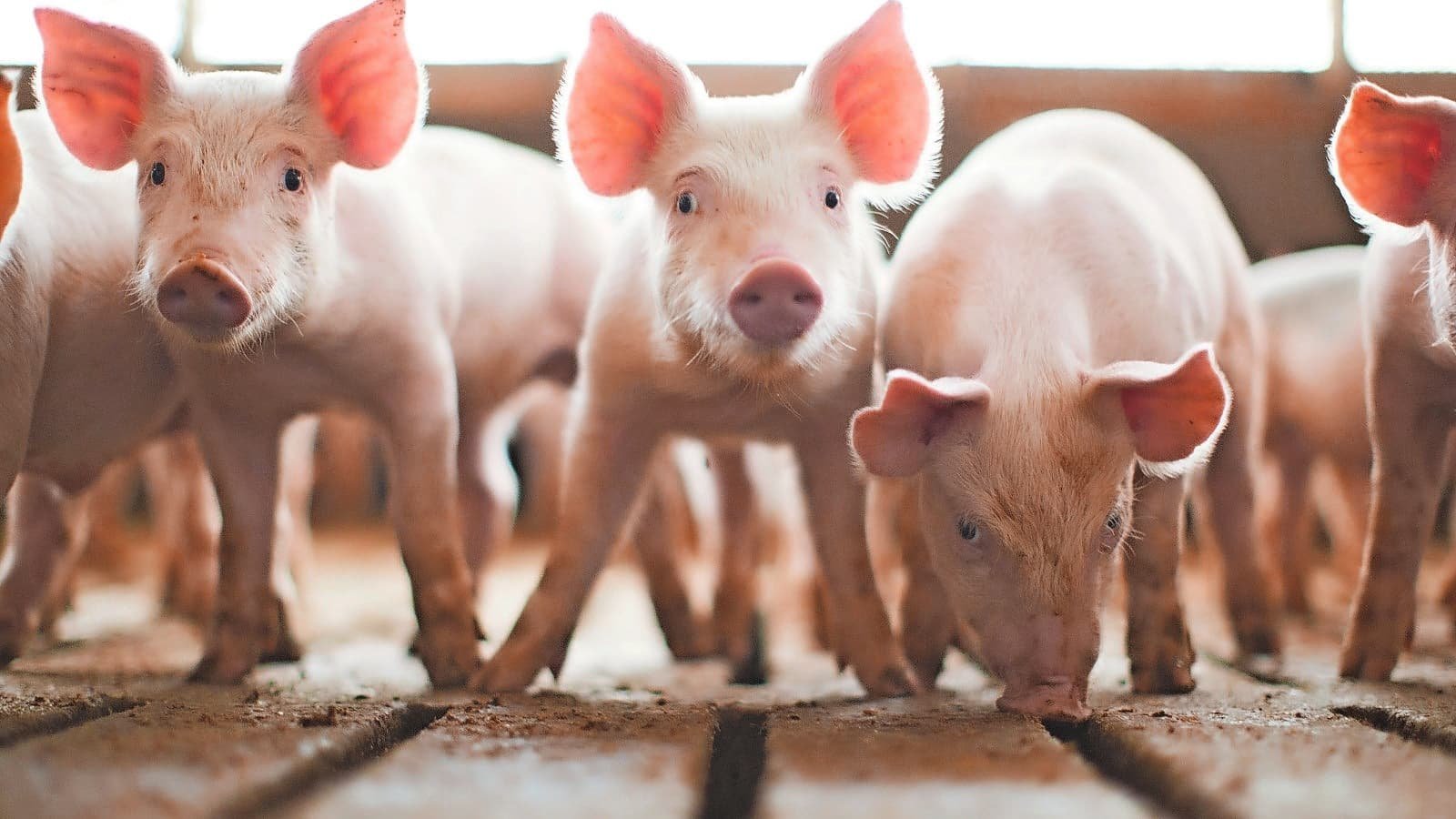
Particularly during early life, the development and protection of the gastrointestinal tract (GIT) in piglets is fundamental to long-term growth performance, feed efficiency and overall robustness. By adopting a young-animal nutritional approach that prioritises optimal gut health before and after weaning, pig producers can significantly improve both the productivity and sustainability outcomes of their units.
The cost of compromised gut health in pigs
Feed accounts for approximately 70% of total production costs in pig farming, making efficient nutrient utilisation a major economic driver. When gut health is compromised, nutrient digestion and absorption decline sharply, leading to poorer growth rates, higher FCRs and higher veterinary costs
However, in pigs, the GIT is not only responsible for nutrient digestion and absorption but also serves as the body’s largest immune organ. As such, disruption of intestinal integrity due to factors such as pathogens (e.g., E. coli, Salmonella), stress (e.g., weaning), or dietary challenges (e.g., mycotoxin contamination) often results in intestinal inflammation and reduced performance
These inefficiencies can quickly translate into measurable economic losses. For example, research evaluating the impact of mycotoxin contamination in nursery pigs has shown decreases in average daily gain of around 81 g/day (range of -7 to -195 g/day), alongside poorer feed efficiency and increased days to market
These challenges, coupled with other industry pressures such as low piglet birth weights, high pre-weaning mortality, and digestive disturbances during the later nursery stage, highlight the need to prioritise good gut health in early life
A young animal feed approach
An effective young animal feeding strategy focuses on supporting intestinal development and the gut microbiome from birth through the nursery phase. This approach combines scientifically proven nutritional interventions and optimal management practices designed to reduce stress, improve nutrient utilisation and stabilise the gut environment
Supporting the sow-piglet connection
Piglet gut health begins with the sow. Maternal nutrition influences colostrum quality, milk composition and the transfer of healthy microbes to piglets, all of which directly impact piglet growth and health in the early stages of development, when the piglet depends entirely on maternal nutrition and immunity due to its immature digestive and immune system. Optimising sow nutrition, therefore, represents the first step in establishing robust gut health in the next generation of pigs.
The use of mannan-rich fraction (MRF) in sow diets is a strong approach. For example, Alltech’s Actigen (MRF) technology, derived from a proprietary Saccharomyces cerevisiae yeast strain extract, has been shown in several commercial and research studies to enhance colostrum and milk quality, as shown by increased IgG levels, protein and fat percentages and total solids. This MRF technology, therefore, supports immune modulation in the sow, resulting in better passive immunity for her piglets.
Furthermore, a newly-published research poster from the Alltech research department offers fresh insight into how maternal supplementation with Alltech’s MRF technology influences the sow gut microbiota. This study showed improved gut microbial diversity, altered bacterial community composition and lower E. coli abundance at farrowing with MRF supplementation. These outcomes were also associated with improved early-life growth in piglets, highlighting the potential benefits of maternal MRF supplementation for offspring health.
A balanced intestinal microbiota is key to maintaining gut health and digestive stability. Disruptions to the microbiome during early life can favour the proliferation of harmful bacteria, increasing the risk of diarrhoea and reduced performance
Here again, mannan-rich fraction (MRF) based technology, such as Alltech’s Actigen, can offer valuable support. Actigen is designed to create a more diverse and stable gut microbiome, thus helping to maintain a balanced and resilient gut environment. This MRF technology also minimises the proliferation of harmful pathogens, such as E. coli and Salmonellaspp., in pig intestinal cells. Such improvements in intestinal health can alleviate the incidence of diarrhoea in nursery pigs (Figure 2,adapted from Zhang et al., 2021, Animal Feed Science and Technology).
Managing feed quality
Feed quality is another important determinant of gut health. Contaminants such as mycotoxins can damage intestinal tissues, impair nutrient absorption and compromise immune function. Even low levels of contamination may reduce feed intake and growth performance. Implementing robust feed management practices, including ingredient monitoring and risk mitigation strategies, helps reduce these challenges and protects intestinal integrity.
It’s important to stress that gut health cannot be addressed through nutrition alone, especially for young piglets, which are particularly sensitive to environmental stressors. As such, effective gut health programmes need to integrate novel feeding strategies alongside strong management practices, including better hygiene, housing conditions, water quality and biosecurity. This systems-based, holistic approach helps to reduce pathogen pressure and support intestinal stability during the early life phases.
Early life represents a critical window for shaping pigs’ long-term health and productivity. By prioritising gut health before and after weaning, producers can improve feed efficiency, enhance growth performance and strengthen overall herd health. Nutritional strategies that support intestinal integrity and microbial balance, including trusted technologies such as Alltech’s MRF-based Actigen, offer valuable tools for maintaining digestive stability during this vulnerable developmental stage. As pig production systems continue to evolve towards greater sustainability and reduced reliance on antibiotics, supporting gut health in young animals will remain a cornerstone of successful, efficient pig production.
References available on request
