

Close Menu
HealthJustFineHealthJustFine

    Subscribe to Updates

    Get the latest creative news from FooBar about art, design and business.

    What's Hot

    Michigan parents urged to reset kids’ sleep schedules before school starts

    August 16, 2026

    The simple daily habit that could help you live longer – and no, it’s not a supplement

    August 16, 2026

    Proteinmaxxing, Sleepmaxxing, Fertilitymaxxing: Benefits and Risks

    August 16, 2026
    Facebook X (Twitter) Instagram
    HealthJustFineHealthJustFine
    Facebook X (Twitter) Instagram
    • Home
    • General Health News
    • Sleep Health
    • Mental Wellness
    • Fitness & Recovery
    • Health Tech & Wearables
    • More
      • Longevity & Anti-Aging
      • Women’s Hormone Health
      • Gut Health & Microbiome
      • Metabolic Health & Blood Sugar
      • Nutrition & Anti-Inflammatory Foods
    HealthJustFineHealthJustFine
    Home»Metabolic Health & Blood Sugar»New health risks of artificial sweeteners identified by study
    Metabolic Health & Blood Sugar

    New health risks of artificial sweeteners identified by study

    HealthJustfine TeamBy HealthJustfine TeamJuly 4, 2026No Comments4 Mins Read
    Facebook Twitter Pinterest LinkedIn Tumblr Reddit WhatsApp Email
    New health risks of artificial sweeteners identified by study
    Share
    Facebook Twitter LinkedIn Pinterest WhatsApp Email

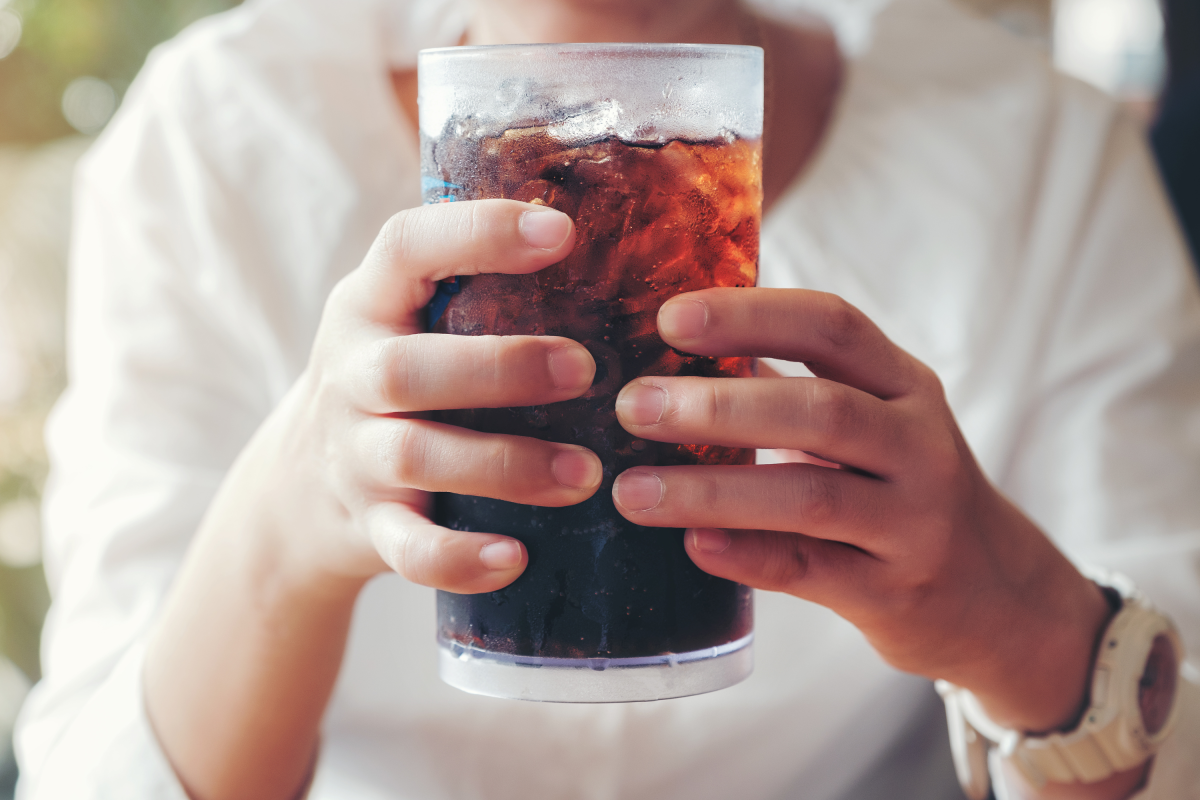
    Artificial sweeteners may be affecting the body in unexpected ways, with new evidence linking them to altered metabolism and gut health

    The study, published in Current Atherosclerosis Reports, examined evidence from both randomized clinical trials and large observational studies to assess how non-nutritive sweeteners—including artificial and other low-calorie sweeteners—affect cardiometabolic health

    Researchers from Tufts University’s Food is Medicine Institute reviewed 21 randomized clinical trials involving adults and conducted a meta-analysis of the findings

    “What makes our analysis notable is that, by focusing on noncaloric comparators, we better isolated the direct physiological effects of the sweeteners themselves, not the calories they replace,” said first author Meng Wang, a research assistant professor at the institute

    …

    When compared with noncaloric controls such as water or placebo, sweetener consumption was associated with higher fasting insulin levels and higher HbA1c, a marker used to measure long-term blood sugar control. The analysis also found a trend toward worsening insulin sensitivity

    The findings challenge the long-held assumption that artificial sweeteners are metabolically inert—meaning they pass through the body without affecting biological processes

    Non-nutritive sweeteners are widely used in products such as diet soft drinks, sugar-free chewing gum, protein bars and other foods marketed as lower-sugar alternatives

    Researchers say there is growing evidence that these compounds may exert direct effects on metabolism

    However, Bryan Quoc Le, a food scientist, food industry consultant and author of 150 Food Science Questions Answered, cautioned that the established benefits of reducing sugar intake should not be overlooked

    “We know that long-term, high consumption of sugars leads to many chronic conditions, and so the benefits of switching out sugar are known and well-established,” he told Newsweek

    Le explained that artificial sweeteners are a broad category that includes both synthetic products and naturally derived alternatives such as ste

    Many of the studies highlighted in the review focus primarily on synthetic high-intensity sweeteners such as aspartame, saccharin and acesulfame potassium, Le said, adding that more research is needed to understand how different sweeteners affect the body at the doses typically consumed by the general population

    Le also pointed to growing interest in newer protein-based sweeteners being developed by the food industry, which work differently from traditional artificial sweeteners and may not produce the same biological effects

    One possible explanation involves the gut microbiome, the vast community of microbes that lives in the digestive tract and plays an important role in digestion, immunity and metabolic health

    Artificial and low-calorie sweeteners typically pass through the gut, where they come into direct contact with these microorganisms

    According to the review, evidence from one of the studies examined showed that certain low-calorie sweeteners altered both the composition and function of gut bacteria

    Researchers used detailed microbiome profiling and experiments involving the transfer of microbes from humans to mice to help identify these changes

    Whether these microbiome changes ultimately translate into meaningful long-term health consequences remains unclear, Le said

    “This is still a matter of debate, especially factoring in the complexity of the gut microbiome, variations between individuals, and different types of non-nutritive sweeteners at various concentrations over time,” he added

    Le said that scientists are still working to understand how different sweeteners—including naturally ence the gut microbiome in different ways

    The authors also reviewed observational studies tracking health outcomes in large populations

    These generally found links between consuming non-nutritive sweeteners and a higher risk of developing cardiometabolic diseases

    However, the researchers cautioned that such studies cannot prove cause and effect because people already at greater risk of these conditions may be more likely to choose low-calorie sweeteners

    Another challenge is that sweeteners are often studied as a single group, despite important differences between individual products

    The researchers noted that distinct sweeteners may have different biological effects, meaning some could be more problematic than others

    Experts say this distinction is important because the category includes both synthetic and naturally derived sweeteners, which may not affect the body in the same way

    Wang, M., Wu, O.Y., Wallen, O. et al. Artificial and Other Non-Nutritive Sweeteners, the Microbiome, and Cardiometabolic Health. Curr Atheroscler Rep 28, 65 (2026). https://doi.org/10.1007/s11883-026-01429-9

    artificial Health identified risks sweeteners
    HealthJustfine Team
    • Website
    • Facebook

    Related Posts

    Proteinmaxxing, Sleepmaxxing, Fertilitymaxxing: Benefits and Risks

    August 16, 2026

    Mental Health Month: DOH supporting mental wellness from keiki to kūpuna | Maui Now

    August 15, 2026

    SELF:ME Exhibition Exposes Mental Health Toll of Hong Kong’s Photo-Editing Culture | LBBOnline

    August 14, 2026
    Leave A Reply Cancel Reply

    Don't Miss
    Sleep Health

    Michigan parents urged to reset kids’ sleep schedules before school starts

    By HealthJustfine TeamAugust 16, 20260

    OKEMOS, Mich. (News 10) – As the school year approaches, Michigan parents are working to get their children back into school-year routines, including consistent sleep schedules

    The simple daily habit that could help you live longer – and no, it’s not a supplement

    August 16, 2026

    Proteinmaxxing, Sleepmaxxing, Fertilitymaxxing: Benefits and Risks

    August 16, 2026

    Central Florida student-athletes prioritize mental wellness after tragic losses

    August 16, 2026
    Stay In Touch
    • Facebook
    • Twitter
    • Pinterest
    • Instagram
    • YouTube
    • Vimeo
    Our Picks

    Expert shares 6 tips to recover faster and stronger after intense workout sessions- Moneycontrol.com

    June 28, 2026

    These Viral Fitness & Wellness Recovery Products Are Taking Over TikTok Ahead of Prime Day

    June 28, 2026

    Life Time Has Created a Fitness and Recovery Paradise – Muscle & Fitness

    June 28, 2026

    The Movement Twenty Four: New 24-Hour Fitness and Recovery Hub Opens Down South

    June 28, 2026

    Subscribe to Updates

    Get the latest creative news from SmartMag about art & design.

    About Us

    Welcome to HealthJustFine.com, your trusted destination for reliable health news, wellness insights, and evidence-based information that empowers you to live a healthier life.
    Our mission is to make quality health information accessible, easy to understand, and relevant for everyone. We believe that staying informed is the first step toward making better decisions about your health, nutrition, fitness, and overall well-being. That’s why we deliver timely updates on the latest medical research, healthy living trends, preventive care, and wellness innovations from around the world.

    Our Picks

    Michigan parents urged to reset kids’ sleep schedules before school starts

    August 16, 2026

    The simple daily habit that could help you live longer – and no, it’s not a supplement

    August 16, 2026

    Proteinmaxxing, Sleepmaxxing, Fertilitymaxxing: Benefits and Risks

    August 16, 2026
    Latest Posts

    Expert shares 6 tips to recover faster and stronger after intense workout sessions- Moneycontrol.com

    June 28, 2026

    These Viral Fitness & Wellness Recovery Products Are Taking Over TikTok Ahead of Prime Day

    June 28, 2026

    Life Time Has Created a Fitness and Recovery Paradise – Muscle & Fitness

    June 28, 2026
    Facebook X (Twitter) Instagram Pinterest
    • About Us
    • Contact Us
    • Terms & Conditions
    • Privacy Policy
    • Disclaimer

    © 2026 healthjustfine.com. All rights reserved. Designed by DD.

    Type above and press Enter to search. Press Esc to cancel.