


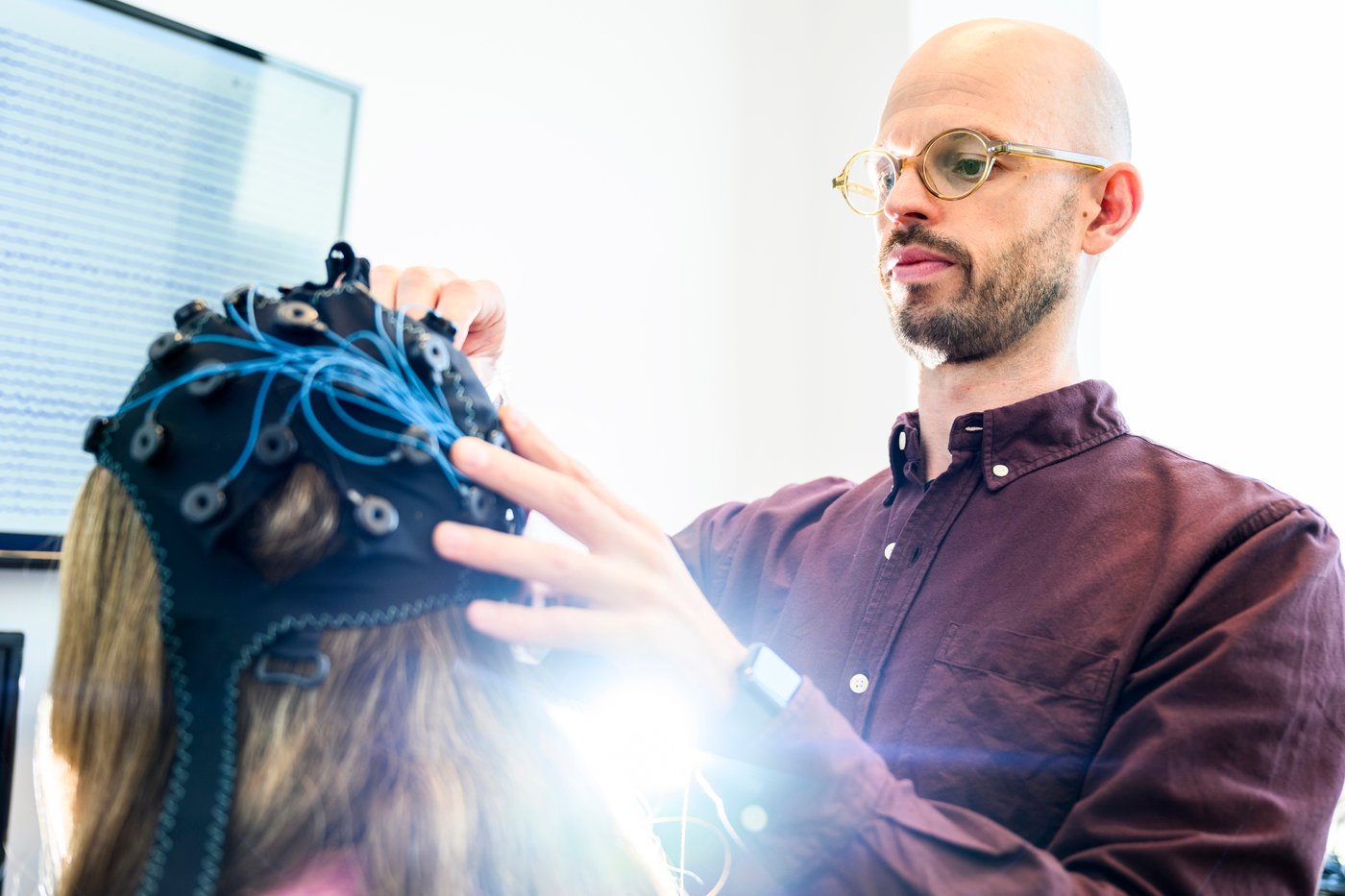
A harsh tackle. A fall. A fender-bender. An abusive relationship. Different scenarios can lead to the same diagnosis of a traumatic brain injury, or TBI. A hit to the head, or even a penetrating wound, can rattle a person’s brain and cause damage to the tissue and blood vessels with lasting effects.
A TBI can lead to a range of physical, cognitive or emotional issues. The diagnosis can also mean a greater risk of seizure, cardiovascular disease, neurodegenerative disorders and affective disorders
Without an active lifestyle, these effects can worsen for a person with a TBI
To help counteract the impact of sedentariness, Northeastern University researchers conducted a pilot study that suggests certain incentives that could motivate people with a TBI to exercise
Physical inactivity isn’t healthy for anyone. But a person with a TBI may not realize they were sitting on the couch for hours or might not be able to reason through the benefits of exercise
“This is particularly difficult if you’ve got cognitive fatigue or executive dysfunction following a brain injury,” said Timothy Morris, an assistant professor in Northeastern’s Department of Physical Therapy, Movement and Rehabilitation Sciences. He was also the lead researcher on the study
A TBI can lead to short-term memory issues, trouble processing emotions, headaches, anxiety, nausea or difficulty sleeping The treatment depends on the severity of the injury. It can be simple like rest and over-the-counter pain relievers, or involve greater medical interventions like relieving pressure in the skull, prescribing antidepressants or physical therapy
The team of researchers studied whether a collection of prompts could encourage people with a TBI to be more active. The study, submitted for peer review this month, focused on 56 people ages 40 to 80 from across the continental U.S. who were diagnosed with mild or moderate TBI
A person with a mild TBI was unconscious for less than 30 minutes at the time of the injury and had memory problems for less than a day following their injury, whereas someone with a moderate TBI had could have been unconscious for up to 24 hours and had trouble recollecting things for between one and seven days after the injury.
The causes of the participants’ TBIs were not revealed in the study. Each participant was tasked with walking five times a week for at least 30 minutes, and were given a FitBit to wear to track their walks.
The intervention group was offered three prompts to walk: weekly calls to schedule the walks, text or email reminders on the day of the walk and monetary incentives once the walk was completed. Each participant was awarded 500 points for finishing a walk, with 1,000 points equaling $1 to be paid at the end of the study.
In contrast, those in the control group were only called once a week with health tips, like sharing the benefits of physical activity. There was no money in it for those in this group
But research shows that advice alone is “simply not enough to get (people) active,” Morris said
For example, the prompts had an immediate effect on the number of steps taken by the intervention group, which walked an average of 4,779 more steps than the control group in the first week. With every passing week, the intervention group walked an average of 7.5 minutes more than the control group. Further, the intervention group finished 5.8 times as many walks as the control group in the first week, and 14.5 times as many walks in the 12th week.
Charles Hillman, the inaugural Manganaro Distinguished Professor and director of Northeastern’s Institute for Cognitive and Brain Health, said the research is “both timely and important to our understanding of physical activity behaviors in individuals recovering from a mild traumatic brain injury.”
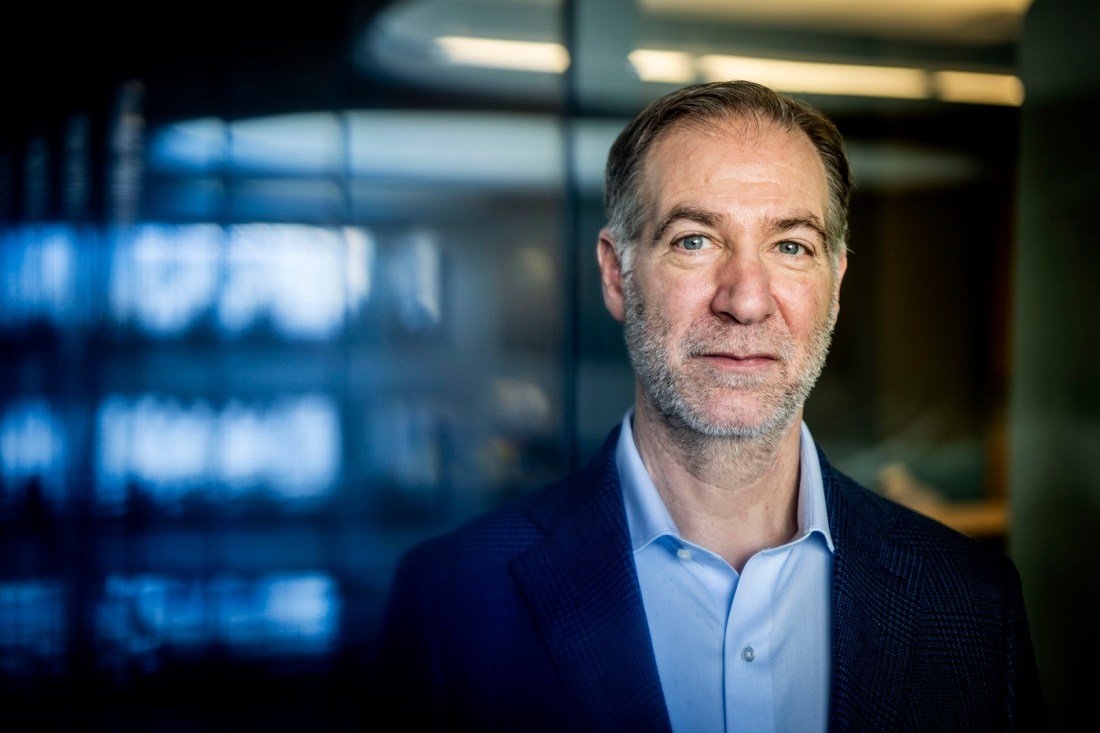
“It wasn’t too long ago that individuals with head injury were told not to exercise for fear of exacerbating symptoms,” he said. “This particular study is a first step toward demonstrating that it is possible to engage individuals following brain injury in walking interventions, which stands to benefit their overall health and effective functioning during recovery.”
While Morris said the study should be expanded to include more people over a longer period of time, the results suggest that such incentives can be used when a person with a TBI returns home after treatment.
“If we don’t do anything in that period of time, once they’ve been reintegrated, they get this circular dependency on the healthcare system,” Morris said, referring to the cycle of continuously needing medical care if no interventions are put into place to keep a person healthy following the initial treatment
Community-based programs focused on people diagnosed with TBI do exist. For example, Supportive Living Inc. in Lexington, Mass., offers brain injury programs to keep people engaged and active
Lindsay Weir, director of Neuro-Wellness and Education at Supportive Living, said finding effective ways that get people with a TBI to exercise consistently is a major challenge
“As someone who works daily with individuals living with traumatic brain injuries, I see firsthand how important regular physical activity is for maintaining physical health, cognitive function, confidence and overall quality of life,” she said. “Supporting lifelong participation in physical activity can play an important role in promoting independence, wellness, and meaningful community engagement after injury.”
But programs like Supportive Living’s don’t exist everywhere. And even if they do, it would require that person with a TBI to actively make the decision to participate, Morris noted
Another next step is studying whether one incentive is more effective for one person over another
The goal is to prescribe this “lifestyle medicine” to reduce patients’ reliance on the healthcare system in a sustainable way
“You don’t have to take a pill for the rest of your life, but you could walk every day for the rest of your life,” Morris said
