


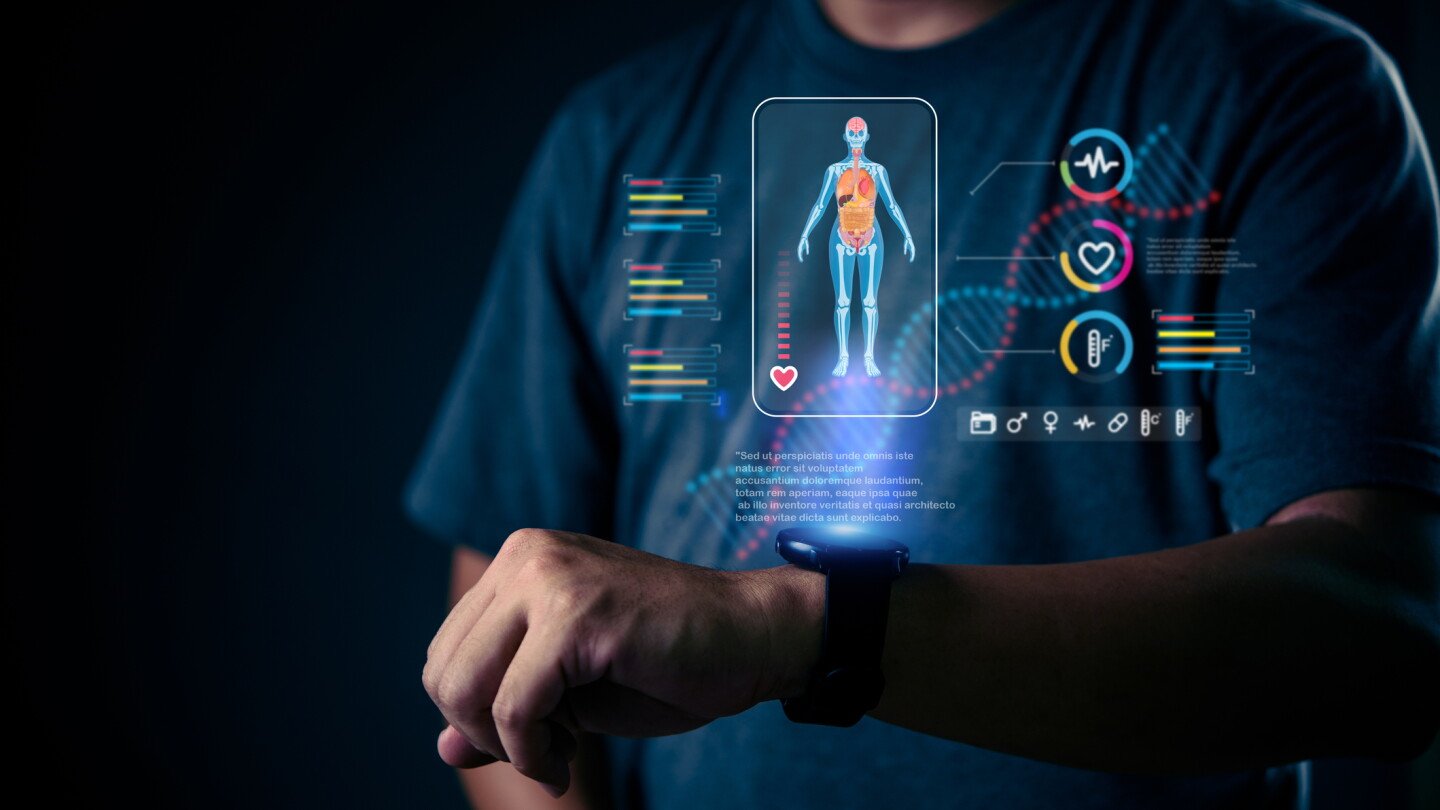
As technology evolves, so too must the practices and policies that govern its use. In recent decades, the fire service has adopted tools like location tracking at incident scenes, remote SCBA monitoring, and live-streaming from thermal imagers. These advancements have expanded our operational capabilities and given incident commanders (ICs) a more comprehensive view of unfolding events
Now, we’re entering the era of wearable technology. Smartwatches, rings and fitness monitors are increasingly common, and products are available today that enable fire service leaders to monitor health data in real time. But with these new tools come important questions, particularly around privacy, policies and firefighter autonomy
Divergent views in the fire service
A recent study from the Johns Hopkins Bloomberg School of Public Health gathered insights from 65 fire service stakeholders across Maryland and Virginia. It revealed a notable divide between frontline firefighters and department leaders regarding wearable technology and real-time data collection
While leaders generally supported the operational use of wearable tech, frontline personnel were more cautious, supporting its use in training and non-operational settings but expressing concern about its application during live incidents
The promise and peril of real-time data
The potential benefits are easy to envision. Real-time monitoring of heart rate, blood pressure and ambient hazards (e.g., heat) could give ICs early warnings of overexertion or medical distress, allowing intervention before a firefighter becomes critically ill or injured. However, the real-time nature of this data also introduces operational and ethical dilemmas
Consider the following scenario: A truck company is conducting a search during a structure fire. One firefighter’s biometric data — captured by wearable tech — triggers an alert for an unsafe heart rate. The IC is faced with three options:
- Order the company to exit the structure immediately, possibly abandoning a viable rescue and later discovering a victim deceased;
- Allow the company to continue, risking the health and safety of the member whose vitals have spiked; or
- Let the crew complete the search, then send the affected firefighter to rehab, where further assessment determines whether they can continue operating.
Each of these decisions carries potential liability. If a rescue is missed due to a conservative interpretation of the data, the department may face scrutiny. If the IC overlooks a health alert and the member suffers a medical emergency, the consequences could be severe
Privacy risks and cultural considerations
Beyond operational impacts, real-time health monitoring raises serious privacy concerns. If a member is pulled from a fireground due to health data, it becomes difficult to protect that individual’s privacy — at minimum, their company will be aware of a possible issue
Firefighters with known or suspected health conditions may become defensive about biometric monitoring. Take, for example, a firefighter being treated for hypertension. That individual may dread annual physicals or avoid rehab during incidents or training to prevent their condition from being discovered. Ironically, this is where wearable tech could help — by providing early detection without requiring the firefighter to self-report or seek treatment. On the other hand, however, the collection of this data may lead to a negative employment outcome for the firefighter if the agency does not have a policy that restricts its use.
Valuable applications in training and research
Wearable tech may be best suited for controlled environments. During training evolutions, it can identify health issues before they escalate, allowing timely intervention. It may also be useful in identifying a health risk in a lower-risk setting than the fireground. In research contexts, agencies like NIST, UL and NIOSH could use wearable data during burns to track physiological responses in a safer, more consistent manner across larger sample sizes.
Labor considerations: A double-edged sword
From a labor perspective, wearable technology presents both opportunity and risk. The IAFF has long championed firefighter health and safety, and this technology could support that mission. Yet, the same data could potentially be used against members, whether for disciplinary actions or employment decisions
This tension mirrors past controversies, such as those surrounding GPS tracking of police officers. While GPS improved response and safety, its potential for punitive use led some states to require collective bargaining before implementation. Health data could follow the same trajectory
Operational burdens and the role of the IC
Another practical concern is who will monitor the incoming data. ICs are already managing multiple priorities, and adding real-time health data may require a dedicated individual at the command post. This cannot be the safety officer, who must remain mobile and responsive on scene. Assigning someone to monitor health data adds staffing needs and must be accounted for in policy
Policy: The crucial safety net
These complexities point to one clear necessity: sound, well-developed policy
A comprehensive wellness policy is a great place to start. It should address firefighter health and wellness from several angles to help reduce illness and injury risks. The value of a wellness policy cannot be underrated, and its scope can include things like behavioral health support, physical fitness information, and medical exams. Additionally, the use of wearable tech can be addressed and specific guidelines laid out to help ensure the devices are used properly and data is handled appropriately.
Where applicable, department leaders and union representatives should work together to walk the tightrope between innovation and protection. Even if health data is not considered a mandatory subject of negotiation in your state, involving your union leaders can help improve acceptance of the technology and reduce the legal liability risk. The union leadership in your department may bring a perspective that you are unaware of and that can be valuable when introducing a new program.
Policies should clearly define:
- What data is collected and why
- How it will be used
- Whether health data alone can prompt further medical evaluations
- How personal health information (PHI) will be secured and stored
- Restrictions on employment decisions based on this data
Recommendations for implementation
Here are several guiding principles for departments considering wearable tech:
- Voluntary participation: Mandating participation in a program that exposes health data may face legal and cultural resistance. Voluntary programs are more likely to gain trust and engagement but should still be reviewed by your agency’s legal counsel.
- Limited use: Begin with controlled environments, like training and research settings. Be transparent about the purpose and scope of the program.
- Data ownership and privacy: Participants should retain ownership of their data. After all, it is their health information. In addition, ensure strict adherence to PHI protections and records management policies, including OSHA’s requirement to retain medical records for the duration of employment plus 30 years.
- Clear communication: Firefighters should understand their rights, how their data will be used, and the limits of the program. Transparency is critical when building confidence.
Final thoughts
Wearable tech offers meaningful opportunities to enhance firefighter safety, but must be implemented thoughtfully, with strong policies and protections in place. Taking the time and the care to involve stakeholders in policy development can make implementing these devices easier. Fire service leaders have a chance to improve health and safety for firefighters but must do so ethically and legally
| WATCH:How emerging technologies are shaping the future of the fire service
Fitness & HealthHealth & WellnessResearch into Firefighter Behavior & BeliefsSafetyTechnology
