


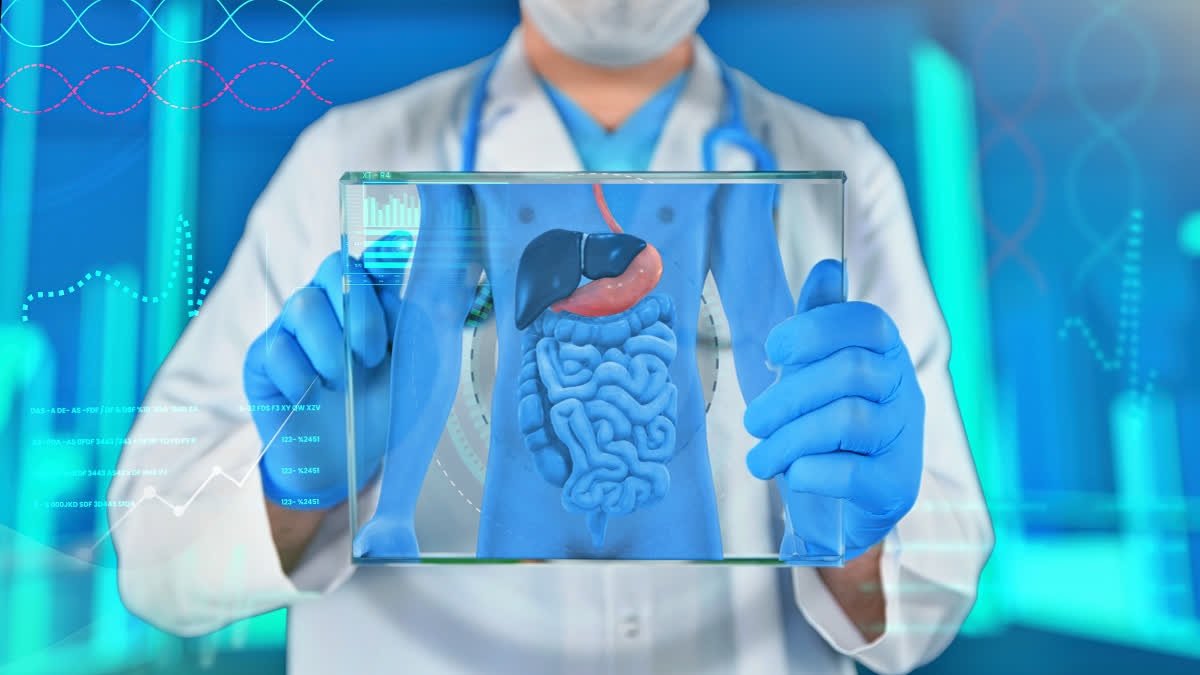
ETV Bharat / health
Beyond Digestion: The Hidden Power Of The Gut In Ageing, Immunity And Cancer Care
Could targeting the gut microbiome become a new cancer treatment, particularly alongside immunotherapy, and help personalise cancer care? Two experts respond
The gut lining acts as a protective barrier (Getty Images)
ByAnubha Jain
Published :September 12, 2026 at 9:58 AM IST
The gut does much more than digest food. It plays an important role in immunity, metabolism and overall health. As science unravels the complex world of the gut microbiome, its growing links to ageing, inflammation and cancer treatment are raising new questions about personalised healthcare. Yet, much of this emerging science is still evolving
For a 48-year-old breast cancer survivor from Mumbai, food became a very different experience during chemotherapy. Her appetite changed, and she struggled with digestion, including bloating and an upset stomach. Even familiar foods became unappealing. She began eating smaller, simpler meals. She also included curd and other probiotic foods in her diet
“I cannot say these changes had any role in treating my cancer, but I felt better when my digestion was under control,” said the cancer survivor. “The experience made me realise how closely gut health and overall wellbeing are connected, especially when the body is under the stress of cancer treatment. Today, I pay far more attention to my diet and gut health than I did before my cancer journey.”
How Does The Gut Change As We Age?
“As we get older, the variety of bacteria in our gut often decreases. We may lose some ‘good’ bacteria that turn fibre into butyrate, which helps keep the lining of the colon healthy. Less butyrate can weaken this protective barrier. But healthy ageing does not mean having the same gut bacteria as everyone else. A large study of people aged 18-101 found that those who aged well developed increasingly unique gut microbiomes, especially from their 40s and 50s. The goal is not to have the gut of a 25-year-old, but to keep your gut healthy and functioning well,” explained Dr. Prasun Chatterjee, Geriatric Medicine & Longevity Medicine Expert at Indraprastha Apollo Hospital.
A weaker gut barrier can allow bacterial substances to enter the bloodstream and trigger low-level, long-term inflammation, known as “inflammaging.” This may contribute to frailty, muscle loss, heart disease and weaker vaccine responses. He said the encouraging part is that some changes attributed to ageing are actually linked to diet, fewer teeth, less physical activity and multiple medications. Many of these factors can be improved.
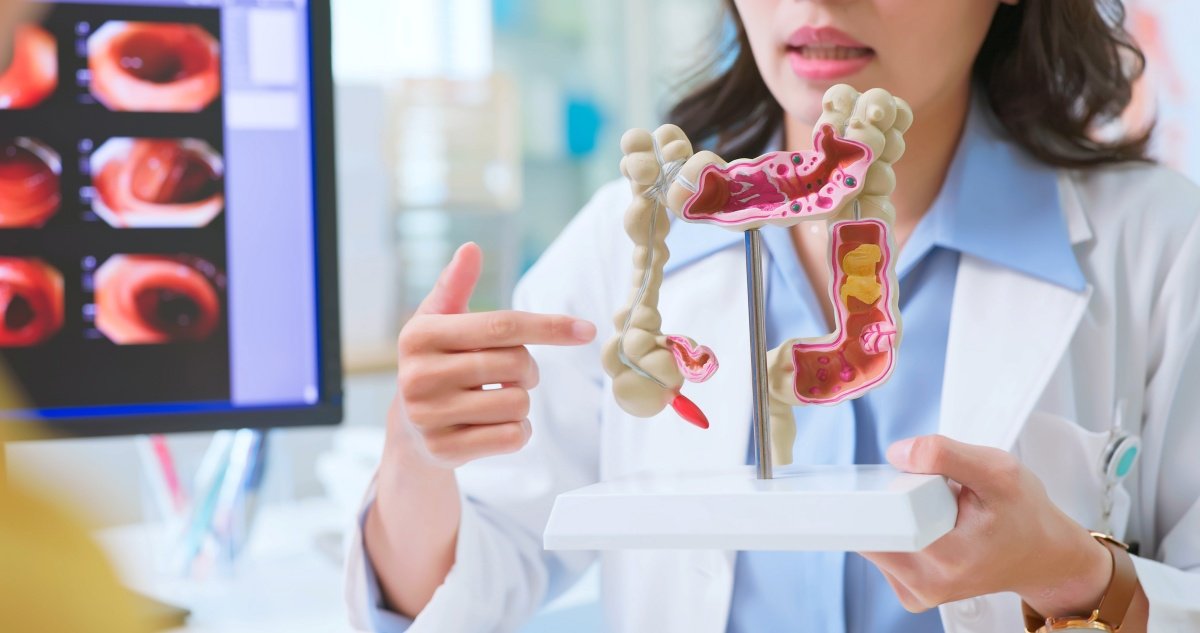
An unhealthy gut is a factor in chronic inflammation (Getty Images)
The Gut-Immunity Connection
Said Dr. Chatterjee, “The gut and immune system are closely connected. The gut lining acts as a protective barrier, where a thin layer of cells holds back a couple of kilograms of bacteria, while immune cells just beneath it help monitor what is happening inside.”
An unhealthy gut can contribute to chronic, low-level inflammation. When fibre-digesting bacteria decline, less butyrate is produced, potentially weakening the gut barrier and allowing bacterial fragments to enter the bloodstream and mildly activate the immune system. Over time, this inflammation may be linked to heart disease, diabetes, fatty liver and muscle weakness. The process is usually silent, so you may not notice any symptoms. There is also no single test that can confirm it. A lab result only becomes meaningful when doctors consider it along with other tests, symptoms and the overall health picture.
Added Dr. Harit K. Chaturvedi, CEO & Clinical Head, Apollo Oncology Network, “Studies show a close link between the gut microbiome and the immune system, with gut bacteria influencing immune responses throughout the body. The microbiome can therefore affect how effectively the body fights tumours and how well a patient responds to modern immunotherapies.”
He noted that a large proportion of the body’s antibody-producing immune cells are located in the gut. However, the microbiome does not travel to tumours in organs such as the kidney or lungs. Instead, the bacteria release chemical messengers called metabolites into the bloodstream, which can influence immune activity throughout the body
When Cancer Escapes Immune Surveillance
On how the immune system normally controls abnormal or cancerous cells, Dr. Chaturvedi said the body continuously monitors and identifies abnormal cells through a process called immune surveillance. However, as cancer progresses, cancer cells can evade this surveillance and escape the immune system. This stage, known as cancer immunoediting or “escape”, allows the cancer to grow unchecked and eventually develop into clinically detectable disease.

The gut microbiome could add another helpful layer to cancer treatment (Getty Images)
Could targeting the gut microbiome become a new cancer treatment, particularly alongside immunotherapy, and help personalise cancer care? Several studies show that the gut microbiome can influence how patients respond to certain cancer treatments, affecting not just digestion but also immunity, inflammation and metabolism
The strongest evidence so far comes from immunotherapy. The composition of gut bacteria may influence how well some patients respond, with patients who benefit more from immune checkpoint inhibitors often showing greater microbial diversity and higher levels of beneficial bacteria like Akkermansia, Bifidobacteriumand the Ruminococcaceaefamily. However, these findings vary across cancers and treatments, and no single microbiome pattern can predict treatment response in every patient.
He further noted that the gut microbiome could add another layer to cancer treatment by creating a biological environment that may help therapies such as CAR T-cell therapy work better. Trials are now exploring whether modifying the microbiome can improve treatment outcomes, with some encouraging results. However, this remains an emerging area that requires clinical trials and is not yet an established cancer treatment. There is no single “ideal” microbiome, as its impact varies by patient, cancer type and treatment.
There is currently no evidence that any specific probiotic, detox programme or supplement can cure cancer. Dr Chaturvedi stressed that while selected probiotic formulations may help manage side effects such as diarrhoea in some patients, their effects vary depending on the organisms, ingredients and doses. Patients undergoing cancer treatment should therefore not take probiotics without consulting their clinician.
Dr. Chatterjee revealed that early trials using faecal-transplant capsules alongside cancer treatment have shown encouraging results for kidney, lung, and skin cancer (melanoma), but these studies are still small trials (~40 patients) – and the approach is not yet standard treatment. One concern, however, is that antibiotic use around the start of immunotherapy has been linked to poorer survival outcomes. Patients should therefore tell their doctor about all antibiotics, probiotics and supplements they are taking, he added.
Dr. Chaturvedi added that another limitation is that there are no standardised microbiome-based interventions yet. While research is growing, larger clinical trials are needed to determine which patients are most likely to benefit from such interventions
Everyday Habits That Affect Gut Health
Dr. Chatterjee shared the everyday habits that affect gut health and immunity
1) Diet:This is one of the biggest factors. Eating a variety of plant-based foods and a fibre-rich diet is important because different fibres support different gut bacteria. Fermented foods such as dahi, buttermilk, idli and dosa batter, dhokla, kanji and traditional pickles can also support gut health
2) Antibiotics:These can significantly disrupt the gut microbiome. Recovery may take months, and some bacteria may not return. Antibiotics should therefore be used only when medically necessary and not for viral infections such as most cases of viral fever
3) Everyday medicines:Some commonly used medicines, particularly acid-reducing drugs, can affect the gut microbiome. People should therefore not start or stop any medication without consulting their doctor
He advised patients to focus on proven fundamentals: a balanced diet, regular exercise and 7-8 hours of quality sleep each night. The biggest challenge is often not knowing what to do, but sticking with it. Regular follow-up and support can make a difference
Can A Healthy Gut Prevent Cancer?
Dr. Chatterjee emphasised that the evidence is still limited, although there are some important exceptions. Treating H. pylori infection can reduce the risk of stomach cancer, while treating hepatitis B or C and controlling long-term bowel inflammation can lower cancer risk. For otherwise healthy people, however, there is no strong evidence yet that probiotics or improving a “microbiome score” can prevent cancer. The microbiome is also influenced by diet, geography, antibiotics and lifestyle.
At this stage, the evidence supports focusing on the established benefits of good gut health rather than viewing the microbiome as a cancer-prevention tool. For cancer prevention, the basics remain most important: regular screening, treating H. pylori and hepatitis when present, and detecting and treating problems early. A healthy gut should be viewed as part of overall health, not as a shield against cancer.
