


The Tech Buzz may earn a commission when you buy through links on this page. This never affects which products we recommend or what we say about them
Apple just dropped the Watch Series 12, and while it looks identical to previous generations, the real revolution is happening under the hood. The company is finally catching up to the AI health boom that’s been reshaping wearables, while simultaneously pushing the boundaries of what smartwatches can do with continuous monitoring and intelligent insights
Apple just made its biggest smartwatch bet yet, and you’d never know it from looking at the thing. The Watch Series 12 sports the same familiar design, button layout, and sensor array that’s defined Apple’s wearable strategy for years. But beneath that unchanged exterior lies a fundamental shift in how Apple thinks about health monitoring and AI integration
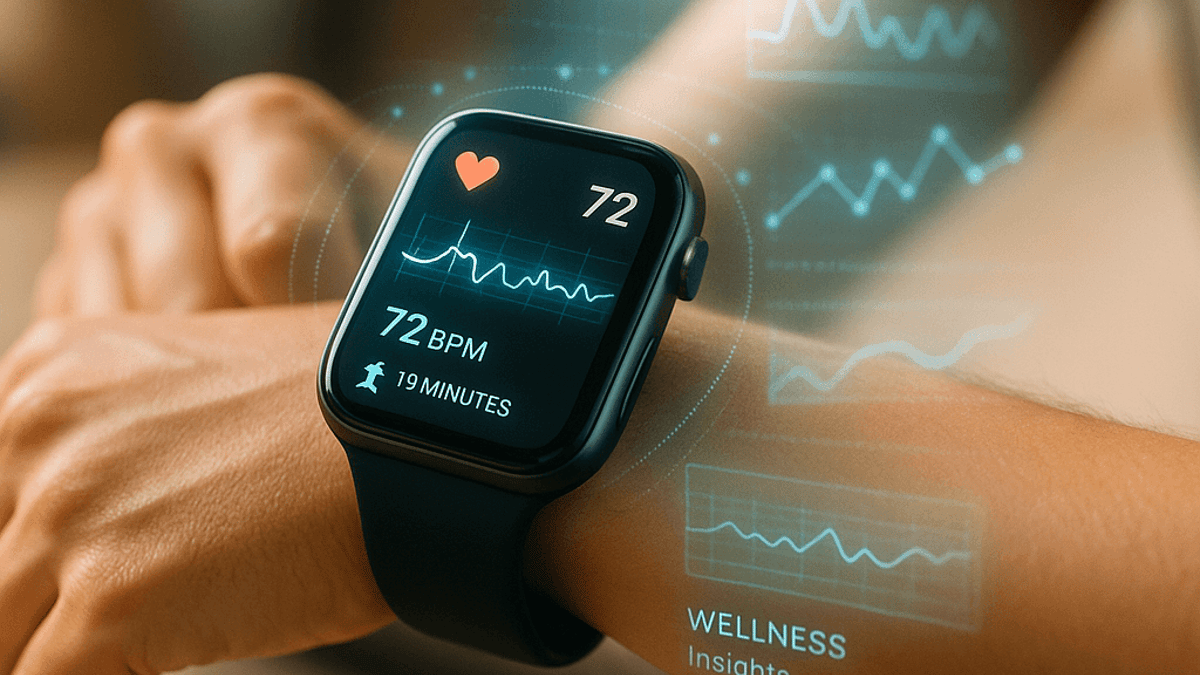
The breakthrough centers on truly continuous heart rate monitoring – something competitors like Samsung and Garmin have been pushing for months. According to The Verge’s hands-on review, this isn’t just marketing speak. The Series 12 can now track your heart rate seamlessly throughout the day without the battery-killing compromises that plagued earlier attempts
This technical achievement matters because it unlocks what Apple calls “contextual health intelligence.” Instead of just collecting data points, the watch now understands patterns across your entire day. It knows when that elevated heart rate during your 3 PM meeting might signal stress versus excitement, and it can surface insights that actually change how you manage your health
[embedded image: Apple Watch Series 12 displaying continuous heart rate data]
The AI integration represents Apple’s response to a wearables market that’s been rapidly embracing machine learning. Companies like Whoop and Oura have built entire business models around AI-powered health insights, while traditional players scrambled to keep up. Now Apple isn’t just catching up – it’s attempting to leapfrog the competition entirely
What makes the Series 12 different is how it processes this continuous data stream. Rather than simply logging numbers, the watch builds a comprehensive picture of your physiological state throughout the day. It can detect subtle changes that might indicate illness before you feel symptoms, or identify recovery patterns that optimize your workout timing
Advertisement
The implications extend far beyond fitness tracking. Healthcare providers are increasingly interested in continuous monitoring data, and Apple’s massive user base gives it unprecedented scale for health research. The company has already partnered with major medical institutions on studies using Apple Watch data – the Series 12’s enhanced capabilities could accelerate these efforts significantly
But Apple faces serious competition in this space. Samsung’s Galaxy Watch lineup has been pushing AI health features aggressively, while startups like Whoop continue to innovate in specialized monitoring. The question isn’t whether AI will transform wearables – it’s whether Apple can maintain its market leadership as the category evolves
Advertisement
The Series 12’s success will likely depend on execution rather than innovation. Apple’s strength has always been taking emerging technologies and making them accessible to mainstream consumers. If the company can deliver on its promise of truly useful AI health insights without overwhelming users with data, it could define the next generation of smartwatches
Early indicators suggest Apple is on the right track. The continuous monitoring works as advertised, battery life remains competitive, and the AI insights feel genuinely helpful rather than gimmicky. But the real test will come as users integrate these features into their daily routines over the coming months
The Apple Watch Series 12 represents Apple’s most significant smartwatch evolution since the original launch, even if you can’t see it from the outside. By finally embracing continuous monitoring and AI-powered insights, Apple isn’t just catching up to the wearables market – it’s positioning itself to lead the next phase of health-focused computing. Whether this gamble pays off will depend on user adoption and how effectively Apple can translate raw health data into actionable insights that actually improve people’s lives.
More Topics:Apple WatchAI healthwearablessmartwatchhealth monitoringContinuous TrackingConsumer TechApple
