


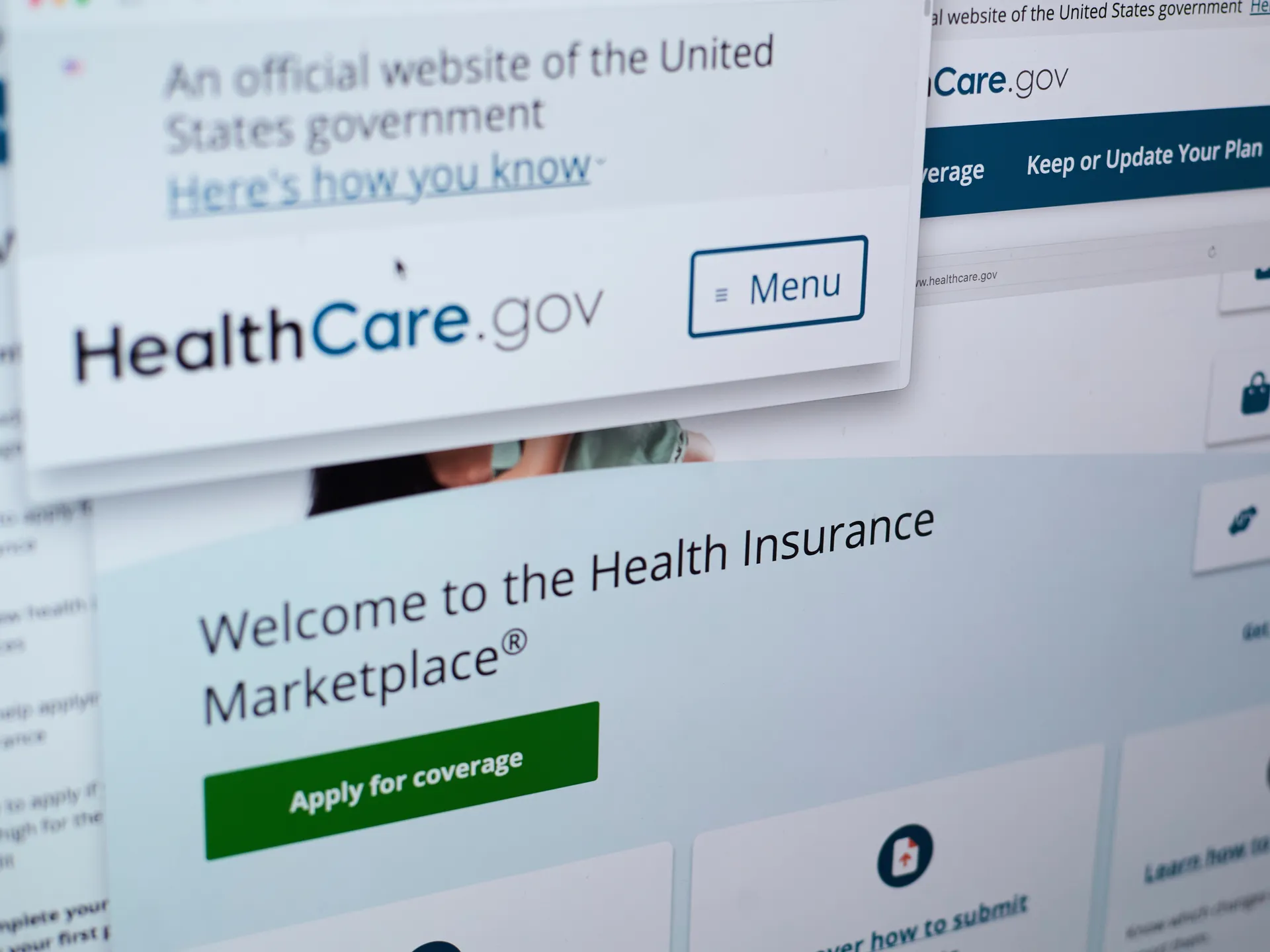
As a healthcare navigator, Diana Marrero guides people in the Richmond area as they look for health insurance
She said the expiration of federal assistance that lowered people’s healthcare costs from 2021 to the end of 2025 has led to skyrocketing premium payments this year — which have left many with “impossible choices.”
“Families that I work with were forced to choose either between basic necessities such as rent, groceries, utilities, over health insurance,” Marrero said in an interview
The numbers back it up
As the nonpartisan Congressional Budget Office predicted before the enhanced premium tax credits expired, higher premiums have led fewer people to sign up for coverage — and some to cancel their insurance plans
At the start of 2025, there were 389,000 people enrolled for healthcare coverage using Virginia’s Insurance Marketplace. The exchange is open to Virginians who are unemployed, self-employed or don’t get insurance through their jobs
There were 371,000 Virginians who signed up for insurance plans at the end of the 2026 open enrollment period on Jan. 30, according to data presented to the state’s Health Benefit Exchange Advisory Committee on June 18
That number dropped to 298,000 as of mid-June. This represents a drop of more than 19% in six months, compared to just under 7% during the same period in 2025
Marrero is a healthcare navigator with Enroll Virginia, which works with families to access quality healthcare through Medicaid and the ACA Marketplace
In 2021, enhanced premium tax credits were included in the federal American Rescue Plan Act on top of other subsidies established under the 2010 Affordable Care Act. The enhanced tax credits were then extended until the end of 2025 by the Inflation Reduction Act, giving people more financial assistance on premiums
The credits capped how much certain enrollees had to pay in premiums, based on a percentage of their annual income
After Congress didn’t extend the enhanced premium tax credits, healthcare policy experts and analysts warned that millions of people opt-out of coverage and go uninsured in 2026
An analysis from KFF, a healthcare policy organization, provided an example of how much premiums would increase
“For example, with the enhanced tax credits in place, an individual making $28,000 will pay no more than around 1% ($325) of their annual income towards a benchmark plan,” the analysis reads. “If the enhanced tax credits expire, this same individual would pay nearly 6% of their income ($1,562 annually) towards a benchmark plan in 2026.”
Those most affected by the changes are people already in vulnerable situations, Marrero said: seniors, low-income families and immigrants. According to the state marketplace, 77% of consumers on Virginia’s exchange are eligible for financial help
Marrero said that some families she’s worked with who previously paid $50 a month, or were able to get free coverage, saw their premiums jump to $500 to $600 a month
People who own small businesses or are self-employed have told Marrero that they dropped healthcare coverage, which she said is often the only
For some, the issue isn’t deciding whether or not to apply — but how long they can afford the insurance. Marrero said that people she’s helped get enrolled have called her after three months to cancel their plans
“They were like, ‘It’s impossible, we try to pay for the first and second month, but after that it’s between like my rent and providing a safe place for my family to live or feed my children or health insurance,’” she told VPM News
Eleanor Sullivan, a Medicaid policy analyst at the Virginia Poverty Law Center, said that the Virginians who’ve been most impacted aren’t new enrollees or people who need to be persuaded that coverage is worth having
“A lot of these people were enrolled in the marketplace for several years,” Sullivan said. “They simply just couldn’t afford their premium and also paying rent.”
Sullivan added that some parents are also forgoing insurance for themselves to make sure their children have healthcare
Another concern for Sullivan is the people who are not getting needed care or medication because they’re uninsured, which she said will only lead to more significant medical issues and higher costs in the long run
“I’ve spoken with individuals that — because their premium would be almost $900 a month — are going without insurance, but they need blood pressure medication and are going without that,” she said. “They need their annual mammograms, and they’re going without that.”
According to Sullivan, at least 461 people — 17% of Enroll Virginia’s marketplace-eligible clients — voluntarily dropped their coverage in 2026
Sullivan said that some people who stayed in the marketplace opted to enroll in plans that have lower premium costs but higher deductibles (the amount people must pay for medical care before insurance shares costs)
Virginia’s Health Benefit Exchange Advisory Committee was told at its June 18 meeting that almost 10,000 more people signed up for the high-deductible plans in 2026 than in 2025
Marrero said while the data is stark, it doesn’t reveal the whole picture
“There are numbers, but behind that is families,” she said. “It’s people that are facing a struggle already, and having health insurance for them is just a peace of mind.”
Sullivan said that boosting enrollment in the marketplace will help offset higher premium costs
The budget deal passed by the General Assembly earmarks $225 million in the fiscal year that starts July 1 for a “Federal Uncertainty Contingency Fund Deposit,” which is meant to help cover potential future cuts in federal funding
Some of that money can go towards an ACA premium assistance program. However, the spending plan first needs to be signed by Gov. Abigail Spanberger, who announced a list of “technical amendments” to the budget last week
Copyright 2026 VPM
