


Clinical Trial Asks Whether Gut Health Influences Ovarian Cancer Treatment Outcomes
The trial will focus on whether probiotics can ease chemotherapy side effects and improve quality of life
Credit: iStock.
Listen with
Speechify
0:00
Register or log In for free to listen to this article
A new clinical trial at The Ohio State University Comprehensive Cancer Center – Arthur G. James Cancer Hospital and Richard J. Solove Research Institute (OSUCCC – James) is testing whether probiotics can help patients with ovarian cancer better tolerate chemotherapy
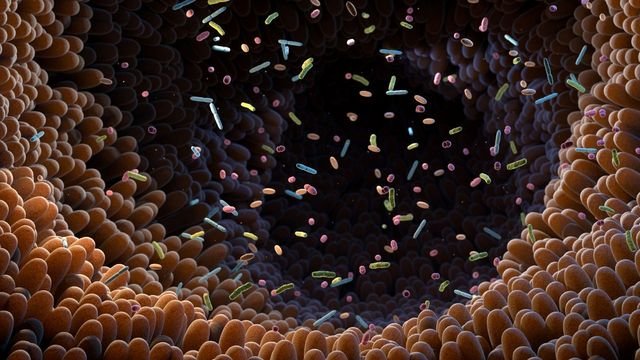
The trial will look at whether probiotics can help reduce treatment side effects and improve quality of life. Researchers will also study how changes in the gut microbiome, the bacteria and other organisms that live in the digestive tract, may be linked to treatment response.“Cancer treatments can disrupt the gut microbiome, which may lead to side effects that affect how patients feel during treatment,” said Laura Chambers, DO, clinical trial lead investigator and a gynecologic oncologist at the OSUCCC – James.“Understanding how to support the microbiome could open the door to new ways to help patients during therapy, but more research is needed before these approaches become part of standard cancer care.”
How the clinical trial works
The clinical trial will enroll 124 patients with advanced or recurrent ovarian cancer, meaning their cancer has spread or returned after treatment.Participants will be randomly assigned to receive either a probiotic supplement or a placebo, an inactive supplement.Patients in the probiotic group will take oral supplements twice daily during the first seven days of chemotherapy and for seven days after chemotherapy. The same schedule will be repeated with each chemotherapy cycle. Researchers will collect biologic samples to gauge changes in the gut and vaginal microbiome, immune function and symptoms.
Prebiotics vs. probiotics: What is the difference?
Prebiotics and probiotics are related but different. Probiotics are live microorganisms, often called “good bacteria,” that may support gut health. Prebiotics are types of fiber that help feed those bacteria.“Think of probiotics as the healthy bacteria and prebiotics as the food that helps them grow,” Chambers said. “Both may be important for supporting a healthy gut microbiome.”The gut microbiome helps the body digest nutrients, process hormones and plays a role in inflammation and immune function, Chambers said.Chambers said patients often ask what they can do to feel better during treatment beyond surgery and chemotherapy. The trial is meant to give patients and clinicians clearer evidence about whether probiotics can safely support people during chemotherapy.
This article has been republished from materials linked above. Note: material may have been edited for length and content. For further information, please contact the cited source.
Add Technology Networks as a preferred Google source to see more of our trusted coverage.
