


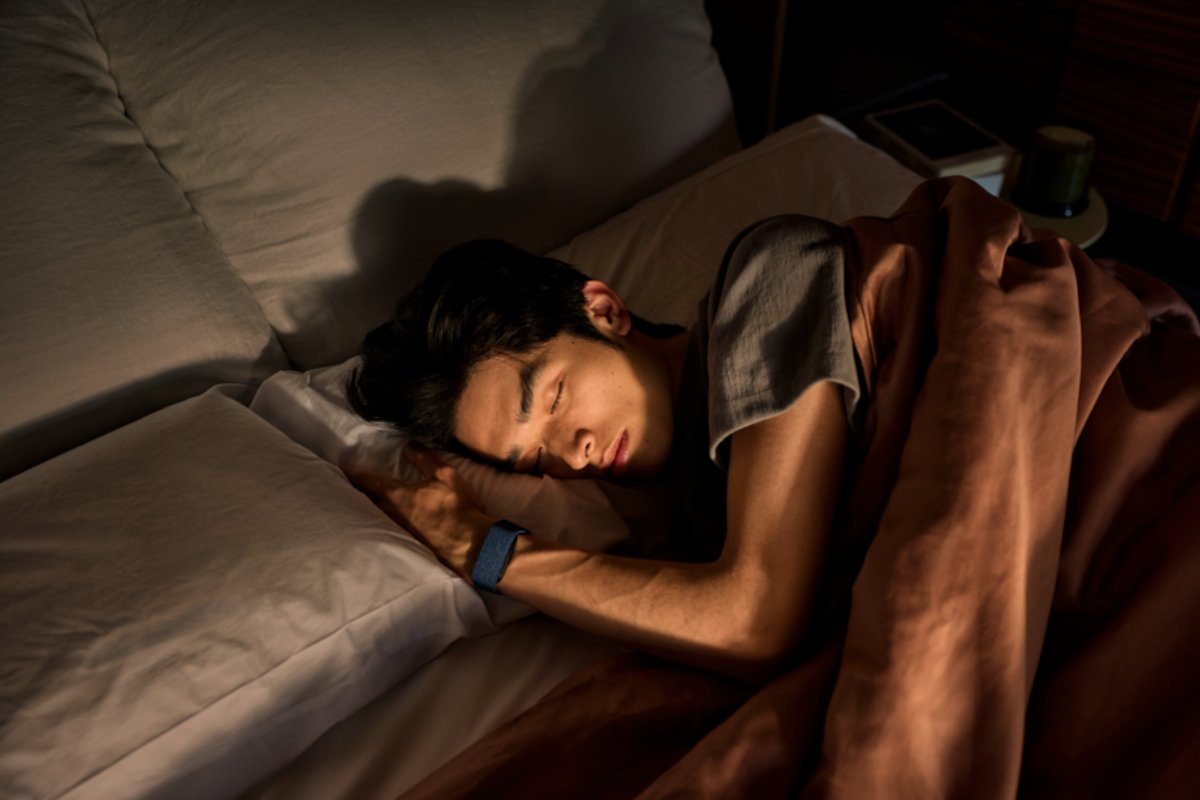
Getting eight hours of sleep doesn’t necessarily mean waking up fully recovered, especially when demanding workouts, daily stress, and inconsistent schedules interfere with rest. The Garmin CIRQA Smart Band is designed to help users understand what happens overnight, identify patterns, and improve their sleep habits. Unlike a traditional smartwatch, it has no display, delivering detailed health and recovery insights through the Garmin Connect app without requiring a monthly subscription.
Understanding sleep quality beyond the number of hours you spend in bed
The Garmin CIRQA Smart Band automatically monitors sleep duration, nighttime movement, and sleep stages, syncing the information with Garmin Connect. Users can review how long they actually slept, identify interruptions, and compare their results across multiple nights. This distinction matters because time spent in bed doesn’t always reflect the amount of sleep the body gets
The device estimates three main sleep stages: light, deep, and rapid eye movement (REM) sleep. Deep sleep is associated with physical recovery, immune function, and other restorative processes, while REM sleep plays an important role in memory consolidation and emotional regulation. These measurements are based on wearable sensor data rather than direct brain activity, meaning they should be interpreted as estimates rather than clinical assessments.
Garmin combines several overnight measurements into a sleep score ranging from 0 to 100, providing a quick assessment of sleep quality each morning. The app also offers insights into factors that may have influenced the result, including physical activity, stress, and lifestyle habits. Instead of focusing on achieving a perfect score every night, users can monitor longer-term trends and determine whether adjustments to their routines are associated with more consistent rest.
Personalized sleep coaching and nap tracking for better recovery
Garmin Sleep Coach takes the analysis further by estimating individual sleep needs based on five factors: age, recent and longer-term activity levels, sleep history, naps, and heart rate variability (HRV). Rather than applying the same recommendation to everyone, the feature adjusts its guidance according to the user’s circumstances. For most adults, the general recommendation remains seven to nine hours of sleep per night, although individual needs vary.
For cyclists and other endurance athletes, this personalized sleep coaching can provide useful context after demanding training sessions or consecutive nights of insufficient rest. If the data suggests a growing sleep deficit, the system may recommend spending more time asleep. These recommendations can complement training and recovery decisions, but they cannot independently establish whether the body is fully recovered or ready for another high-intensity workout.
The CIRQA also detects naps automatically and includes them in its broader assessment of daily recovery. Garmin Connect provides recommendations about nap timing and duration, helping users incorporate short periods of rest into their schedules. Recorded naps also affect Body Battery, Garmin’s metric for estimating available energy based on physiological measurements. Although naps can support alertness and recovery, they are not a complete substitute for sufficient nighttime sleep.
Another useful feature is Smart Wake Alarm, which attempts to wake users at a more favorable point in their sleep cycle. Instead of relying exclusively on a fixed alarm time, the band can deliver a gentle vibration during the 30-minute window before the scheduled alarm. The goal is to reduce morning grogginess, although effectiveness depends on individual sleep patterns and the accuracy of the device’s sleep-stage estimates.
Heart rate, HRV, and skin temperature complete the overnight picture
Sleep duration and stages are only part of the information collected by the CIRQA. The band also monitors heart rate, heart rate variability, blood oxygen saturation, respiratory rate, and skin temperature. Over time, Garmin’s Health Status feature establishes personal reference ranges and highlights measurements that fall outside typical values. Changes in these metrics can be associated with training load, stress, environmental conditions, or illness, but they should not be interpreted as a medical diagnosis.
For athletes balancing demanding workouts with everyday responsibilities, overnight recovery tracking provides additional information about how the body responds to physical stress. Reviewing HRV trends alongside resting heart rate and sleep quality may help identify periods when training intensity or recovery habits deserve closer attention. Garmin also offers training readiness and training status metrics, although no single wearable measurement should determine whether an athlete trains or rests.
Skin temperature monitoring supports women’s health features as well. By analyzing overnight temperature variations, Garmin Connect can improve menstrual cycle predictions and provide retrospective ovulation estimates. These features are intended for general wellness information and should not be used independently for contraception, conception planning, or medical diagnosis
The CIRQA is designed for continuous wear, including overnight use. Its low-profile construction and fabric strap are intended to improve comfort while sleeping, and Garmin offers an optional accessory for wearing the device on the upper arm. Battery life is rated at up to 10 days, although enabling features such as overnight Pulse Ox tracking may reduce that figure. This allows users to collect several consecutive nights of data without frequent charging.
The screenless Garmin sleep tracker also has an advantage for users who prefer to avoid wearing a bulky smartwatch in bed. Core sleep, health, and recovery features are available through Garmin Connect without a Garmin Connect+ subscription, although certain premium services require payment. Garmin lists the CIRQA Smart Band at a suggested retail price of $199.99 in the United States, offering an alternative for users who want detailed sleep monitoring without ongoing fees or an additional screen competing for their attention.
