


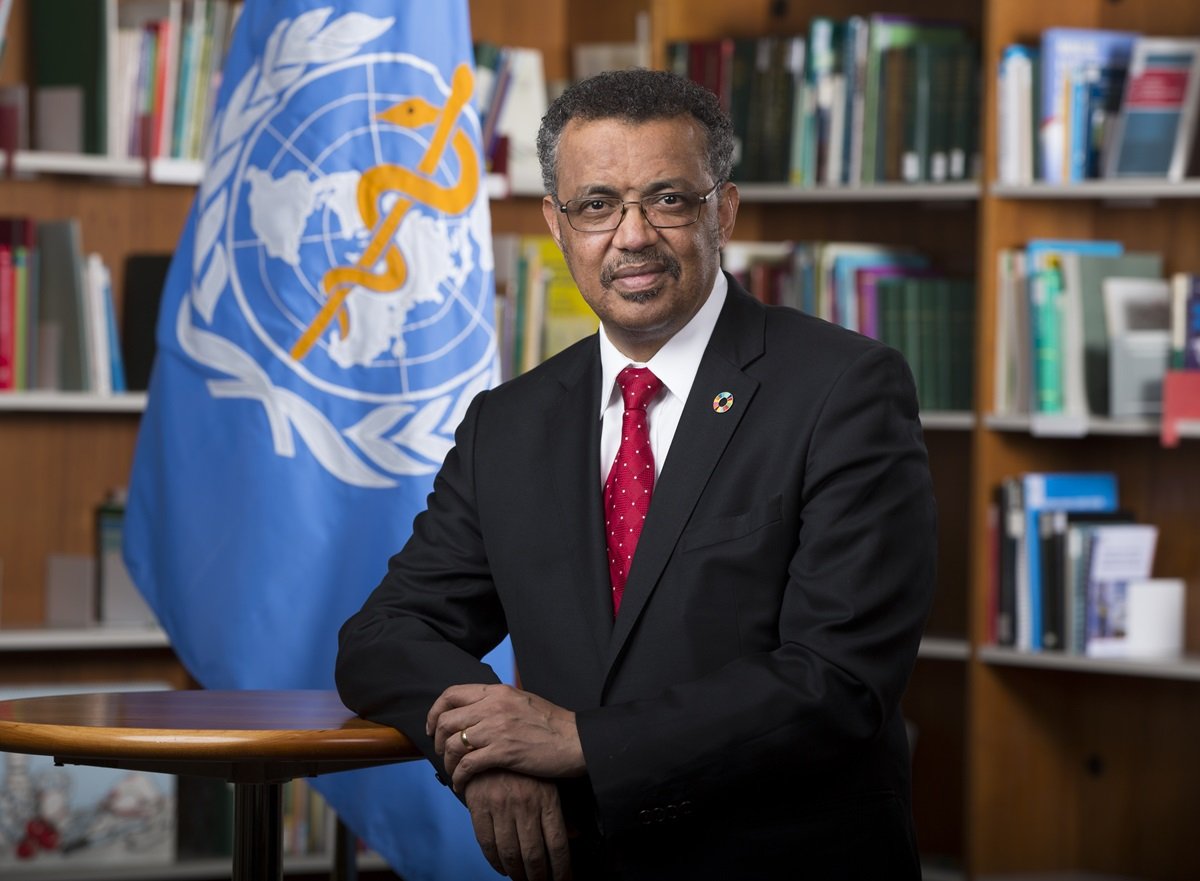
The Right Honourable Ed Miliband
Excellencies, dear colleagues and friends
I thank the United Kingdom, Qatar and Jordan for convening this important discussion on humanitarian access and health in Gaza
The situation in Gaza remains a humanitarian and public health emergency
The health system remains under extreme strain
Only 19 of Gaza’s 36 hospitals are functioning even partially, and none fully functioning
Essential medicines, diagnostics, equipment and fuel remain in critically short supply
The result is patients with cancer who cannot receive treatment
People with kidney disease who cannot access regular dialysis
Mothers and newborns who face increased risks because health facilities lack medicines, equipment and specialist staff
And thousands have suffered amputations and life-long injuries
Yet only a small proportion have received prosthetic services, and rehabilitation capacity remains critically constrained
Approximately 1.7 million people remain displaced
Most are living in overcrowded conditions with inadequate shelter, water and sanitation, increasing the risk of disease outbreaks
Cases of acute watery diarrhoea have risen sharply, while water contamination continues to worsen
Restrictions on diagnostics and laboratory equipment make it impossible for us to fully understand these risks and get ahead of the curve of outbreaks
At the same time, health workers continue to serve their communities under extraordinarily difficult circumstances
Since 2023, there have been at least 920 attacks on health facilities and staff, with over 1700 health workers killed
Health care must never be a target. Health workers must be protected in all circumstances. International humanitarian law must be respected
Excellencies
The single most important determinant of the health response today is humanitarian access
UNRWA remains one of the main public health providers in Gaza, with more than 1000 staff delivering 10 000 health consultations every day
But restrictions on UNRWA and humanitarian NGOs risk further undermining the delivery of health services, medicines and other life-saving assistance, at a time when more than two million people continue to depend on humanitarian support
Rebuilding Gaza’s health system must be based on strengthening the existing capacity of UNRWA and others, rather than creating parallel systems
WHO and our partners continue to deliver supplies, support health services and facilitate medical evacuations
Since October 2023, approximately 12 400 patients have been medically evacuated from Gaza
Yet tens of thousands more still require specialised care that is unavailable locally
WHO calls for rapid, sustained and unhindered humanitarian access
We call for medical supplies and equipment to be allowed to reach those who need them
We call for health facilities to be rehabilitated
We call for referral pathways for patients requiring specialised care from Gaza to East Jerusalem and the West Bank to be restored
And we call for medical evacuations to continue and expand
WHO welcomes the Call to Action being discussed today
Above all, the best medicine is peace
But until peace is achieved, we must do everything possible to save lives, alle
WHO remains committed to working with all partners to support the people of Gaza
Thank you
