


- News
- Technology News
- Reviews
- Samsung Galaxy Watch 8 long-term review: How Samsung Health helped me sleep better, stay fit and manage migraines
Samsung Galaxy Watch 8 long-term review: How Samsung Health helped me sleep better, stay fit and manage migraines
Smartwatches often promise to change your lifestyle, but after a few weeks most of them end up becoming little more than notification screens on your wrist. That was my experience with several wearables before I switched to the Samsung Galaxy Watch 8. After using it daily for months, I can confidently say that the watch itself is only half the story. The real value comes from the way it works with Samsung Health.As someone who suffers from chronic migraines, struggles with inconsistent sleep schedules, and spends long hours in front of a laptop, I was looking for more than just step counting and workout tracking. I wanted something that could help me understand my body better. Over the past few months, the combination of the Galaxy Watch 8 and Samsung Health has done exactly that.
A smartwatch that doesn’t feel overwhelming
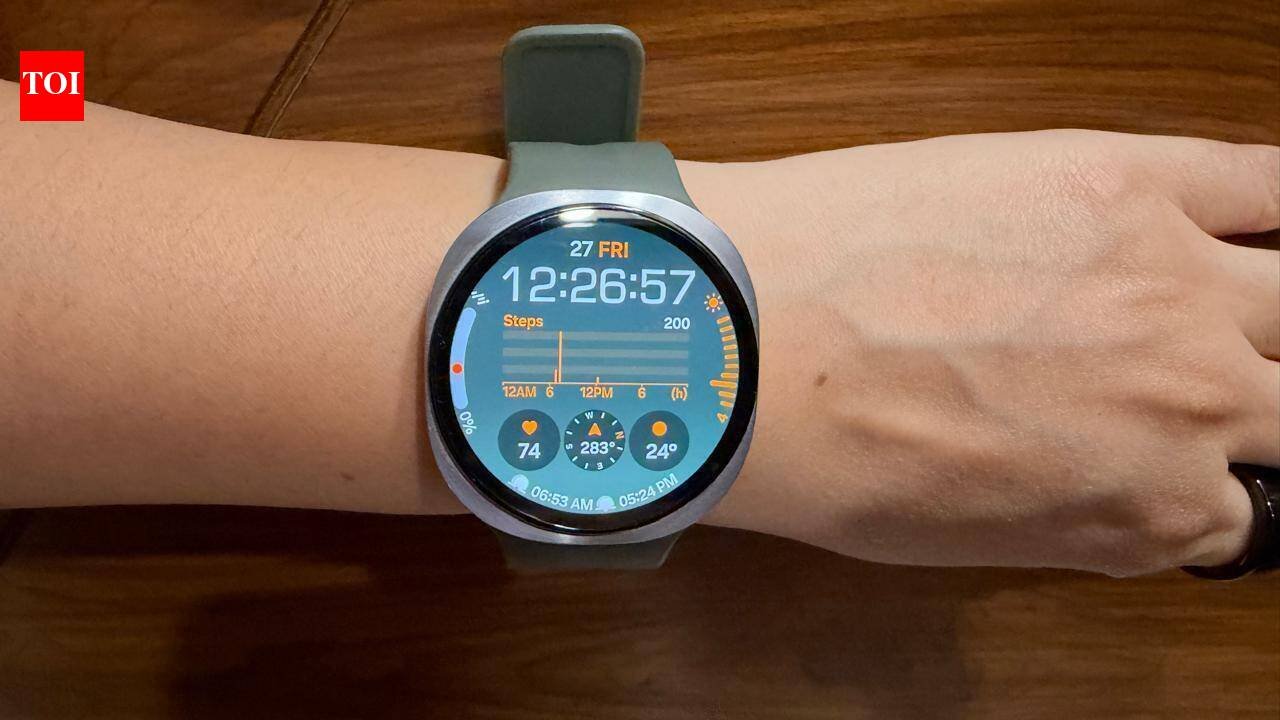
The sleek and lightweight design of the Galaxy Watch 8 instantly felt familiar yet refined. The comfortable design of the smartwatch helped me in wearing it the entire time without feeling any fatigue. A comfortable and user-friendly design of a wearable is one of the important factors as the health-tacking value comes from continuous monitoring and for that you will have to wear the device almost all the time.Samsung has done a fairly good job in presenting the information in an easy to understand format and unlike the other smartwatches available in the market, the Galaxy Watch 8 does not bombard you with data all the time. Whether it is activity tracking, sleep analysis, heart-rate monitoring or wellness insights, every metric appears well organized within the Samsung Health app. Initially, I thought that I would use Samsung Galaxy Watch 8 for notifications and occasional workout tracking, but months later, health monitoring became the feature I rely on the most.
Samsung Health became my daily health journal
One of the biggest changes which I noticed in my daily routine was how frequently I started opening the Samsung Health app. Slowly, the app became a personal health dairy for me. Every morning I would check my sleep score. During the day, I would monitor my activity levels, keep a check on my step counts and stress trends. In the evening daily I would review whether I had reached my movement goals or spent long hours sitting at my desk. Over the period of time, I noticed patterns emerging. The Samsung Galaxy Watch 8 wasn’t just simply recording the data, it helped me in understanding my habits and how they are affecting my health.For instance, Samsung Health showed clear links between late-night screen use, reduced sleep quality and higher stress levels the next day. Seeing these trends in the Health app motivated me to rework on my routine so that I can improve my health metrics.
How the Samsung Galaxy Watch 8 helped me manage migraines
I am a migraine patient, and managing my migraine with the help of Samsung Galaxy Watch 8 became the most valuable aspect of my entire experience. Anyone who suffers from migraine knows exactly that attacks rarely happen without triggers. The challenge is to identify the triggers consistently so that we can avoid them in the future. Before I was using the Galaxy Watch 8, I relied mainly on my memory to figure out what caused migraine episodes. So, by the time the migraine strikes, it becomes difficult to accurately recall the sleep patterns, stress levels or any other lifestyle factor of the previous day.But the objective data present in the Samsung Health app offered a better perspective in recognising my triggers and managing my migraines. After the time period of several months, I noticed a recurring pattern. The majority of my migraine episodes occurred after nights when I had poor sleep score or periods of increased stress levels.
The watch helped me identify:
- Sleep deprivation
- Irregular sleep schedules
- Extended periods of inactivity
- High-stress days
- Reduced physical activity
The Galaxy Watch does not treat migraines, but it helped me in identifying my warning signs much earlier. On the days when my stress readings were consistently high, I started taking preventive measures like short walks, breathing exercises, hydration breaks and improved sleep schedules. The result was not any miracle cure, but I discovered that I am in more control. Instead of reacting to migraines, I became more proactive in managing my triggers with the help of the Galaxy Watch 8.
Sleep tracking
changed my daily routine
The one feature of which truly helped in improving my overall health, was sleep tracing. Like many people, I also believed that I was getting enough sleep simply because I spent seven or eight hours in bed. But the Galaxy Watch 8 showed that poor sleep quality and good sleep quality are two very different things.
Samsung Health provided detailed insights into:
- Sleep duration
- Sleep consistency
- Sleep stages
- Sleep scores
- Sleep trends over time
The most useful aspect wasn’t any single night’s data. It was the long-term trends.After months of continuous monitoring, I found out that my best days almost followed consistent sleeping schedules. Even sleeping slightly less but maintaining a regular bedtime resulted in better sleep score as compared to sleeping longer on irregular schedules. The Samsung Health app helped in effectively turning sleep into something measurable and actionable.
Sleep Coaching was the feature that changed my habits
The sleep tracking data proved to be very useful for me, but the Sleep Coaching feature of the Samsung Health app is the one which actually helped me in improving my overall sleep quality. Instead of simply showing me the charts and numbers, the feature analysed my sleep patterns over a period of time and assigned me a sleep profile. It then guided me through a personalised coaching programme which was designed to address the specific issues which were affecting my sleep.What I really liked is that the coaching felt more practical rather than medical or intimidating. The app also offered small achievable goals, reminders and recommendations which I easily incorporated in my daily life. So, instead of overhauling my lifestyle overnight, I focused on gradual improvements such as maintaining a fixed bedtime, reducing late-night screen exposure, avoiding irregular sleep schedules, and creating a more consistent nightly routine.As someone who suffers from migraines, thai became a particularly valuable metric. Over the period of time, I also noticed that the days following higher sleep scores and better sleep consistency were often the days when I felt less susceptible to migraine triggers. The combination of sleep tracking and coaching helped me in identifying the habits which were affecting both the quality of my sleep and overall well-being.Along with this, the feature also created a sense of accountability. I also felt motivated to follow a consistent bedtime routine as my sleep patterns were tracked and evaluated.After several months, I noticed improvements. I was falling asleep faster and waking up feeling more refreshed. Also, I experienced fewer days where poor sleep left me feeling exhausted and irritable. More importantly, better sleep appeared to contribute to better migraine management, making it one of the most valuable health tools available on the watch.
Once I started prioritising sleep consistency with the help of Sleep Coaching, I noticed:
- Better morning energy levels
- Improved concentration at work
- Reduced afternoon fatigue
- Fewer migraine-triggering days
- Improved overall mood
- More consistent sleep schedules
For someone who had struggled with sleep quality for years, that was a significant benefit. The Galaxy Watch 8’s sleep tracking gave me the data, but Samsung Health’s Sleep Coaching gave me a plan to act on it, and that made all the difference.
The gentle reminders that actually work
Most smartwatches nag users constantly. The Galaxy Watch 8 takes a more balanced approach. What I appreciated most were the subtle reminders to move after long periods of inactivity. Working from home often means sitting for hours without realizing it. The watch would gently encourage me to get up, stretch, or walk for a few minutes. Initially I ignored these notifications.Months later, I found myself responding to them almost automatically. Those small bursts of movement added up across weeks and months. More importantly, they prevented the long sedentary periods that often contributed to neck tension and headache-related discomfort.
Fitness tracking without the pressure
Apart from sleep tracking, another reason why I remained consistent with the Galaxy Watch 8 is that it doesn’t make fitness feel intimidating. I am not training for a marathon, nor am I chasing elite athletic goals. My sole objective is to maintain a healthy lifestyle and the Galaxy Watch 8 handled that perfectly. Whether it was walking, jogging, cycling, or casual workouts, activity tracking remained accurate and dependable. Samsung Health transformed these activities into easy-to-understand progress reports rather than overwhelming fitness statistics. Watching weekly activity trends improve became surprisingly motivating. Instead of obsessing over individual workouts, I focused on long-term consistency.
Samsung Health is the real star
The Galaxy Watch 8 is an excellent smartwatch, but after months of use, I believe Samsung Health deserves equal credit. The watch collects the data, but Samsung Health transforms that information into meaningful insights.
Join conversation
Share your thoughts in the comments
Be respectful · TOI community guidelines
The combination helped me:
- Build healthier sleep habits
- Identify migraine-related triggers
- Improve daily activity levels
- Better understand stress patterns
- Maintain consistent fitness routines
- Develop greater awareness of overall wellness.
Verdict
After several months with the Samsung Galaxy Watch 8, I no longer view it as a smartwatch. It has become a personal wellness companion. The feature that delivered the greatest value wasn’t fitness tracking or notifications. It was the ability to connect different pieces of my health data and turn them into actionable insights. As someone who deals with migraines, the combination of Galaxy Watch 8 and Samsung Health helped me better understand the relationship between sleep, stress, recovery, and migraine triggers. It didn’t eliminate migraines, but it provided the awareness needed to manage them more effectively.If you’re looking for a smartwatch that does more than count steps and display messages, the Galaxy Watch 8 paired with Samsung Health is one of the most useful health and wellness tools I’ve used. Months later, it remains on my wrist not because I need it, but because I’ve genuinely come to rely on the healthier habits it helped me build.Fearless legend or grounded realist? Rate yourself on 11 categories in the Great Indian Confidence Survey – find out in 3–6 min
End of Article
Follow Us On Social Media
