


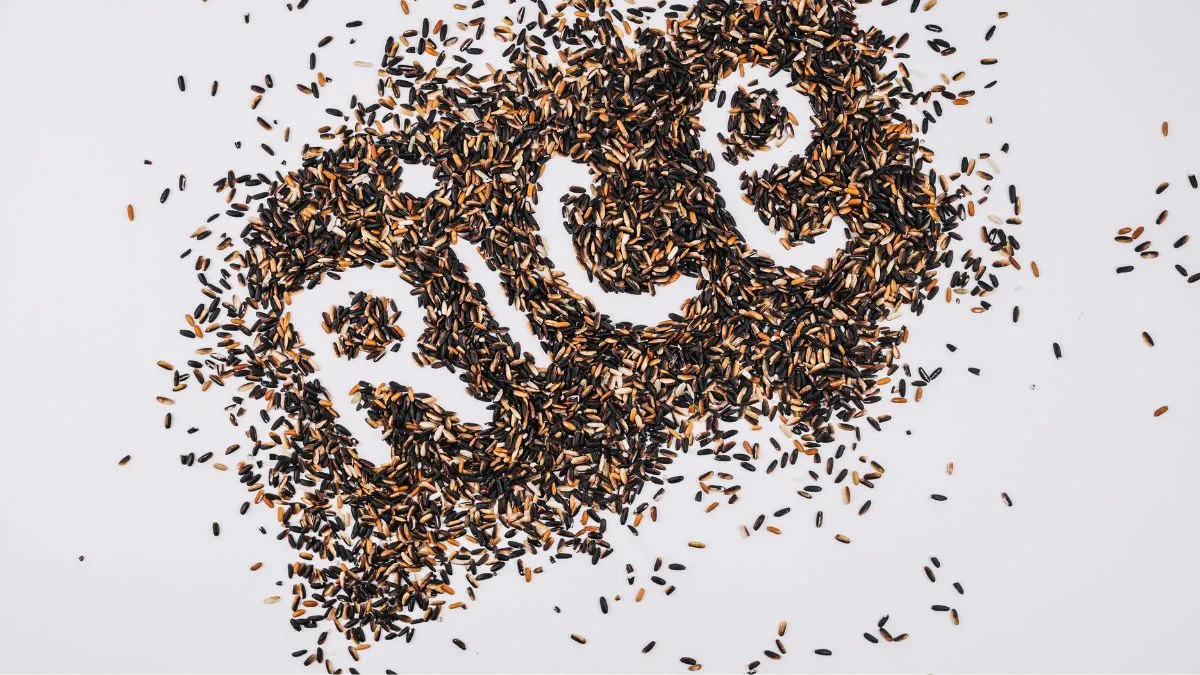
Rice is a staple food for more than half of the world’s population, but new research suggests that its nutritional value may extend beyond its familiar carbohydrate content. Scientists have found that black and green varieties of Japanese rice contain unusual fats and may be digested more slowly than ordinary white rice
The findings, from researchers at Hokkaido University, could offer new insights into how different types of rice may affect blood sugar and metabolic health
Scientists Examined 56 Rice Varieties
The researchers studied 56 varieties of japonica rice collected from across Japan. These included red, green, black, and brown rice varieties
Using advanced techniques such as liquid chromatography and mass spectrometry, the team examined the fats, or lipids, present in the grains. They identified 196 different lipid molecules belonging to five major groups
Although fat makes up only a small proportion of rice, researchers say these compounds can contribute to its nutritional properties, flavour and overall quality
Black And Green Rice Stood Out
Among the varieties studied, pigmented rice, particularly black and green rice, had distinctive lipid profiles
The researchers found potentially beneficial compounds called ‘FAHMFAs and LNAPEs’ in these varieties. Some lipids in these groups have previously been linked in biological studies with anti-inflammatory activity and metabolic health
The study also reported the first detection of FAHMFAs in rice
However, the findings do not mean that eating black or green rice directly prevents inflammation or metabolic disease. The researchers are identifying compounds that may have biological effects, and further research is needed to understand their significance in humans
Black And Green Rice May Affect Blood Sugar Differently
The researchers also looked at how quickly the starch in different rice varieties was broken down during digestion
This was not a human trial. Instead, the scientists cooked selected rice samples and used digestive enzymes in a laboratory setting to recreate aspects of human digestion
Black and green japonica rice showed slower starch breakdown compared with typical white rice. This suggests that glucose from these varieties may enter the bloodstream more gradually after digestion
Slower digestion could be relevant for foods designed to support better blood sugar management. However, laboratory digestion results cannot be treated as proof that eating these rice varieties will lower blood sugar in people
Also Read: Red Rice vs Brown Rice vs Black Rice: Which One Helps Most with Weight Loss?
What Does This Mean For Rice Lovers?
The research highlights that rice varieties can differ in more ways than colour and taste. Their starch and lipid composition may also vary, potentially affecting how they are digested and their nutritional properties
The findings could eventually help researchers develop foods aimed at supporting metabolic health, including products designed for people concerned about blood sugar
Final Word
For now, the study adds to growing research on the nutritional differences between whole and pigmented grains. It also shows why looking at individual food components, rather than treating all rice as nutritionally identical, can provide a more detailed understanding of what we eat
Disclaimer
All possible measures have been taken to ensure accuracy, reliability, timeliness and authenticity of the information; however Onlymyhealth.com does not take any liability for the same. Using any information provided by the website is solely at the viewers’ discretion. In case of any medical exigencies/ persistent health issues, we advise you to seek a qualified medical practitioner before putting to use any advice/tips given by our team or any third party in form of answers/comments on the above mentioned website.
How we keep this article up to date:
We work with experts and keep a close eye on the latest in health and wellness. Whenever there is a new research or helpful information, we update our articles with accurate and useful advice
Sep 18, 2026 11:32 IST
Published By : Chanchal Sengar
