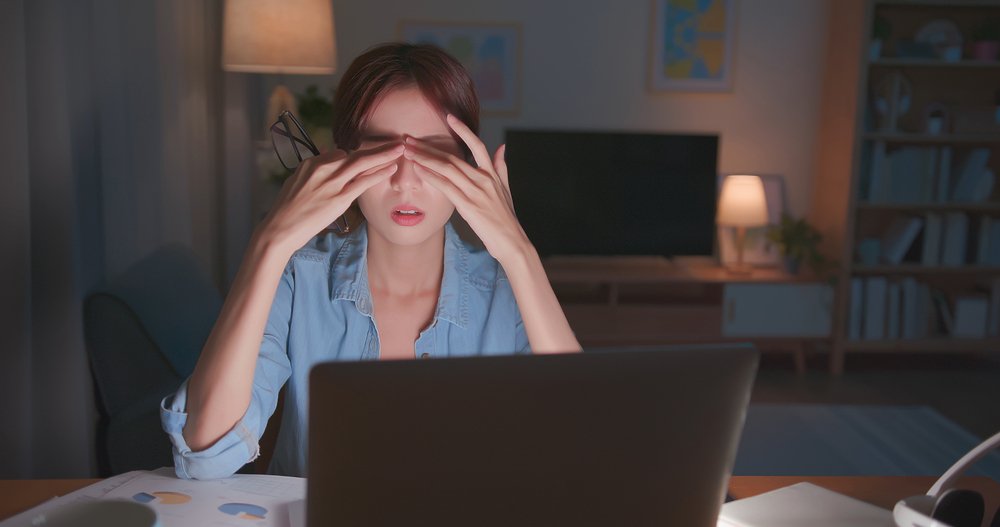
Updated 2026/09/03 07:30According to the study, evening types were more likely than morning types to experience insufficient sleep. / Photo = ClipartKoreaResearchers found that evening types are more likely than morning types to have insufficient sleep and lower levels of physical activity. Evening types were also at higher risk of experiencing depression, anxiety disorders, and hazardous levels of alcohol consumption.Researchers at the University of Eastern Finland analyzed the effects of circadian rhythm on health in 2266 Finnish employees, average age 44.3 years old, who took part in a population-based study. The participants were classified, according to the results of the morningness-eveningness questionnaire, MEQ, as ▲definite morning type ▲moderately morning type ▲moderately evening type ▲definite evening type, after which their mental health status, such as anxiety and depressive symptoms, alcohol intake, and physical activity levels were assessed.The study found that evening types were more likely than morning types to experience insufficient sleep. Only 19% of definite morning types said they ‘rarely or never get sufficient sleep’, while the figure was 38.6% for definite evening types. The proportion whose physical activity fell below the standard was also 46.7% for morning types and 58% for evening types, a difference of more than 10 percentage points.In addition, evening types had up to 2 to 4 times higher risk of experiencing problems such as depression or anxiety disorders compared with morning types. The proportion engaging in hazardous drinking was also higher among definite evening types, 32.3%, than definite morning types, 27.3%.According to the study, definite evening types experienced work-related stress more often and had lower postwork recovery than definite morning types. The researchers said these factors likely contributed to the deterioration of evening types’ mental health. Dr. Ilona Merikanto, who led the study, said, “These findings show that evening types not only face work-life balance issues but also relatively poorer mental health.”The findings were recently published in the international journal ‘Sleep Health’.
This article has been translated AI
Editor’s Pick
You May Like