



Beyond the fairways: Why golf could become a path to better mental wellbeing
Photo: The GolfHouse
For many people in Bangladesh, golf remains a game associated with privilege, corporate networking and exclusive clubs. The familiar image is of business executives, senior professionals and retired officials spending their mornings on carefully maintained fairways
But perhaps we have been looking at golf through too narrow a lens
Beyond the competition, expensive equipment and social connections, the game offers something increasingly valuable in today’s world: an opportunity to escape everyday pressures, spend time outdoors and regain a sense of balance
At a time when stress, anxiety and digital dependence have become part of modern life, golf deserves to be recognised not simply as a sport, but also as an activity that can contribute to physical and mental wellbeing
This is particularly relevant to Bangladesh, where rapid urbanisation, traffic congestion, demanding work schedules and limited access to open spaces have made relaxation increasingly difficult
A game that allows the mind to slow down
Consider an ordinary working day in Dhaka
For many professionals, the morning begins with mobile notifications, emails and telephone calls. Hours are spent navigating traffic, attending meetings and managing responsibilities. Even after returning home, the demands of work often continue through smartphones and laptops
There is little opportunity to disconnect
Now consider a morning on a golf course
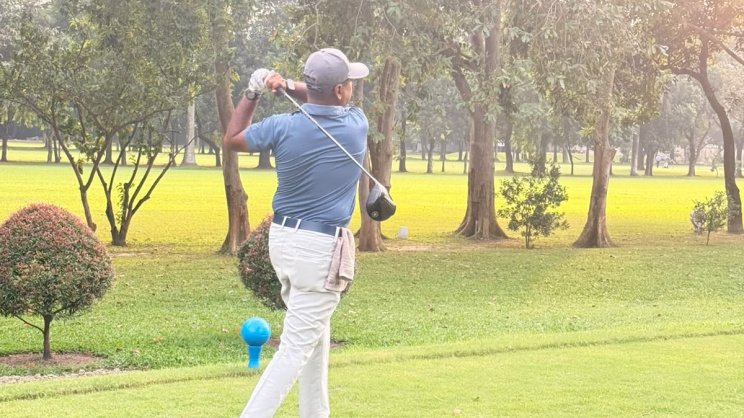
The surroundings are different. There are trees, open skies and stretches of green. Instead of responding to another email, a golfer concentrates on the next shot. The mind turns towards the distance, the wind, the position of the ball and the movement of the club
For a few hours, everyday concerns can become less immediate
This is one of golf’s most overlooked qualities
Unlike many recreational activities, golf combines moderate physical exercise, concentration, social interaction and exposure to nature. The game requires patience, emotional control and the ability to recover from mistakes
A poor shot cannot be undone. The player must accept it, regain composure and prepare for the next opportunity
There is a lesson in that process which extends well beyond sport
Image
The connection between golf and mental health
Mental health has become an increasingly important public health concern worldwide
The World Health Organization has repeatedly highlighted the widespread burden of mental health conditions and the importance of physical activity, social connections and supportive environments in promoting wellbeing
Golf brings several of these elements together

For all latest news, follow The Daily Star’s Google News channel.

Walking around a course provides physical activity, while the natural surroundings may encourage relaxation. Playing with friends creates opportunities for conversation and companionship. The concentration required to execute a shot can temporarily shift attention away from daily worries
Research into golf and health has also identified associations between participation in the sport and benefits relating to physical activity, social wellbeing and aspects of mental health
However, an important distinction must be made
Golf should not be presented as a medical treatment for depression, anxiety or other mental health conditions. Nor can it replace professional psychological care
Its value lies in its potential to support wellbeing as part of a healthy and active lifestyle
For many golfers, that contribution is already familiar, even if they have never described it in medical or psychological terms
They simply know that they often feel better after a round
Why Bangladesh should pay attention
Bangladesh has a growing golf community, supported by established clubs, professional players, amateur tournaments and increasing corporate participation
Courses such as Kurmitola Golf Club, Army Golf Club, Savar Golf Club, Bhatiary Golf and Country Club and Mainamati Golf and Country Club provide environments where the game can be enjoyed away from the intensity of urban life
Yet golf’s wider contribution to public wellbeing has received relatively little attention
Most discussions about developing the sport focus on tournaments, sponsorship, equipment, professional training and international participation
These are undoubtedly important
But if Bangladesh wants golf to reach a wider audience, it may also need to communicate the game’s benefits beyond competition
A business executive struggling with workplace pressure, a retired professional seeking companionship, a young person spending excessive time on digital devices or a family looking for a healthy outdoor activity may all find something valuable in golf
Not everyone needs to become a competitive golfer
For some, the greatest reward may simply be spending an hour practising, walking outdoors or learning a new skill
This broader understanding could gradually change public perceptions of the sport
Golf is not only for the wealthy
One of the biggest challenges facing golf in Bangladesh is accessibility
The perception that golf is expensive, exclusive and difficult to learn continues to discourage potential newcomers
To some extent, this perception reflects reality. Membership fees, equipment costs and access restrictions at established clubs can place the game beyond the reach of many people
However, golf does not necessarily have to begin with an 18-hole championship course or an expensive set of clubs
Driving ranges, putting facilities, short courses, school programmes and mini golf can introduce people to the fundamentals at a more affordable level
Such facilities could be developed in educational institutions, resorts, recreational centres and selected urban spaces
A child learning to putt, a university student practising at a driving range or a family enjoying a short golf session can experience elements of the game without entering the traditional club environment
For Bangladesh, expanding these entry points could be an important step towards making golf more inclusive
It would also help establish the sport as a recreational activity rather than an exclusive social pursuit
A new opportunity for golf clubs and resorts
The relationship between golf and wellbeing presents an interesting opportunity for the country’s hospitality and tourism industries
Internationally, wellness tourism has become an important segment of the travel market, with travellers increasingly interested in experiences that combine relaxation, physical activity and time in natural surroundings
Golf can fit naturally into this trend
Bangladesh’s golf clubs, hotels and resorts could explore packages combining golf lessons, outdoor activities, healthy dining and short leisure breaks
A visitor might not necessarily want to compete in a tournament. Instead, the attraction could be a peaceful morning on the course, followed by breakfast and time away from the pressures of city life
Hotels could also introduce beginners to golf through partnerships with nearby clubs or accessible practice facilities
For international visitors, such arrangements could create an additional reason to extend their stay
The opportunity is not limited to established golfers
Couples, families, corporate groups and first-time participants could become part of a broader golf-related leisure market
Of course, developing this segment would require investment, professional instruction, appropriate facilities and careful attention to affordability
But it could give golf a more meaningful place within Bangladesh’s tourism and hospitality landscape
Image
Corporate Bangladesh has a role to play
Golf has long been associated with business relationships
Corporate tournaments bring together executives, entrepreneurs, diplomats and professionals, creating opportunities for networking in an informal environment
Yet the corporate sector could look beyond golf’s traditional networking benefits
Workplace stress and employee wellbeing are increasingly important management concerns
Companies spend considerable re activities. Golf could become another option within broader employee wellbeing programmes
A corporate golf day need not be restricted to experienced players
Beginners could participate in putting competitions, introductory lessons or short-format activities. Employees could enjoy an outdoor experience without the pressure of completing a full round
Such initiatives could encourage physical activity, strengthen workplace relationships and provide a welcome break from routine
They could also introduce golf to people who might otherwise never consider trying it
For tournament organisers and sponsors, this creates an opportunity to develop events that offer more than branding exposure and hospitality
The experience itself can become part of the value
The next generation may see golf differently
The future of golf will depend partly on how successfully it connects with younger people
Today’s younger generation has grown up in an environment dominated by digital communication, social media and constant connectivity
While technology offers enormous advantages, excessive screen time and limited outdoor activity can also affect daily habits and wellbeing
Golf provides an opportunity to develop a different relationship with time and attention
The game cannot be mastered instantly. Progress requires practice, discipline and patience
It teaches players to concentrate on a task, manage frustration and appreciate gradual improvement
These qualities can be particularly valuable for young people
However, attracting them will require a change in approach
Traditional club membership alone is unlikely to be sufficient
Schools, colleges, universities and community organisations should be encouraged to introduce accessible forms of golf
Short-format competitions, affordable coaching and family-friendly facilities could help make the sport more appealing
Bangladesh also needs to create stronger pathways through which young people can move from recreational participation to competitive golf
The broader the foundation, the stronger the future of the sport
The importance of companionship
There is another dimension of golf that deserves greater recognition: human connection
Modern life can be surprisingly isolating, even in a crowded city
Professional responsibilities, family commitments and digital communication often leave little time for meaningful personal interaction
Golf creates space for conversation
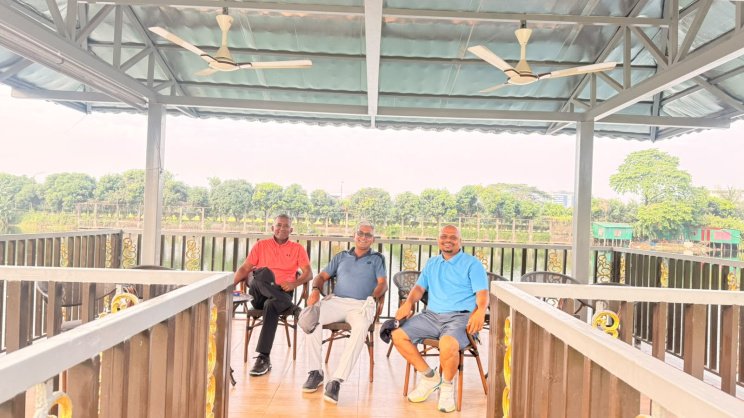
A round can bring together people of different ages, professions and backgrounds. Players walk together, share experiences, celebrate good shots and occasionally laugh about poor ones
For older adults and retired professionals, regular participation can provide routine, friendship and a sense of belonging
For younger players, it can create opportunities to learn from people with different experiences
These social benefits should not be underestimated
The value of golf is not always measured by the score recorded at the end of a round
Sometimes it is found in the friendships maintained along the way
Image

Rethinking the future of golf in Bangladesh
Bangladesh has made meaningful progress in developing competitive golf, producing internationally recognised professionals and organising tournaments that attract participants from different sectors
The next stage should involve broadening the conversation
Golf development should not be measured solely by the number of tournaments organised, trophies awarded or sponsors secured
It should also consider how many new people are introduced to the game, how accessible facilities become and how effectively golf contributes to healthier recreational habits
Golf clubs can play a role by encouraging introductory programmes and creating welcoming environments for beginners
Educational institutions can explore opportunities to introduce the sport
Corporate organisations can incorporate golf into suitable recreational and employee engagement initiatives
Hotels and resorts can develop experiences that combine golf with leisure and wellbeing
And the media has a responsibility to tell stories about the game that go beyond tournament results and professional achievements
This does not mean abandoning golf’s competitive traditions
On the contrary, expanding participation and public interest can strengthen the sport at every level
More than a scorecard
Having spent years closely observing Bangladesh’s golfing community, I have come to appreciate that some of the game’s most meaningful moments happen away from the competition itself
They are found in the early morning conversations before a round, the quiet walk between shots, the friendships built over years and the satisfaction of spending a few uninterrupted hours outdoors
Golf does not remove life’s problems
A difficult business decision will still be waiting after the final putt. Personal responsibilities will not disappear, and the pressures of modern life will inevitably return
But the game can offer a temporary change of pace and perspective
In a country where open spaces are becoming increasingly precious and everyday life is often demanding, that opportunity deserves greater recognition
Perhaps the future of golf in Bangladesh is not simply about producing more champions or building more championship courses
It is also about making the game accessible to more people and helping them discover its physical, social and psychological benefits
Golf may never be a substitute for therapy, but it can be a meaningful part of a healthier and more balanced life
And sometimes, the most valuable thing a golfer takes home is not a trophy, a good score or a business connection
It is a clearer mind
** The writer is the editor and publisher of The GolfHouse magazine
