


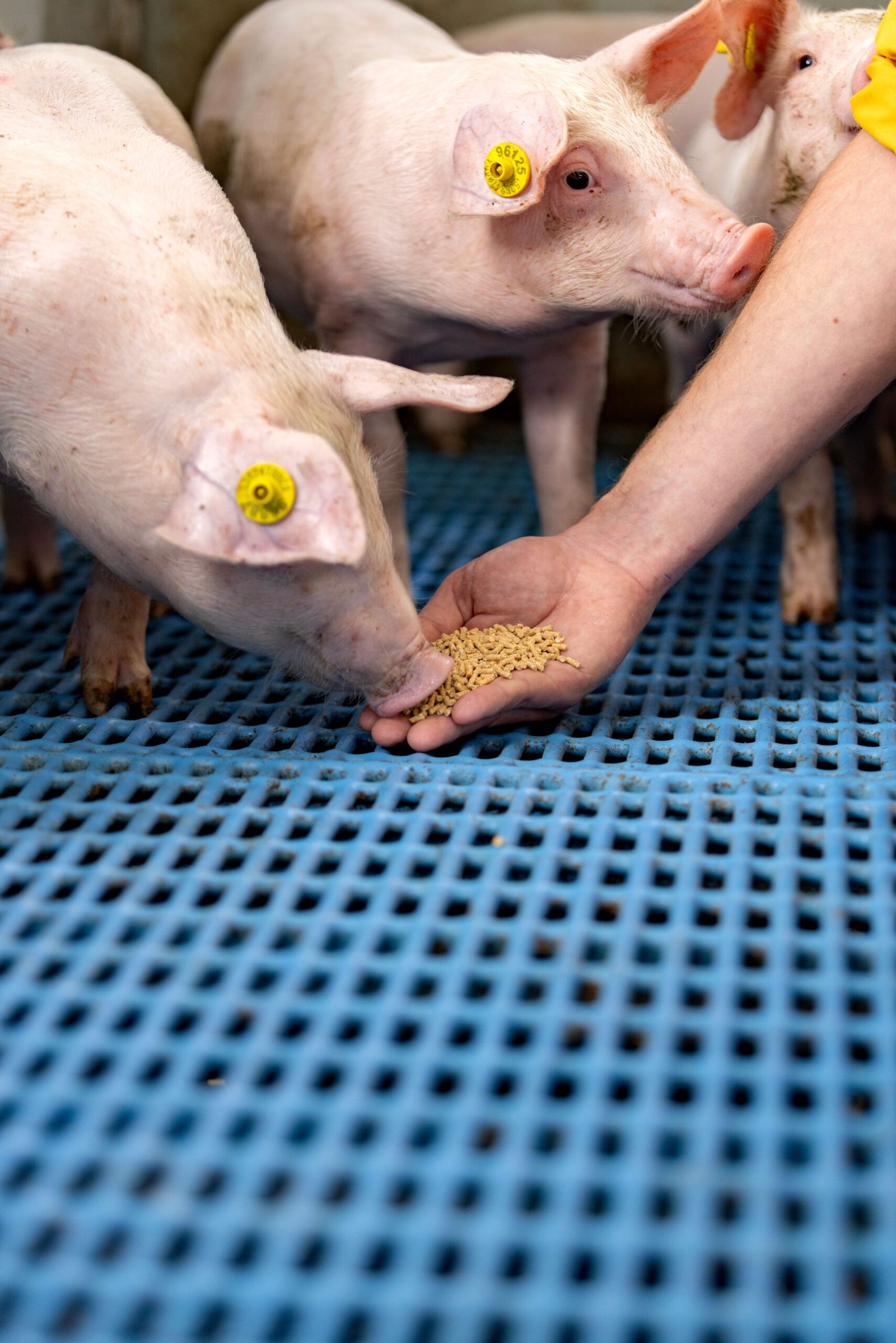
How the microbiome influences pigs’ gut health and performance
Pigs and people have more in common than we might think. In fact, pigs share some important biological similarities with humans. But perhaps one of the most interesting connections is something we cannot see. When it comes to the microbiome, research in humans can help us better understand pigs, while research in pigs can add to what we know about humans. This connection is helping us learn more about the pig microbiome and why it matters.
Marc DecouxSenior Director, Monogastrics & PhytogenicsMaud Le GallCargill
Nov 20
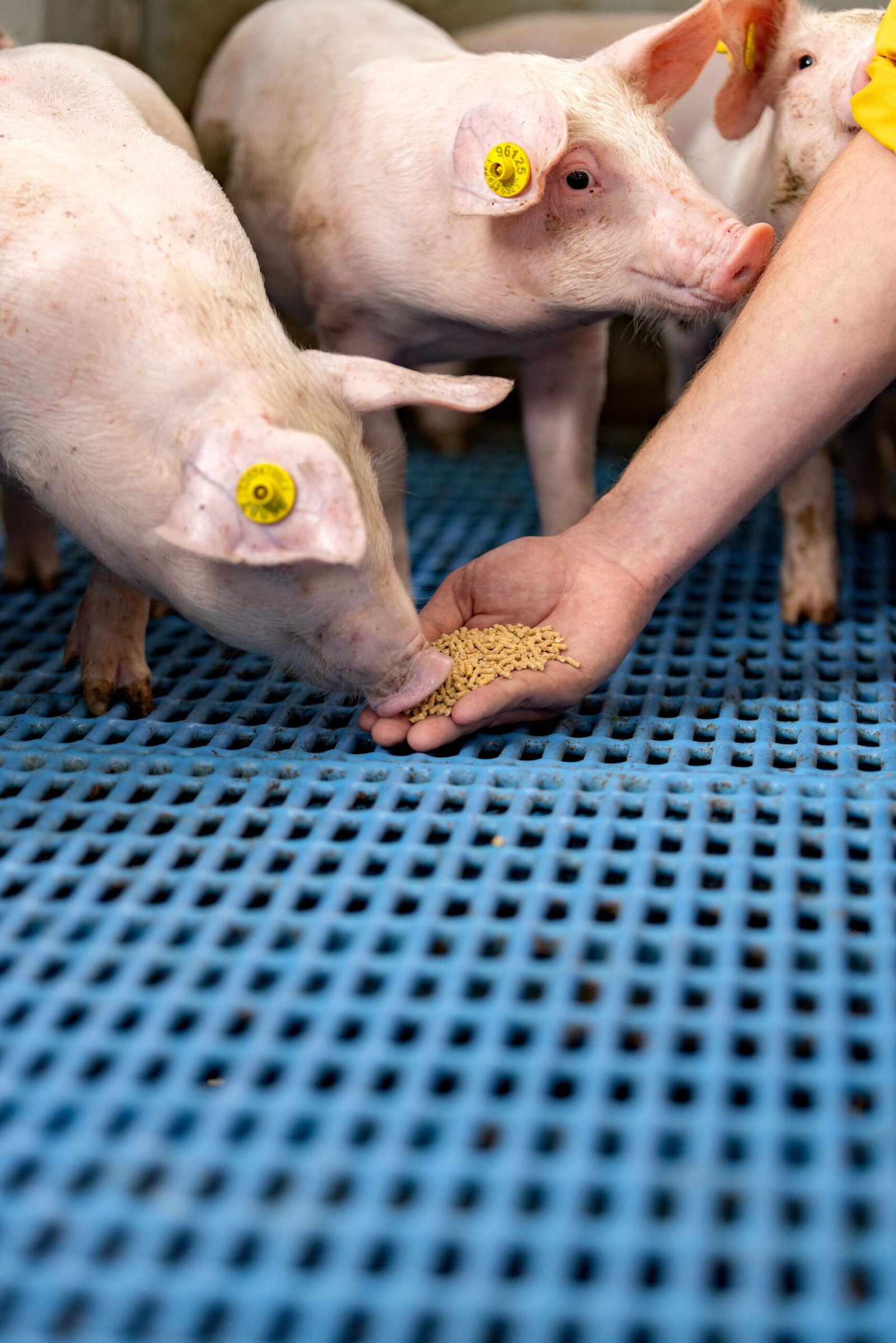
We still have much to learn, but the picture is becoming clearer. We know enough today to recognise important changes in the microbiome and better understand what they can mean for the animal and the pig industry. Nutrition, environment, and periods of stress can all influence the gut microbiota and how it develops over time. For producers, that matters because the microbiome interacts closely with the pig’s digestive system, influencing digestion, nutrient utilisation and immune function. These interactions can play an important role in gut health and help explain differences in how consistently pigs grow and perform.
That growing understanding informs Cinergy. Cinergy is Cargill Animal Nutrition & Health’s (ANH) dedicated swine micronutrition and health portfolio, bringing together targeted, pig-specific nutrition solutions for every life stage. From farrow to finish, Cinergy helps producers meet their objectives amid changing environmental conditions and production challenges, when it matters most
Feeding the gut, not just the pig
A pig may be the one standing at the feeder, but it is not the only thing being fed. We also feed a whole community of microorganisms in the intestinal tract, known as the gut microbiota. This community starts developing from the first days in life. Right after birth, the sow begins to shape her offspring’s microbiota through contact and faeces. Nutrition, environment and other factors continue to shape it as the pig grows. That gives us a different way to think about nutrition. We are not only feeding the pig, but we are also feeding the microbial ecosystem within it. The microbiota interacts closely with the gut, supporting digestion, nutrient utilisation and the development of the pig’s natural defences. This is an important part of gut efficiency. It’s not just about what we feed the animal; it’s also about supporting the gut environment and its functions to maintain healthy development and consistent performance.
Finding consistency in changing conditions
A pig’s world rarely stays the same for long. Pigs move through production stages, and shifts in diet, environment and sanitation affect how they respond to nutrition. Sometimes, that response is not what we expect. Producers can see those deviations in their performance metrics, but the numbers don’t always tell us why. We cannot eliminate every change along the way. Instead, we can work to better understand these responses and use nutrition to support more consistent, predictable performance throughout production. Part of the explanation may be hidden in the microbiome.
Preparing pigs for critical moments
At weaning, a lot can change quickly. A piglet may transition to a new feed, environment, and social group while its gut microbiota is still developing. Together, these changes put pressure on the pig. At the same time, the microbiota can shift faster than we once thought. Significant shifts can happen within a few days, even in mature animals. On the positive side, the microbiota can also move back towards a more favourable state or become more stable with proper nutrition. This gives us a reason to think ahead before a challenge becomes a visible production problem, rather than waiting until something has already gone wrong. The more we understand these critical periods, the more proactively we can think about nutrition. Rather than focusing only on the challenge in front of us, we can consider how nutrition may help prepare animals for periods when we know additional pressure is coming.
Making gut science useful on the farm
Science helps us better understand why performance may not always match expectations. New tools, including advances in genomics and data analysis, are helping researchers get useful information faster. We still cannot explain every interaction, but we are getting better at understanding what may be contributing to those results. By combining microbiome insights with gut function, nutrition, management, and production data, we can build a more complete picture of how pigs respond to their environment and why performance may vary. This turns complex science into actionable insights for farm decisions.
This is where Cinergy brings science and practical experience together. By combining pig-specific nutrition solutions with technical expertise, we apply what we learn to real production challenges. Cinergy Protect is one example, designed to support gut function and help maintain a balanced gut environment during challenging periods
From better understanding to better decisions
What works on one farm may not work in the same way on another. Diets, environments, and production systems differ, so solutions must be adjusted to each market or production system. That’s why continued cooperation with producers and research matters. For producers, that means having information to guide better decisions. Cinergy brings science, pig-specific nutrition and technical expertise together to apply what we are learning in practical ways that support gut efficiency, consistent performance and resilience throughout the production cycle.
We may not be able to see everything happening inside a pig, but we are getting better at understanding what’s happening beneath the surface. From gut feelings to gut science, that knowledge can help us better prepare for what comes next
