


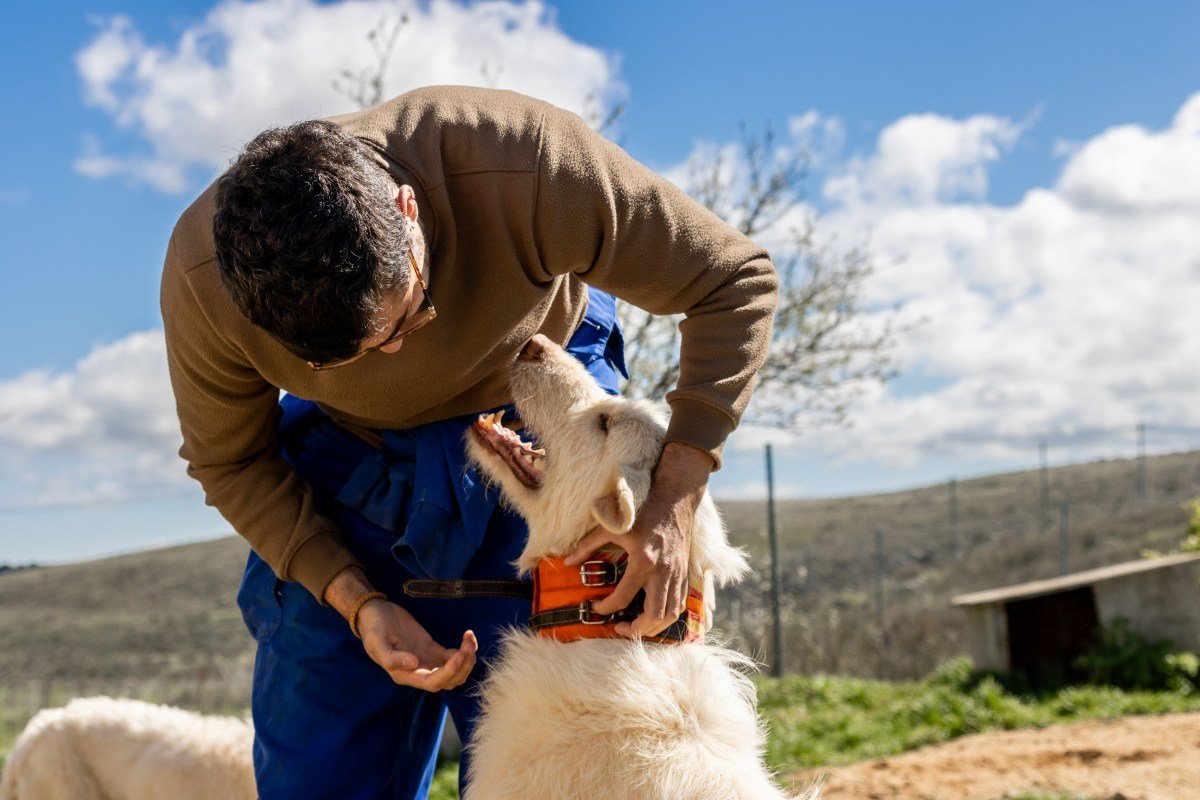
The way people live may influence their dogs’ health more than previously understood, according to new research suggesting that human lifestyles help shape the gut microbiome of their canine companions
The study, published in the journal mSystems, analyzed the gut microbiome of more than 250 dogs across Nepal, Thailand, the United Arab Emirates and the United States
Researchers examined dogs living with people with all sorts of different lifestyles, ranging from foraging and farming communities to pastoralist, urban and industrialized. The findings suggest that the environments and daily habits they share, can influence the types of bacteria living in the dogs’ digestive systems
Aashish R. Jha, co-author of the study and assistant professor at New York University Abu Dhabi, told Newsweek that diet and environmental exposure are likely to be particularly important
What dogs eat, whether they spend most of their time indoors or outdoors, their interactions with other animals and the environments they encounter can all affect the microorganisms they are exposed to, he said
“For example, dogs living in foraging and agricultural communities may consume household-prepared foods and interact regularly with livestock and soil, whereas household pets in industrialized settings often consume commercially prepared diets and live in more controlled environments,” he said
…
However, because these factors tend to occur together, the study could not determine which individual factor is most important
The gut microbiome is a complex, living community of microorganisms, including bacteria, viruses, and fungi, that inhabit the gastrointestinal (GI) tract. In dogs, the microbiome does much more than help digest food
A balanced gut microbiome can help the immune system recognize and fight harmful pathogens. It has also been linked to stress regulation and anxiety. Meanwhile, an imbalanced microbiome can be associated with problems including diarrhea, nausea, skin conditions, food sensitivities, ear infections and inflammatory bowel disease
However, researchers say there is no single definition of a normal or healthy gut microbiome that applies to every dog
According to Jha, differences between dogs living in very different environments may reflect their diets, environmental exposures and ways of life rather than differences in health
“We should therefore be cautious about treating the microbiome of dogs living in industrialized households as the universal reference for what a normal or healthy canine microbiome should look like,” he said
The study suggests that dogs living in industrialized settings may have a substantially different microbiome from those living outdoors or in communities where food comes mostly from farming or wild re
However, Jha said the researchers did not find a significant overall reduction in microbial diversity associated with industrialization. Instead, they observed a restructuring of bacterial communities and their predicted functional potential, and it remains unclear whether those differences are beneficial, harmful or neutral for canine health
One particularly surprising finding was that industrialization appeared to reshape the gut microbiomes of humans and dogs in different ways
“Although humans and dogs have shared environments and food systems for thousands of years, the specific bacterial groups responding to lifestyle changes were largely different between the two species,” Jha said
Geography also seemed to matter. The country in which a dog lived, along with environmental factors such as weather patterns and temperature, all seemed to contribute to differences in the gut microbiome
The researchers also suggest that lifestyle factors that may negatively affect human gut health, such as exposure to contaminated food and poor sleep, could also have consequences for dogs sharing the same environments
Jha cautioned against assuming that findings about the human gut microbiome apply directly to dogs. “This suggests that what constitutes a healthy or beneficial gut microbiome in humans may not necessarily be the same for dogs,” he said
The study did not establish whether these microbial differences determine nutritional needs or responses to medical treatments
Dr. Ambika Vaid-Sidhu, an integrative veterinarian and veterinary adviser to Badlands Ranch, cautioned that scientists are still learning what these differences could mean for dogs’ health
“Research on modern lifestyles and the dog gut microbiome is still early, so I’d be careful about drawing hard lines. What I see in practice is that dogs with less outdoor time, highly processed diets and repeated antibiotic courses often come in with digestive complaints like loose stool and gas. The gut is tied to digestion, immune health and skin, so a narrower gut community is worth paying attention to, even before we fully understand it,” she told Newsweek.
Despite the uncertainties, Vaid-Sidhu said there are simple steps owners can take to support their dogs’ gut health
“The safest way to support a healthy gut microbiome in dogs starts with the food label. Whole, recognizable ingredients and a little fiber from foods like pumpkin help support the good bacteria,” Vaid-Sidhu said
“Get your dog outside every day and let them sniff, because that’s how they meet the wider world. Make any diet change slowly over a week or two, and don’t reach for antibiotics or supplements without your veterinarian’s guidance.”
Arya Gautam et al., Industrialization restructures the domestic dog gut microbiome while preserving host specificity, mSystems (2026). DOI: 10.1128/msystems.00864-26
Contact Newsweek editors on this story: Kara Dolman and Emma Lee-Sang
