


ETV Bharat / lifestyle
The New “Wellness” Routine: Are Women Overdoing Dietary Supplements For Hormonal Health?
Women are turning to vitamins and herbal products, powders and gummies for hormonal health, but more is not always better, says Ob-Gyn Dr Ronak Khandelwal
Taking several supplements together may result in overlapping ingredients (Getty Images)
ByETV Bharat Lifestyle Team
Published :November 25, 2026 at 12:55 PM IST
Hormonal health has become a major focus of wellness conversations. Social media is filled with advice on supplements that claim to support periods, fertility, thyroid function, energy, weight management and menopause. While some women may genuinely need nutritional supplements, taking multiple products without understanding their ingredients or whether they are needed can do more harm than good
“Busy lifestyles, restrictive diets and concerns about hormonal changes can encourage women to look for quick solutions. Online wellness trends may also make supplements appear harmless simply because they are marketed as ‘natural’. However, hormonal symptoms such as irregular periods, acne, hair loss, fatigue, weight changes or mood fluctuations can have many possible causes. Taking a supplement without identifying the underlying problem may delay the right diagnosis,” says Dr Ronak Khandelwal, Consultant – Obstetrics and Gynaecology, Motherhood Hospitals, Greater Noida.
She further adds that supplements can have an important role when there is a confirmed deficiency or a specific medical need. For example, certain women may require iron, vitamin D, vitamin B12, folic acid or other nutrients based on their health, diet, life stage or laboratory results. During pregnancy or while planning pregnancy, some supplements are routinely recommended under medical guidance. The dosage and duration, however, should be individualised. The key is to take a supplement for a reason rather than simply because it is popular online.
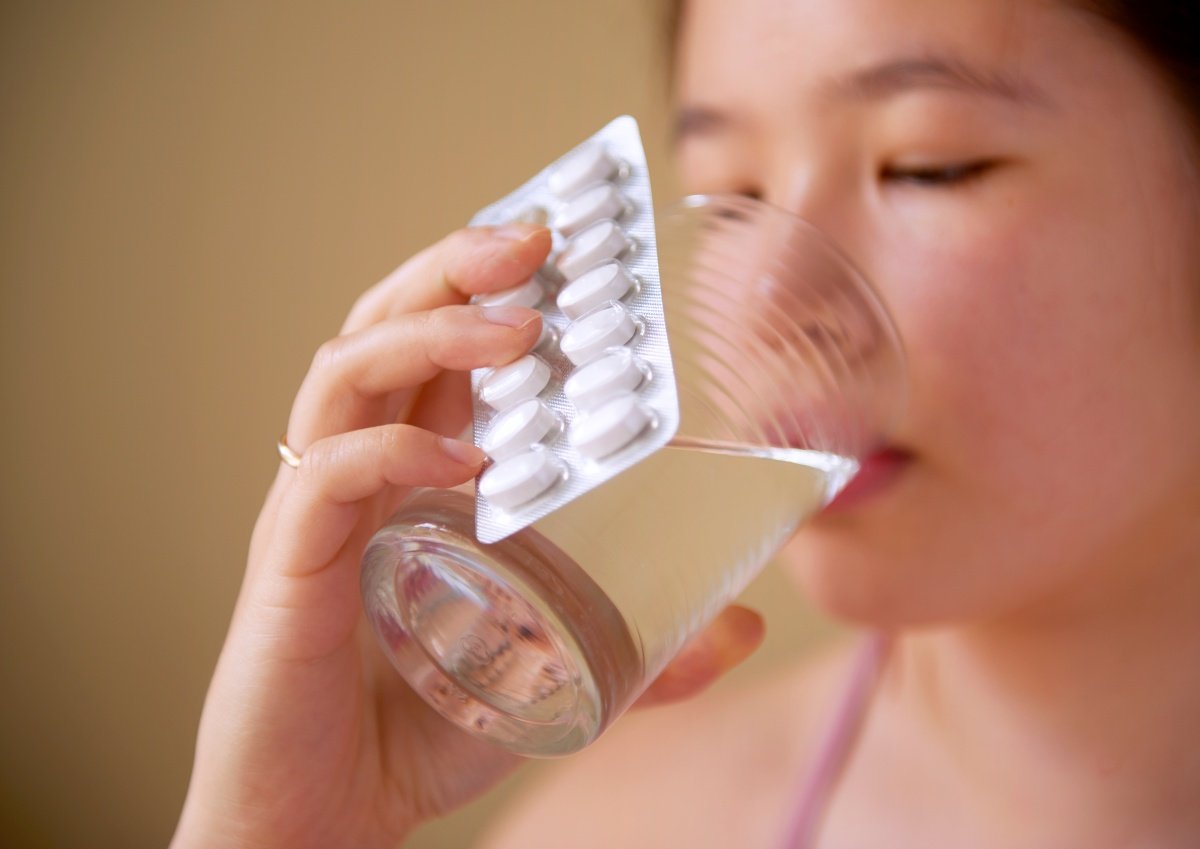
The key is to take a supplement for a reason rather than simply because it is popular online (Getty Images)
Why It Could Be A Problem
Vitamins and minerals are necessary for women, though excessive intake can lead to many problems. Dr Ronak Khandelwal shares the reasons:
- Taking several products together may result in overlapping ingredients, leading to unnecessarily high doses.
- Herbal and “hormone-balancing” products can also interact with medicines or may not have enough evidence to support the claims made about them. “Natural” does not automatically mean safe.
- Women should be particularly cautious about products promising to “reset hormones,” “detox the body,” or treat multiple hormonal conditions without medical evaluation.
- A balanced diet should remain the foundation of nutritional health. Adequate protein, fruits, vegetables, whole grains, healthy fats and sufficient hydration can provide many essential nutrients.
“Persistent irregular periods, severe menstrual pain, unexplained weight changes, excessive hair loss, ongoing fatigue, fertility difficulties or other new symptoms should not simply be treated with supplements. A gynaecologist can evaluate the symptoms and tell if hormonal testing or other investigations are needed. Supplements can be beneficial for women when there is a genuine nutritional or medical need. However, taking several products simply because they promise better hormonal health is not beneficial,” says Dr Ronak Khandelwal.
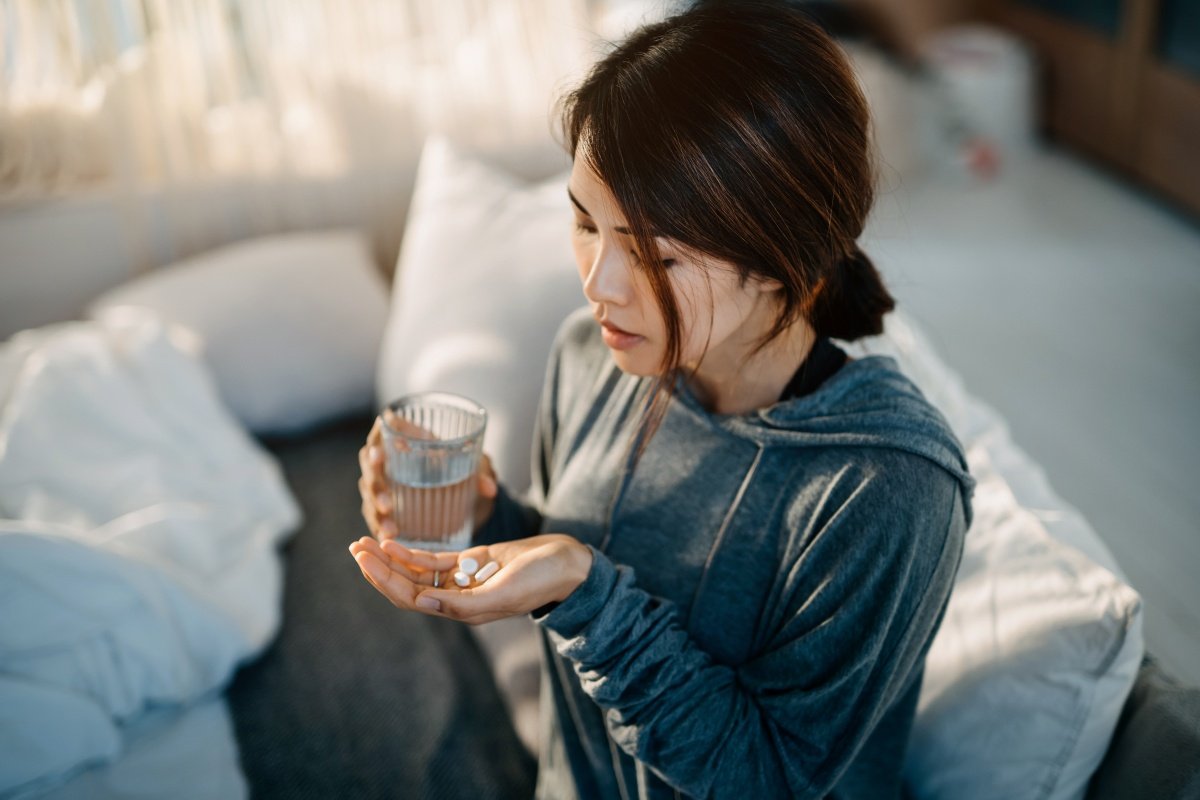
Avoid taking self-prescribed high-dose supplements (Getty Images)
Avoid taking self-prescribed high-dose supplements and discuss your individual needs with the doctor. When it comes to hormones, finding the reason behind a symptom is crucial instead of adding another bottle to the wellness shelf
Also read:
