


5 Uncomfortable Truths About Wearable Tech
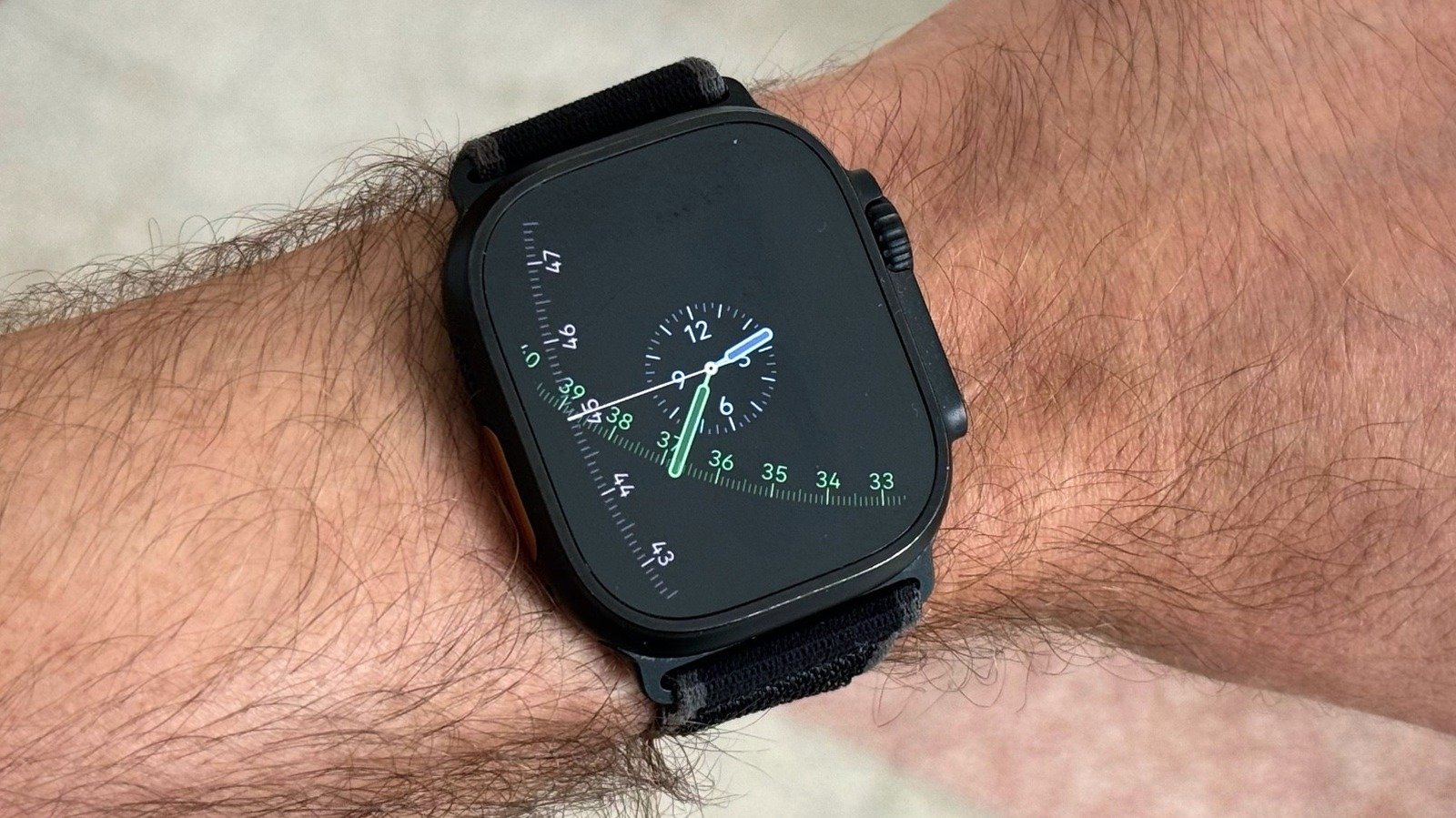
Wearables have become an add-on in our daily tech lives. While customers get more addicted to their phones, this doesn’t necessarily translate into more phone purchases. As companies seek to diversify their revenue streams, the wearable accessory market has exploded in recent years. Devices like Apple Watch, AirPods, and smart rings have become increasingly popular, but they also have downsides. There are concerns, like the e-waste cycle these non-upgradable devices offer, and how little they actually know about our health data.
While I do use AirPods and an Apple Watch every day, in addition to third-party health apps to help me make sense of my data, I’m always feeling more reliant on that information, even though I could also be assessing how I feel, how rested I am, and so on. That said, it’s not just me who might be falling into another gamification of closing my rings, meeting unrealistic goals, and getting paranoid every time I forget to sleep with my watch on, which makes me lose important data about my vitals.
Wearables are useful in many situations, but it’s important to understand that, as with any technology, there are both benefits and drawbacks. Here are some uncomfortable truths about wearables and why we should take these technologies with a grain of salt
A tracker can’t change your behavior
Alina Mosinyan/Shutterstock
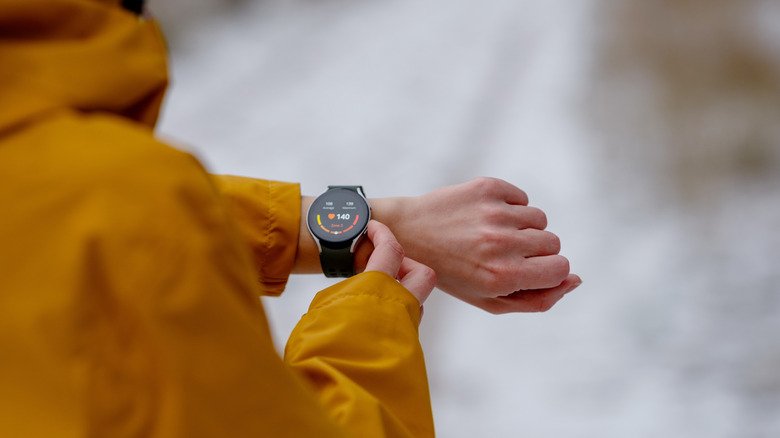
I’ve been wearing an Apple Watch for almost ten years. Like most Apple Watch users, I thought that getting an Apple Watch would be a great way to become fit. After all, I just need to set a minimum goal, walk for at least 30 minutes a day, get up every hour for a minute (or just shake my arm to trick the algorithm), and I’ll become a healthier person, right?
Well, no. From 2017 to at least mid-2020, I can assure you I was far from being a healthy person. I tried walking. I tried cycling. But I have always been very inconsistent. Worse than that, Apple Watch’s notifications telling me I was behind schedule, or I should stand up again, or maybe instead of praising me for a really good activity, it just wanted me to do it all over again the following day, didn’t put me in the mood to become a healthier person.
That said, it took a change of mind for me to realize that if I didn’t get my life together at 25, then at 30 it would be way harder. The Apple Watch was such a great tool when I actually decided to start working out and tracking my data, but before that, it was just a constant reminder that I didn’t have the proper mindset to prioritize myself, which means a wearable can be a great tool when you’re already in the process, but it’s not the first step.
Fitness gamification can be bad
José Adorno/BGR
How to keep you hooked on a smartwatch or a smart ring? Gamify the experience. Rings, streaks, motivational phrases, trophies — you name it. In a way, this toxic goal of being so focused on fitness has the same effects as getting a match on a dating app or getting noticed by people on your latest social media post. However, once you don’t meet the criteria, once you’re not as fast, as strong, or you don’t beat a score, then the gamification is horrible.
For example, I track my workouts, as well as the amount of water I drink each day and my sleep. Like many people who are also really into their health data, we understand that all of this just gives us anxiety because we might be behind our water goal, the amount of required sleep to have a full recovery, or, again, life might happen and we won’t be able to close this long streak of perfectly filled rings.
Gamification works for a reason: It hooks you on something (like people and their endless Duolingo streaks), but it doesn’t mean it’s actually making you a healthier person, or actually helping you. On the contrary, sometimes it just looks like you’re doing amazing, but all you can say is that “the Apple is on the table.” That said, when wearables focus too hard on gamification, not only is the product you, but it may also not help you meet the goals you actually have.
Sometimes, you’re leasing your own data
Erman Gunes/Shutterstock
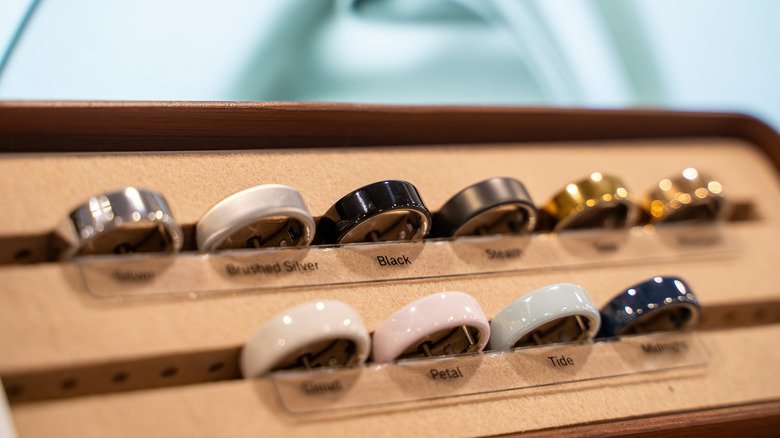
Depending on the wearable that you use, a subscription might be required to unlock the full potential of the sensors. As soon as your free trial ends, or if you decide not to pay for the subscription, you’re locked behind a paywall. Information that was so helpful for your daily life gets trimmed to just show you basic health scores, or sometimes it just stops syncing and recording your data until you decide to pay extra.
While Apple doesn’t do that with its users, the company forces you to wear an Apple Watch at all times. For example, if you have a paired Apple Watch but leave it behind, the iPhone won’t count the number of steps you took that day. While the company is now touting that users can work out with an iPhone and AirPods, it always expects customers to have one more device. After all, if it can’t keep your information up to date, how can it offer a proper gamification of your health?
Besides that, once a tech company decides the device you have is no longer useful or accurate enough, it can just stop supporting it. When it does, you’ll have to buy a new one, or you might not be able to continue getting the information that was being provided by your otherwise perfectly working wearable
Calories counting is a wild guess

Yaroslav Astakhov/Getty Images
That’s an uncomfortable truth even for me, but the fact is that to this day, fitness trackers are terrible at accurately measuring calories burned. While a Stanford study says these trackers are great at measuring heart rate, they cannot be trusted to measure calories burned. Of all the tested smartwatches, the best ones were off by around 27 percent. However, some others were off by 93 percent. With that, you might be thinking that you made an extra effort while you haven’t — or even worse, the tracker might tell you you didn’t do enough when you actually did.
While Stanford’s data is almost a decade old, a more recent study conducted at Harvard continues to use the same data and proposes a machine learning model to interpret leg motion using a specific device. That said, customers should be aware that the information available with these wearables can’t be taken as set in stone. In the same way fitness trackers don’t know the amount of calories burned, they can’t tell how rested you are or actually how stressed or good with life you’re feeling. The issue is that those numbers represent a population’s average, but they don’t account for everyone — even though we all have unique bodies. This way, relying too much on health data from wearables can be worse than just going outside and practicing some regular workouts for your well-being.
There’s an environmental e-waste cycle
everwinner/Shutterstock
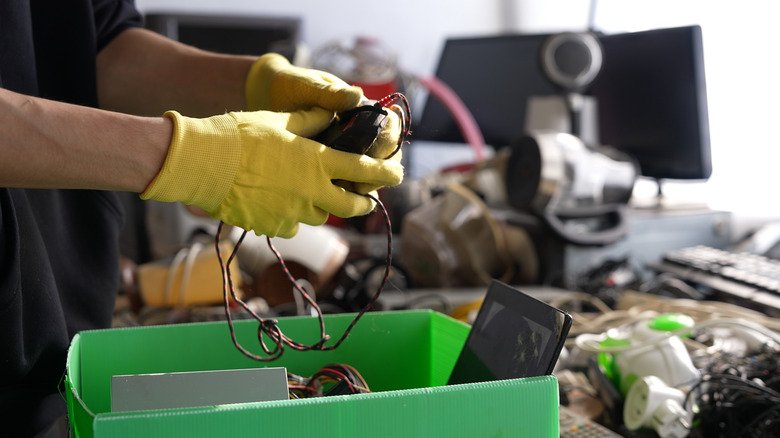
Some wearables can have a battery replaced. For example, Google recently set a new standard with its latest smartwatch, which got a higher repairability score from iFixit. But once you compare this device with the market’s reality, the story is different. Replacing Apple Watch components is hard, and it’s pretty much impossible to repair earbuds or smart rings. This way, once these devices reach their lifespan limit of a couple of years, users are left with a simple choice: Discard the products and buy them all over again.
Add to that the fact that the industry keeps releasing new products, and resale for wearables is not ideal, with subscription models the focus of so many wearable brands. Customers are just contributing to an environmental e-waste cycle, as these devices don’t last long enough and companies want us to keep updating them to new ones. For example, imagine buying a two-year-old pair of AirPods; you’d basically be paying for barely functioning earbuds.
Even though you could still buy second-hand wearables, what can you do when a company like Apple announces that some smartwatches released less than four years ago won’t get the latest watchOS 27 software update because they don’t have a chip powerful enough to out
