


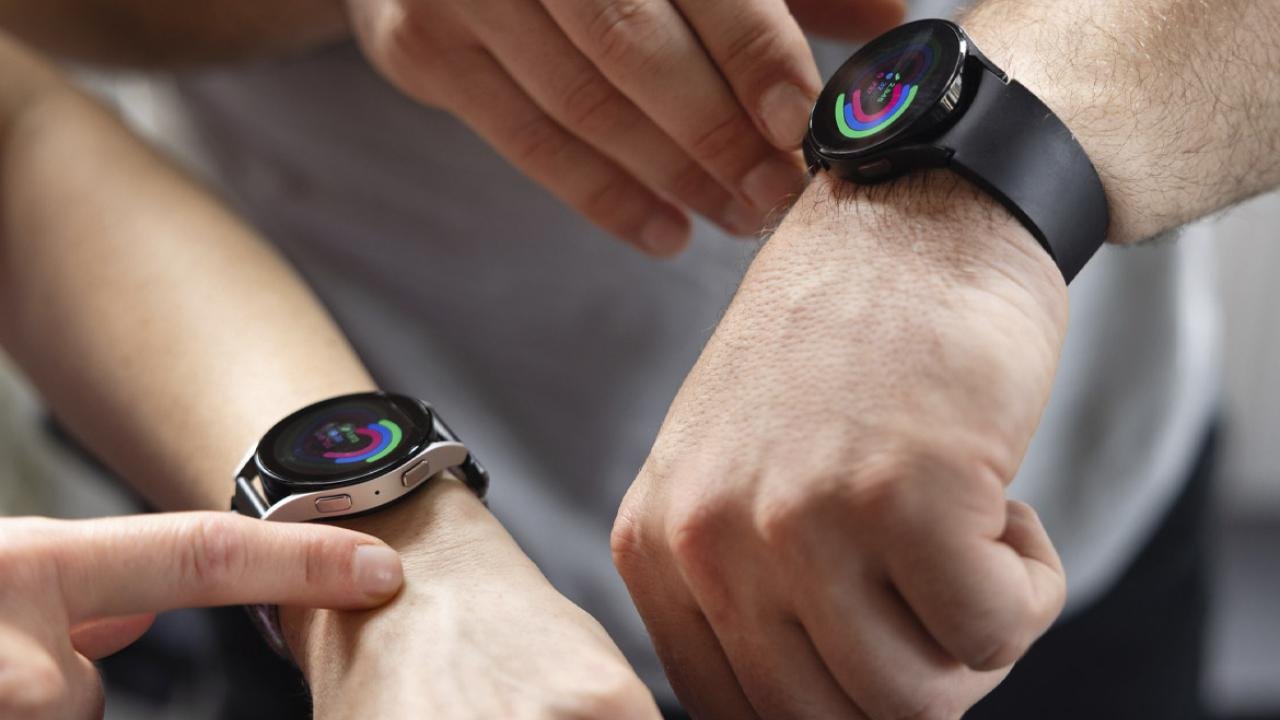
A 2026 survey of more than 2,200 physicians in the U.S. and five other developed nations by the AMA and Medscape shows that doctors are generally interested in wearables and how the data they collect can be used to help manage patient care.
Yet concerns about payment, medical liability, the evidence base, and effective clinical integration are holding back widespread, routine use of the mountains of data being collected by smartwatches, fitness trackers, smart rings and other wearable technologies that measure patients’ waking and sleeping hours.
While these factors vary by country and have a big influence on doctors’ use of wearable data in patient care, physicians’ “specialty adds a second layer” to the analysis, says the “AMA Multi-Country Study on Consumer Wearable Data in Clinical Practice.”
“When physicians find wearable data to be more relevant to their specialty, they also tend to show higher workflow integration and use in clinical practice,” says the study
From January to March, researchers surveyed physicians in the U.S., the United Kingdom, Canada, Germany, France and Spain. Across the six countries, physicians are personally using wearables at a high rate, with 82% using a smartwatch, fitness tracker or something else
Direct experience among physicians matters
In the U.S., 82% of doctors also saw an advantage to personal use of wearables. Another 77% said they could see advantages to patient care from wearables. Figures were roughly similar across countries, with Spain’s physicians being most enthusiastic: 89% saw personal pluses to wearables and 82% reported a patient-care upside
“Heart physiology, activity and function, events and alerts, and sleep are the data categories that physicians most often encounter, although the exact mix varies somewhat by country,” says the study. “Spain is the outlier, having more physicians who reported reviewing oxygen and breathing, sleep and glucose/metabolic data.”
Nine in 10 British physicians reported reviewing wearable data “at least sometimes,” to lead the pack, though more than 85% of doctors in all six countries said they reviewed wearable data.
Other key findings from the study are that:
- Patients are not yet regularly requesting review of data from their wearables, but when they ask, physicians typically act.
- The integration of data from wearables into clinical practice or workflows is in early transition and countries differ in how far along that transition is.
- Country-level differences reveal that beyond payment structures, other factors influence integration into clinical practice. These include physician enthusiasm and concerns about legal liability.
- Moving physicians toward integration of patient-generated wearable data requires coordinated investment in resolving concerns about implementation and data credibility and augmenting clinical skills.
“Physicians are seeing more wearable data in their daily practice and recognize its significant potential to improve clinical decision-making,” AMA President Willie Underwood III, MD, MSc, MPH, said in a statement. “Across six advanced economies, however, intertwined regulatory, reimbursement and implementation barriers leave potentially transformative data from being fully integrated into routine practice.”
Dr. Underwood added that “physicians are confident that wearable data can enhance diagnosis, disease management, and patient engagement, but broader adoption depends on stronger clinical validation, clearer payment and liability frameworks, better tools for interpreting data and workflows that fit seamlessly into clinical practice. Addressing these challenges will help unlock the full value of wearable technology as a trusted component of modern healthcare.”
The study includes detailed recommendations for physicians, policymakers, and medical device and health IT innovators on how to better integrate wearable health data into clinical care
From AI implementation to digital health adoption and EHR usability, the AMA is fighting to make technology work for physicians, ensuring that it is an asset to doctors. That includes the AMA Center for Digital Health and AI, which works to ensure physicians help shape how AI is developed, implemented and regulated across the healthcare system, with patient safety and physician-led care remaining at the center of those efforts.
Delving into the specialty layer
There were notable differences reported by physicians, depending on the country in which they practiced. For example, 42% of German physicians reported weekly patient requests for wearable data reviews, compared with only 32% among U.S. doctors.
That having been said, physician specialty plays a significant role in doctors’ enthusiasm for—and use of—wearable health data in patient care, according to the AMA-Medscape study, which drew respondents from primary care specialties as well as cardiology, endocrinology, neurology and pulmonology
“Although the main message in this report is international variability in integration of data from wearables, specialty remains an important second lens,” says the study. “Cardiologists and endocrinologists review wearable data more often and in more clinically relevant categories than do other types of physician.
Those specialties were also more likely to report that wearable data offer clinical value and were more likely to say the data were feasible to use during a routine visit. Primary care physicians … neurologists, and pulmonologists also engage with wearable data, but they reported more limits in relevance, confidence and practicality.”
Here is a breakdown, by physician specialty from all six countries, on whether doctors reported reviewing wearable health data at least sometimes:
- Cardiologists—93%.
- Endocrinologists—91%.
- Primary care physicians—89%.
- Pulmonologists—84%.
- Neurologists—69%.
Accordingly, cardiologists and endocrinologists were the likeliest among the specialists surveyed to say they used wearable health data on a weekly basis for patient care—at 48% and 38%, respectively. By comparison, only 19% of neurologists reported using the data each week
“Cardiologists review heart-related data and events/alerts more often than other groups do,” says the study. “Endocrinologists are more concentrated around glucose and metabolic data, along with activity and heart physiology. By contrast, other specialties are less frequent reviewers of their top categories, suggesting that wearable data use is already stratified by clinical relevance rather than evenly distributed across the profession.”
Cardiologists also were more apt to say they would integrate the wearable data into their clinical workflow in the next year, with 39% saying they would. Nearly 30% of endocrinolgoists said they would integrate the data. The shares for the other specialties were all in the low 20s
While clinical integration of wearable health data is meager across the board, the breakdown by specialty is telling:
- Cardiology—11%.
- Endocrinology—7%.
- Pulmonology—3%.
- Primary care—2%.
- Neurology—2%.
Related Coverage
With AI increasingly part of care, transparency and quality are musts
Is wearable data useful? Depends who you ask
“Specialty differences are not limited to integration and what kind and how much data physicians review,” notes the AMA study. “They also show up in whether physicians think wearable data are useful for patient care. Cardiologists and endocrinologists were most likely to report that wearables offer some or a definite clinical advantage. Neurologists, PCPs [primary care physicians] and especially pulmonologists were less likely to say the same.”
For example, while 83% of endocrinologist respondents saw an advantage in using wearable health data for patient care—more than any other specialty—only 64% of pulmonologists agreed with that sentiment. Meanwhile, 82% of cardiologists, 74% of primary care physicians and 71% of neurologists saw value in wearable data for care delivery
The specialty differences extended to physician respondents’ assessment of the feasibility of reviewing, interpreting and discussing wearable health data with patients. While a majority across specialties said doing so is only “moderately feasible,” it was cardiologists and endocrinologists who had the highest shares of respondents saying that doing so was very or extremely feasible
To wit, 44% of cardiologists and 33% of endocrinologists said it was very feasible to discuss wearable health and data and its limitations with patients. Only one-quarter of neurologists agreed
One American neurologist told researchers that “we need to have this data available prior to the clinic appointment as it takes up valuable time to obtain and interpret the data during an already busy appointment time.”
Learn more about digital health reection, providing physicians with practical advice on integrating digital health tools with in-person care

Why bipartisan agreement on Medicare payment reform means so much
Jun 30, 2026
|

New Mexico opens door for doctors with tort reforms, other fixes
Jun 26, 2026
|

Why physician well-being leaders need a seat at the table
Jun 30, 2026
|

AMA backs bill aimed at combating AI-generated deepfakes
Jun 29, 2026
|
