


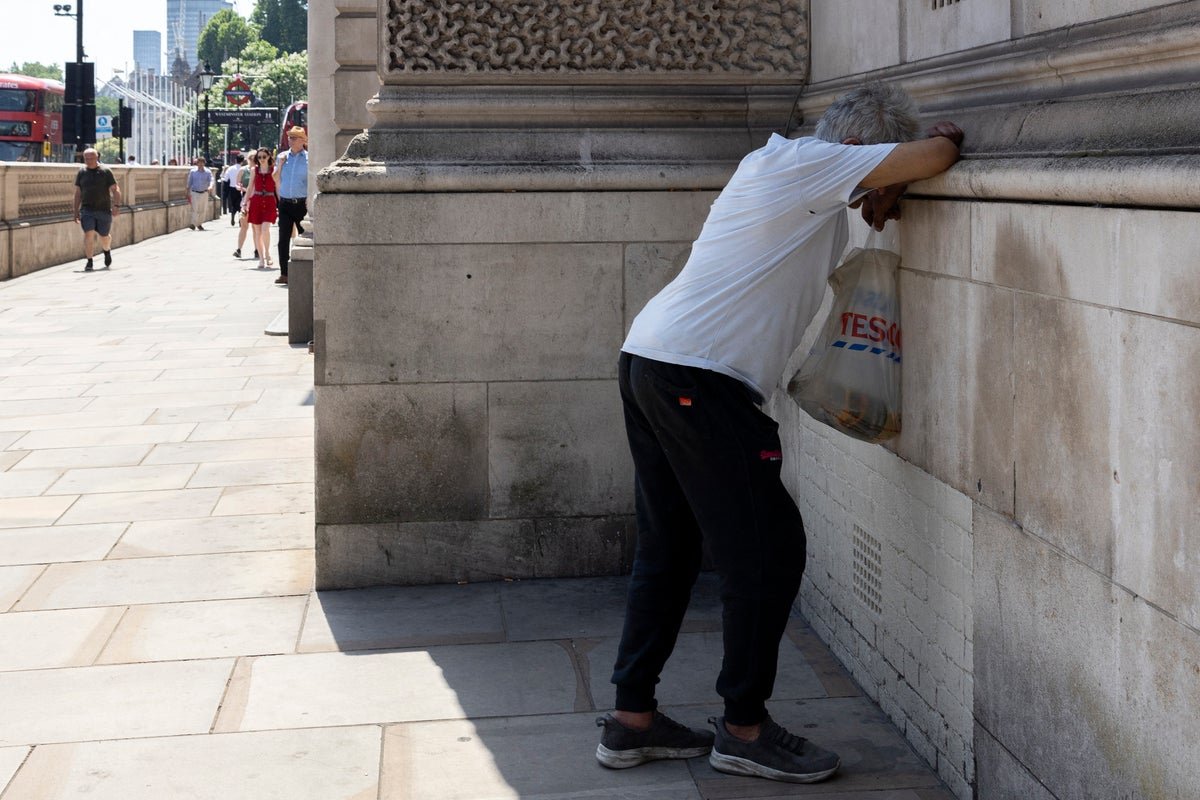
Bed sheets in the freezer, ice packs under our pillows, foil blankets over the windows to prevent the build-up of high temperatures in our bedrooms: as Britain braces itself for the third heatwave of the year – with temperatures set to reach 35C (again) – everyone without the blessing of aircon has been taking drastic measures in a bid to get a full night’s sleep
It’s unsurprising that drowsy delirium has set in. The last heatwave, from which we havebarely recovered, led to “mass sleep deprivation” across the UK, with two in three people struggling to get proper shut-eye due to the sweltering, sweaty nights, according to a recent poll of 2,135 adults, conducted by YouGov for Greenpeace
Almost half of those surveyed told YouGov that they’d lost at least three hours of sleep each night thanks to the discomfort of the tropical nights, when temperatures didn’t fall below 20C. And, with this next burgeoning heatwave predicted to last at least 10 days, we’re in for more of the sleep-deprived same, which risks a furtherdecline in our mental and physical health
As well as leaving us all feeling like we’ve been beaten up each morning, heat-induced sleep disruption creates cascading health effects, including impaired cognition, reduced immunity, and an increased risk of accidents, a scientific review concludedin January. “Vulnerable groups included shift workers, petrochemical and steel labourers, women, older adults, and low-income workers in urban heat islands and poorly ventilated housing,” researchers found.
Using data from wearable health devices, the review found that for every 1C rise in night-time temperatures, participants lost between seven and 14 minutes of sleep per night, with even worse results reported among vulnerable groups, such as elderly people and those on a low income. Additionally, reviews of the impact of occupational heat strain have documented the risk of dehydration, renal dysfunction (kidney disease), accidents, and reduced productivity.
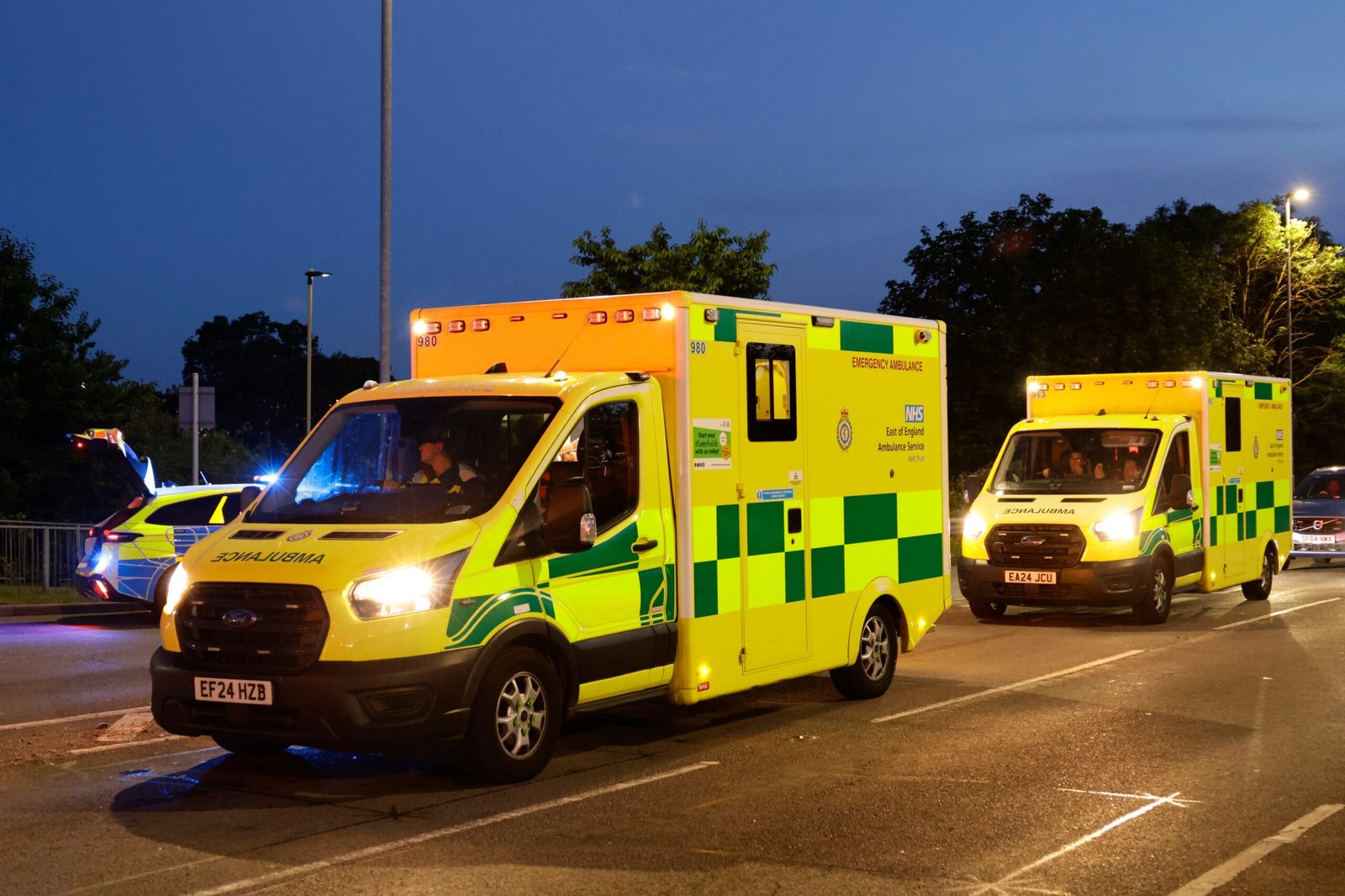
Air ambulance crews in Hampshire and the Isle of Wight, who typically respond to road traffic collisions, major trauma, and serious medical incidents that require critical care, reported an increased number of calls during the June heatwave. Similarly, the South Western Ambulance Service reported its busiest day ever on the hottest June day ever recorded last month, with incidents ranging from legitimate emergencies to sunburn and dehydration.
So how can we minimise the detrimental effects of heat exhaustion, in every sense of the word?
Usually, when we start to produce more melatonin (the sleep hormone) at night, our body cools itself down by dilating our blood vessels, so more blood flows near to the surface of our bodies to allow heat to be lost to the air. But if the air around us is hot, our cooling processes aren’t as effective, and it’s much harder to transfer heat from our bodies. We rely on a drop in core temperature to initiate and maintain sleep, so this disrupts our rest period. Additionally, if it’s also humid, our sweat doesn’t evaporate as much, leaving us sticky and uncomfortable – even when we’re fresh out of an icy cold shower.
Thankfully, there are some small tweaks people can make to their routine that’ll help to ease heat-induced sleep deprivation in the coming days. Dr Dominic Greenyer, a private GP at The Health Suite, recommends going to bed a little earlier and getting up slightly earlier, too, to make the most of the coolest part of the night, “rather than trying to sleep through the hottest hours after sunrise” when our bedrooms begin to bake.
Secondly, many of us will be experiencing an increased craving for sugary, high-calorie foods, rather than nutrient-dense products, because the hormones that regulate our appetite are disrupted. We’ll also be craving salty snacks, as these can help with dehydration – but go for olives in brine or a handful of almonds rather than that bowl of ultra-processed crisps
Trying to catch up with a litre of water just before bed usually means repeated trips to the toilet overnight. It’s much better to drink regularly throughout the day so you’re well hydrated by the evening
Dr Dominic Greenyer, GP
Food choices can also make a difference, as rich meals late in the evening generate more heat as your body digests them, which can make it harder to sleep. “During a heatwave I’d lean towards lighter evening meals with plenty of vegetables, salad, and a source of protein such as fish, chicken, eggs or beans. Foods with a high water content, like cucumber, watermelon and tomatoes, can also help contribute to your hydration,” Greenyer says.
Additionally, it’s important to hydrate throughout the day, rather than glugging gallons of water at midnight when you’re already deeply dehydrated and have a horrible headache. “Trying to catch up with a litre of water just before bed usually means repeated trips to the toilet overnight,” Greenyer says. “It’s much better to drink regularly throughout the day so you’re well hydrated by the evening, then just sip water if you’re thirsty before bed.”
This doesn’t mean you should cut out carbs – or any other products – altogether, though. “Eating enough during the day, and avoiding going to bed overly full, is generally much more important than eliminating any one food group,” he explains
Although nutrition does have an impact on how easy it is to get off to sleep, equally important is making the bedroom environment as comfortable as possible. “Keep curtains or blinds closed during the day, open windows once the outside temperature drops, use a fan if you have one, and choose lightweight cotton bedding,” Greenyer says

Leeds influencer Megan Jackson ditched her bed altogether and went to sleep in her garden during the last inferno. “It’s like 40C and I’ve got no fan,” the 26-year-old explained on TikTok. “So, I’m sleeping outside. It’s really peaceful, and I’m cool.” Eight hours later, she awoke after the “most comfortable and peaceful sleep” she’d ever had. “I barely moved,” Jackson enthused, conceding that her hayfever had, however, been totally horrendous.
“Even simple measures like taking a lukewarm shower before bed, or placing a cool flannel on the back of your neck, can help your body lose heat more effectively and make falling asleep that little bit easier,” says Greenyer
But if those options fail, you can give the garden a go
