


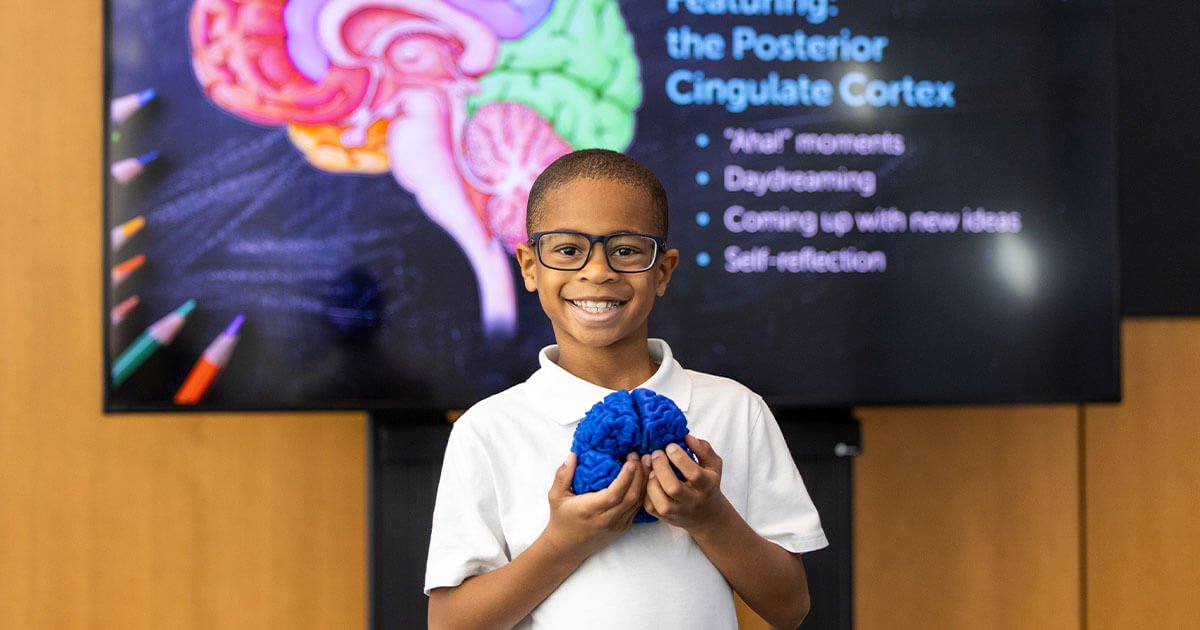
On most days, eight-year-old Shawn Letford is balancing the same things many children his age juggle: homework, family life, and hobbies like playing Rubik’s Cube. But Shawn also spends time speaking to audiences about healthy brain development, neuroscience, emotional intelligence, and creativity—topics most adults rarely discuss, let alone explain to children
“The brain is the most powerful thing we have, but most people don’t learn about it until they’re adults. I want everyone to know that their brains are amazing and worth protecting,” says Shawn.
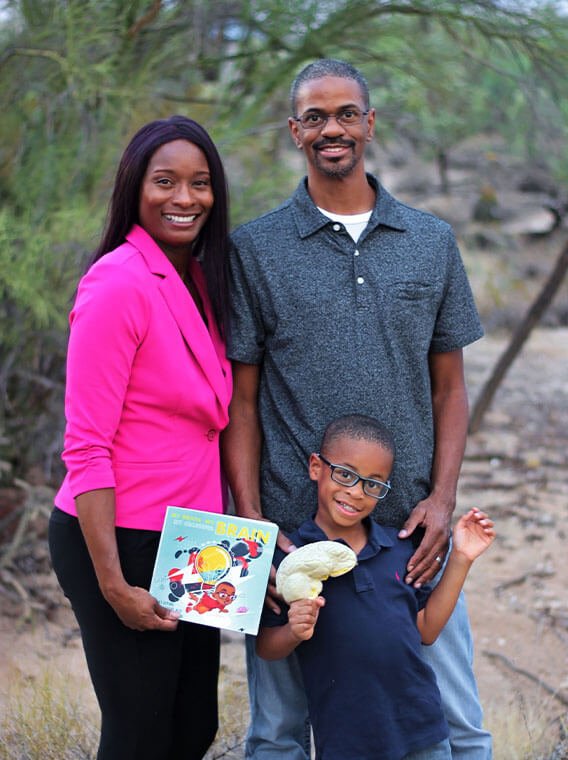
Known as “The Creative Kid,” Shawn is the young force behind Brainolicious Adventures™, a nonprofit organization focused on helping children and families better understand brain health. Alongside his parents, Genein and Shayne, Shawn is helping make neuroscience approachable, engaging, and empowering for kids through books, music, school programs, and speaking engagements across the country.
“Shawn loves helping children understand that they are creative and capable of inventing anything. He also enjoys reminding older people to still use their imagination, try new things, and think beyond limitations. ‘Do new stuff with new people’ is his mantra,” says Genein
As conversations around mental wellness and cognitive health continue to grow nationwide, the Letford family believes brain health awareness and education should start much earlier—in childhood. Experts agree that childhood is a critical window not only for developing brain-healthy habits, but also for helping children understand why those habits matter.
“The brain remains [changeable] throughout life, and adolescence brings another major wave of remodeling. But the early years establish the base layer, the neural infrastructure that everything else is built upon,” says Rana Said, MD, FAAN, a neurologist and epileptologist at Children’s Medical Center in Dallas, TX, and a member of the AAN Brain Health Committee. “Think of it like the foundation of a house. You can renovate later, but the foundation determines what the structure can support.”
Today’s world is increasingly centered around a growing “brain economy,” where brain health, creativity, and emotional intelligence play a major role in innovation and future success. As rapid changes like the digital revolution reshape society, lifelong brain health and resilience are becoming essential for long-term well-being and adaptability, according to the McKinsey Health Institute. The institute reports that brain-related disorders currently cost the global economy an estimated $5 trillion annually, with costs projected to rise dramatically by 2030. Those numbers highlight why supporting healthy brain development in children matters not only for individual families, but for society as a whole, and why organizations like Brainolicious play an increasingly important role.
Making Brain Science Accessible for Children
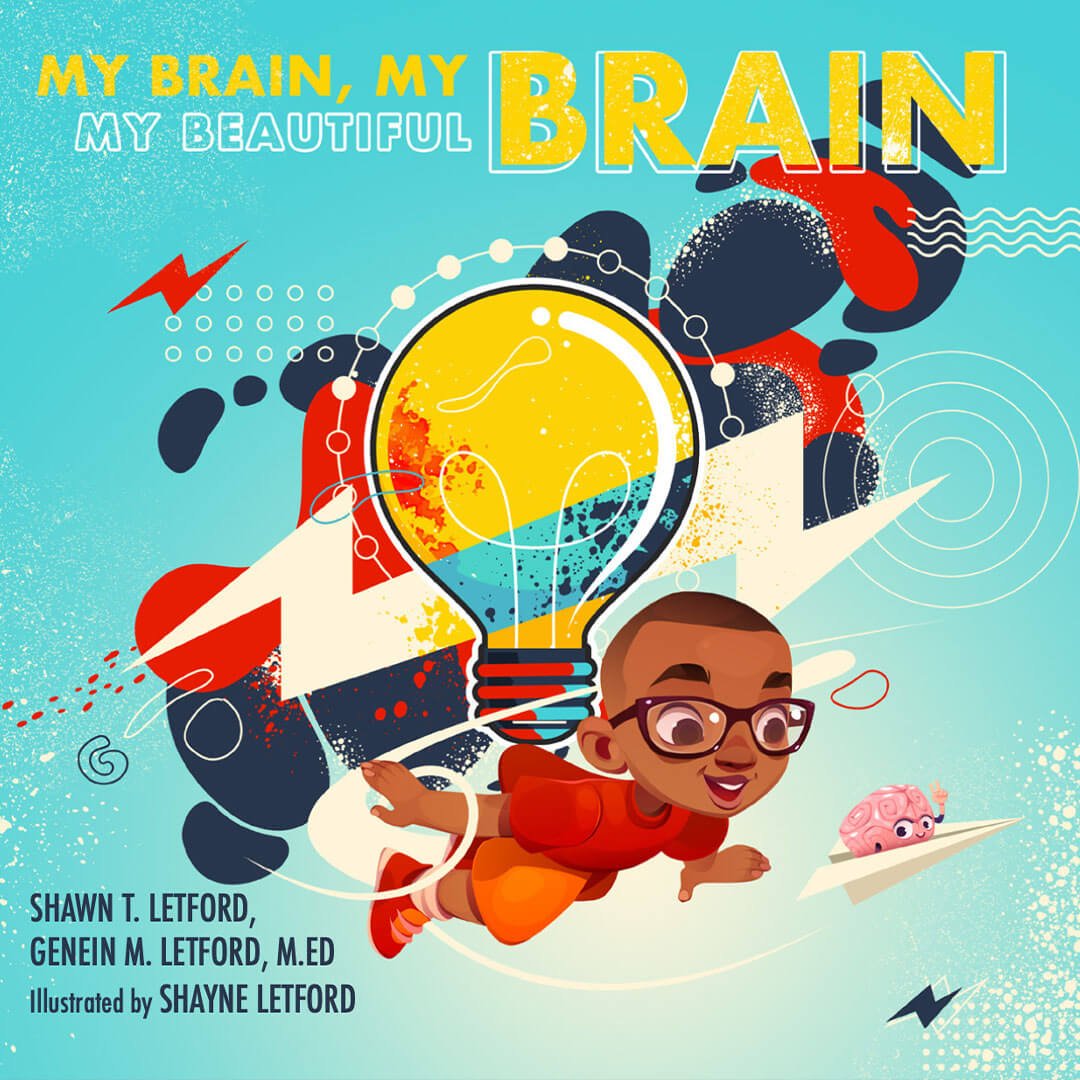
Brainolicious’ projects include the 2023 book My Brain, My Brain, My Beautiful Brain, co-written by Shawn and Genein, and illustrated by Shayne. The children’s book introduces the brain’s six major parts and their roles in memory, movement, emotion, and learning. The second half explores eight types of intelligence, including emotional, musical, logical, and spatial, to help children realize that intelligence isn’t one-size-fits-all and that everyone has unique strengths.
Genein, an award-winning teacher, plays a major role in shaping the organization’s educational programs and outreach efforts. “One of my students once said, ‘music and math—and a lot of things—are more squishy in real life.’ That idea stayed with me because neuroscience now confirms the brain learns more deeply through multisensory, experiential learning,” says Genein. “When multiple senses are engaged, understanding and recall improve. Since human beings are multidimensional, learning should be multidimensional too.”
Small Daily Habits, Big Brain Impact
Taking care of our brains isn’t just something to worry about when we get older, it needs to be a lifelong journey that starts in childhood. While genetics play a role in dementia, landmark research from The Lancet Commission reveals that nearly 45% of global cases could actually be prevented or delayed by managing specific health and lifestyle habits throughout our lives. When we teach kids how their brains work, we help them build healthy routines during the peak windows when their minds are growing fastest. There are many ways to help support healthy brain development at home.
“The habits a family establishes in the first five years—sleep routines, nutritional patterns, the quality of emotional interactions, exposure to language and play—create neural pathways that become increasingly efficient through repetition. The brain strengthens connections it uses often and prunes those it doesn’t, a process that accelerates during adolescence. Early patterns, both healthy and unhealthy, become physically embedded in the brain’s wiring,” says Dr. Said.
Everyday, regular experiences in childhood have lasting effects on brain structure and function. While repeated family routines physically and cognitively shape neural pathways, the importance of human interaction and play for long-term brain health cannot be overstated
“Humans are social beings and children learn best from interactions with other humans, especially those they trust most. Early development is best supported through interactions with caregivers through reading, conversation, and play,” says Dara Albert, DO, FAAN, a pediatric neurologist and epileptologist at Nationwide Children’s Hospital in Columbus, OH. “As children get older, peer interaction and play, especially imaginative play, helps children learn to problem solve, learn emotional regulation, improve executive function, and develop social skills.”
Dr. Said highlights three simple, high-impact strategies families can adopt to support a child’s brain health:
- Respond to your child. Not perfectly or instantly, but reliably. When you notice and respond to their sounds, gestures, questions, or expressions, you build “neural scaffolding.” The brain learns that communication works, the world is predictable, and relationships are safe. This simple pattern shapes stress regulation, attachment, and lifelong learning—and it costs nothing while outperforming most educational tools.
- Protect their sleep as if their brain depends on it—because it does. Deep sleep clears metabolic waste, and REM sleep consolidates learning and memory. A child who is chronically sleep-deprived is trying to learn with an unprocessed brain. Keep consistent bedtimes, limit screens before bed, and generally, try to avoid electronics in bedrooms, and support independent sleep skills.
- Let them struggle a little.Removing every obstacle prevents the brain from building resilience. Growth happens through “tolerable stress”—manageable challenges experienced with a supportive adult nearby. This is how the brain strengthens emotional regulation, frustration tolerance, and problem-solving. Let them try, let them fail at times, and stay present so they feel safe while doing it.
Young Advocate With a Big Platform
While Brainolicious focuses heavily on educational re his public speaking. He has spoken at schools, conferences, and national events with his mom
“I noticed very early on that Shawn was fearless when it came to speaking in front of people. He genuinely loved sharing creativity with others. He did his first speaking engagement at a Barnes & Noble event at four years old during the release of our book, My Brain, My Brain, My Beautiful Brain. Since then, he has appeared on the news several times and was even asked to participate at the Science Summit at the United Nations General Assembly,” says Genein.
This year, Shawn helped establish the first Brain Capital Awareness Month in Phoenix, AZ, bringing attention to the growing global conversation around brain health and cognitive well-being
On July 22, 2026, recognized globally as World Brain Day, Shawn and his mom plan to gather educators, advocates and community leaders at the Arizona State Capitol to discuss brain health, youth development and ways communities can better support future generations
The event reflects a broader shift happening across healthcare, education and business sectors, where brain health is increasingly viewed as both a wellness issue and an economic priority
The Letford family hopes Brainolicious will continue expanding its reach through school partnerships, family relong-term goal is to help normalize conversations about brain health for children and encourage families to view emotional wellness, creativity, and cognitive development as interconnected parts of overall health
As awareness around brain health continues growing, Brainolicious is helping introduce a new generation to concepts that many adults are only beginning to understand themselves
For Shawn, the mission is simple: helping children realize their brains are something worth learning about, protecting, and celebrating. “The more we understand our brains, the more we can understand ourselves and each other,” he says
