
When Olisn’t looking for another volunteer opportunity
She was looking for a place where she could simply be herself
“I was looking for a space where I could grow and be with my own community,” says the 17-year-old Sacramento resident. “Specifically Black people and people my age where we’re cultivating healing.”
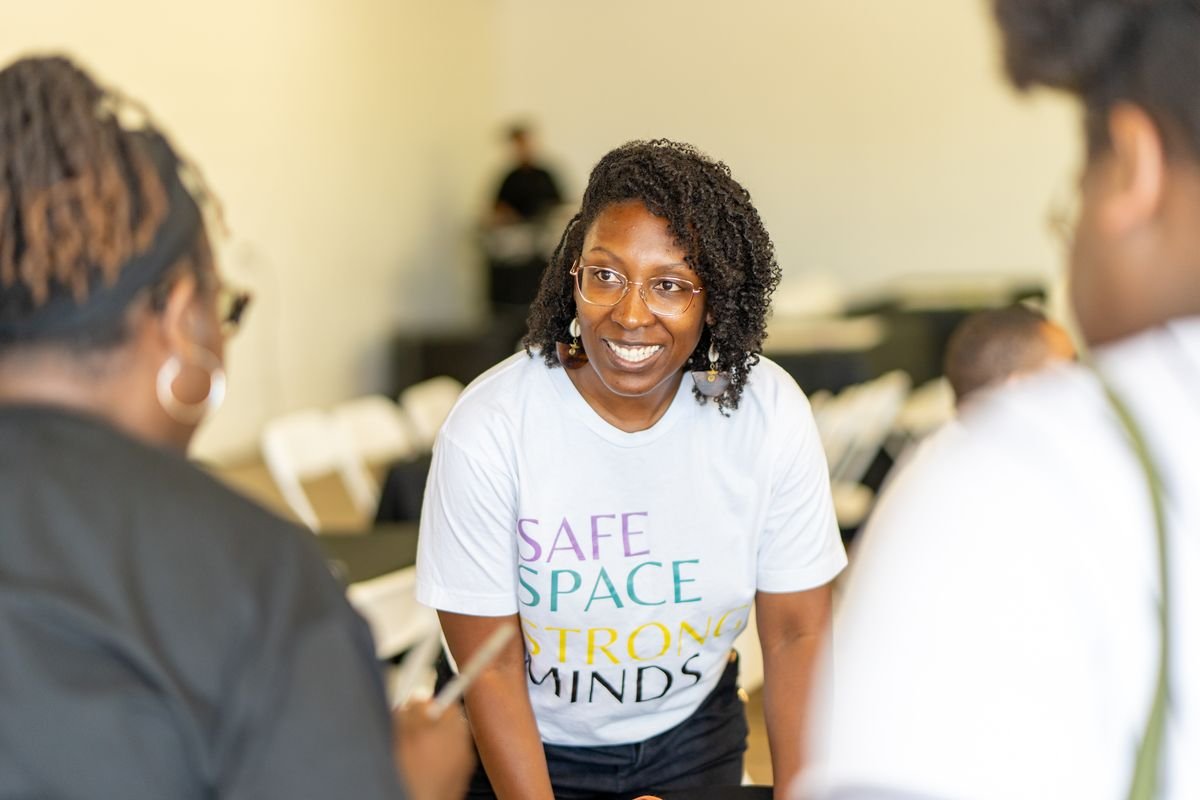
That search eventually led her toGen Z Speaks Wellness, an initiative of the California Black Women’s Health Projectthat brings together Black young adults for healing circles, conversations, and community events centered on mental wellness
For many young Americans, mental health is a defining generational issue
According to the Centers for Disease Control and Prevention, 4 in 10 U.S. high school students reportedcontinuous feelings of sadness or hopelessnessin 2023, nearly 3 in 10 reported poor mental health, and 1 in 5 seriously considered attempting suicide. The agency also found that frequent social media use was associated with higher rates of bullying, sadness, hopelessness, and suicide risk among teens.
The crisis also is evident in California
According to the California Department of Education, the COVID-19 pandemic leftmany students facing prolonged social isolation, contributing to increased risk of anxiety, depression and suicidal behaviors. Those challenges have prompted renewed investment in community-based mental health programs designed to reconnect young people and reduce stigma
Such need inspired Gen Z Speaks Wellness
The Sacramento-based initiative, funded by the California Mental Health Services Authority, creates culturally affirming spaces where Black youth ages 17-25 can talk openly about mental health, identity, relationships, and community, not through formal therapy, but through healing circles, intergenerational dialogue, and similar cultural experiences. The program is free and open to Black youth and young adults.
The need for programs like Gen Z Speaks Wellness comes as Black youth continue to face significant mental health challenges
According to the Substance Abuse and Mental Health Services Administration, suicide rates among Black youth ages 10 to 24increased by 36.6% between 2018 and 2021, and suicide became the third leading cause of death for Black youth in 2021
The agency says many Black young people also face barriers to accessing culturally responsive mental health care, underscoring the need for community-based approaches that reduce stigma and encourage connection
For Dominique Greene-Paxton, Northern California program manager for the California Black Women’s Health Project and the initiative’s leader, wellness extends far beyond not having an illness
“It’s holistic,” Greene-Paxton says. “It’s recognizing that we’re going to have highs and we’re going to have lows, and knowing what coping strategies we have when we’re in those lows.”
Instead of providing clinical mental health services, the organization connects young people with therapists and community re judgment
One of those conversations centers on something nearly every young person experiences: social media
Greene-Paxton says participants consistently identify technology, cyberbullying, and the pressure of constant online engagement as some of their biggest stressors
Instead of just telling young people to log off, the initiative motivates them to rethink their relationship with technology. Participants have proposed social media fasts and offline community meetings where phones take a back seat to face-to-face conversation
“We all need breaks,” Greene-Paxton says
Unlike many youth programs, Gen Z Speaks Wellness intentionally brings together different generations
Healing circles include young adults alongside elders, creating opportunities to discuss topics ranging from relationships to identity and the ways historical trauma keeps shaping Black communities
Greene-Paxton believes those conversations challenge and dismantle stereotypes generations commonly hold about one another and remind participants that healing is a joint effort
For Zoe, one conversation changed the way she viewed other young Black people
She recalls participating in a discussion about Black hair, in which young men shared childhood memories of having their hair cut as punishment
Listening to their experiences challenged assumptions she had held for years
“I had a lot of bias toward other Black males,” she says. “Being in Gen Z Speaks Wellness helped me break that barrier.”
Today, she describes herself as more hopeful, not only about herself, but about the future of her community
“I don’t project those ideas anymore,” she says. “Working within this organization has made me feel more hopeful.”
Interested participants can register on the Gen Z Speaks Wellness page on the California Black Women’s Health Project website and follow the initiative on Instagram @genzspeakswellness to stay updated about upcoming healing circles, wellness events, and community programs
As conversations about youth mental health focus more on access to therapy and clinical care, organizers say healing also can begin somewhere simpler. Sometimes it starts with a circle of chairs. Sometimes it starts with listening. And sometimes, for a young person like Zoe searching for belonging, it starts with finally finding a community that feels like home
Story Tags
