


07-20-2026
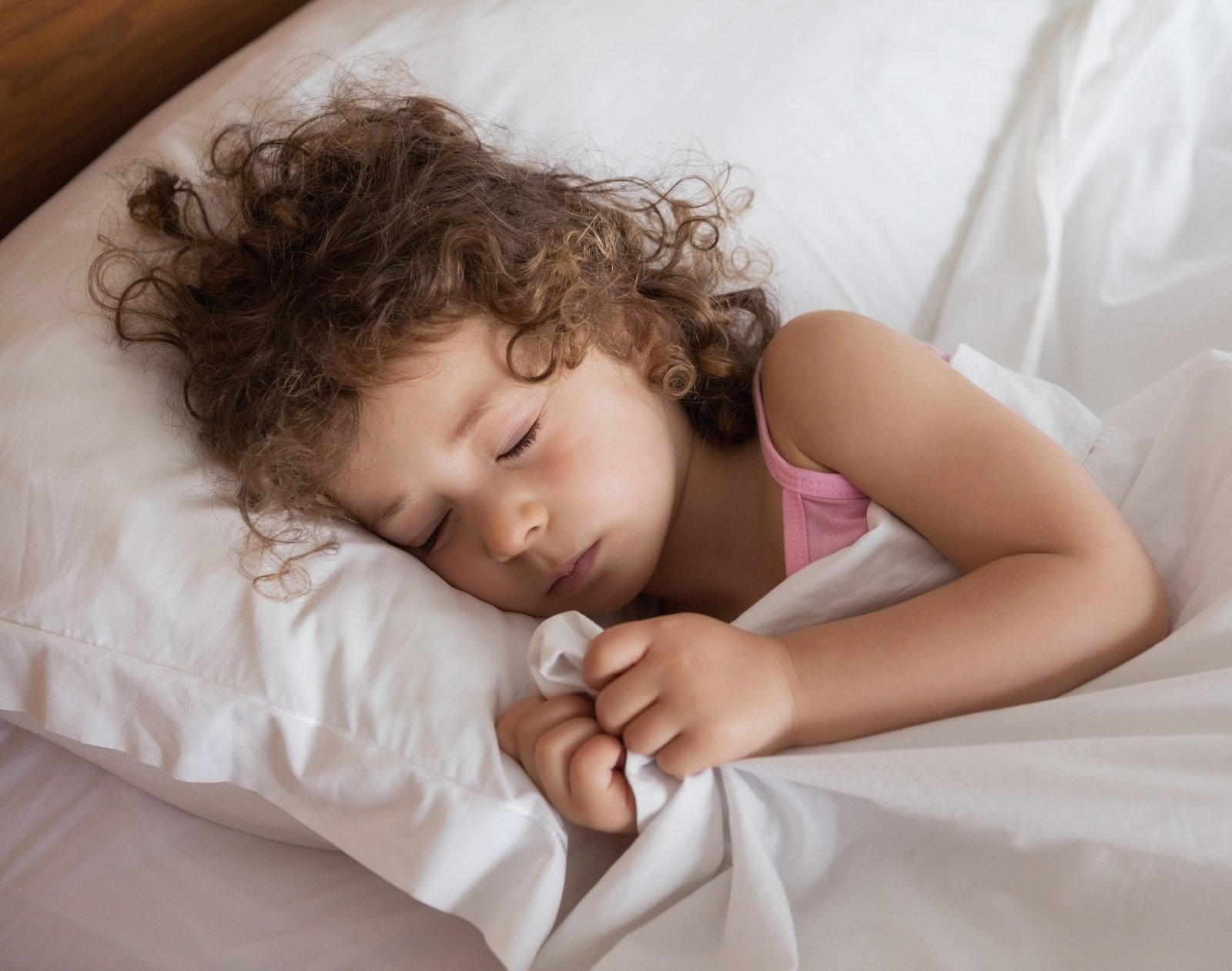
Secondhand smoke keeps children from getting truly restful sleep
A new study has found that children exposed to secondhand smoke at home have their sleep broken up far more often than unexposed children, even when standard breathing tests come back clean
Kids in smoking homes had about 67 percent more brief sleep arousals per hour, and higher nicotine levels in their urine tracked with shorter, less efficient rest

The finding is a warning for the roughly 14 million American children estimated to breathe household tobacco smoke on a regular basis
Fragmented sleep in childhood is linked to attention problems, learning delays, and higher obesity risk
A nightly disturbance that never appears on a routine sleep test could still be undermining a child’s daytime health
The team recruited 30 children between ages one and 12, all referred for overnight monitoring because parents suspected snoring or apnea
The study was led by Professor Aviv D. Goldbart and Professsor Ariel Tarasiuk at Ben-Gurion University of the Negev (BGU)
To gauge exposure, the researchers used two independent tools. Parents filled out questionnaires about smoking at home
In addition, every child gave a morning urine sample that was tested for cotinine, a chemical the body produces only after processing nicotine
Because it lingers for hours, cotinine gives a solid biological number for how much smoke a child absorbed
About 46 percent of the children had at least one smoking parent, most of them smoking 10 or more cigarettes a day
Overnight, each child underwent polysomnography, the in-lab recording that continuously tracks brain waves, breathing, oxygen, and heart activity
Cotinine levels rose in step with what parents had reported, so the biology and the self-reports told a consistent story about who was actually being exposed
The match was only moderate, though, meaning some households likely underestimated their child’s contact with tobacco smoke
Even so, the numbers exposed a striking gap. Roughly 60 percent of the smoking parents told researchers their child was not exposed, yet those children’s urine showed clear cotinine
The test could not tell balcony smoke apart from residue lingering on furniture or clothes; the biomarker registered all of it
Parents underestimate how much smoke actually travels through a home
“The worrying thing is that the smoke doesn’t stay outside the children’s room,” Tarasiuk said
“Even when a parent is convinced that they are ‘smoking carefully,’ it results in more awakenings, less deep sleep and fewer opportunities for real rest.”
That gap has practical consequences. Parents who believe they have kept smoke away from their children may be exposing them far more than they realize
Children exposed at moderate but real levels appear to lose sleep quality that a pediatrician would not otherwise probe for
Standard measures of sleep apnea severity looked identical in the exposed and unexposed groups
The number of breathing pauses each hour, and the blood-oxygen drops during those pauses, were unremarkable in children from smoking homes
That was not what the team expected. Earlier work in adults, including a meta-analysis, had linked household smoke to worse obstructive apnea
What did change was the arousal index. It counts how many times each hour a child briefly emerges from sleep, often for just a few seconds
Exposed children had about 67 percent more arousals, and higher cotinine levels tracked with shorter total sleep and lower sleep efficiency
A different mechanism may be at work. Nicotine can stimulate arousal-related brain chemicals like acetylcholine and dopamine, which normally help keep a person alert during the day
Those signals do not switch off at bedtime. In a child sleeping in a smoky home, they appear to push the brain toward wakefulness in short bursts through the night
“Parents tend to see snoring as something momentary and disturbing, but for many children it is just the tip of the iceberg,” Goldbart said
“When cigarette smoke around the home is added, even if it is ‘in the background,’ sleep becomes more fragile and shorter.”
The distinction changes how doctors can talk to families
A child with normal breathing readings but a lot of nightly arousals looks fine on paper, yet may still be losing the deep, restorative sleep that supports memory, growth, and mood
Sleep fragmentation in childhood has been tied to attention deficits, weaker learning, and higher body weight in earlier research
Pediatricians should ask about smoke exposure whenever they see a child for snoring or apnea, the authors argue
A large U.S. survey has already tied tobacco exposure to inadequate sleep in school-aged children, though it relied on parent-reported hours rather than lab measurements
“Passive smoking is a risk factor that can be stopped immediately, thereby significantly improving the quality of the child’s sleep and his daytime functioning,” Goldbart said
The response the paper suggests is behavioral rather than medical – reducing or removing indoor smoking in homes with young children
The study included only 30 children. Larger trials will need to test whether the pattern holds outside a suspected-apnea population and in different exposure settings
Still, the practical implication is straightforward
For millions of children, the difference between restless sleep and restorative sleep may not depend on another medical test
It may simply depend on whether cigarette smoke is still part of the home
The study is published in the journal Scientific Reports
—–Like what you read? Subscribe to our newsletter for engaging articles, exclusive content, and the latest updates.Check us out on EarthSnap, a free app brought to you by Eric Ralls and Earth.com.—–
