


- What Is Depression?
- Take our Depression Test
- Find a therapist to overcome depression
Key points
- Anti-inflammatory diets can help with depression.
- The evidence is strong for diet affecting symptoms of depression.
- Whole, minimally processed foods may help regulate inflammatory processes.
The idea that diet influences mental health has moved steadily from fringe nutrition advice into mainstream scientific inquiry. A new peer-reviewed analysis published in Frontiers in Nutrition offers the most comprehensive look yet at whether anti-inflammatory eating patterns can meaningfully affect mental health outcomes in adults
The short answer: yes, particularly for depression, but less clear for anxiety and other mental health issues. The study, supported by the John W. Brick mental Health Foundation in collaboration with the University of California San Diego Centers for Integrative Health, draws on dozens of clinical trials to examine whether anti-inflammatory diets can improve mood
What We Examined
Our collaborative team of researchers analyzed 42 randomized controlled trials and 23 systematic evidence syntheses, focusing on dietary patterns known to reduce systemic inflammation. Most prominent among the diets analyzed was the Mediterranean diet, along with the DASH, MIND, and Nordic approaches. We tracked outcomes including depression, anxiety, mood, stress, and quality of life
What We Found
Depression showed the strongest and most consistent signal. Across both individual trials and broader research syntheses, anti-inflammatory diets, especially Mediterranean-style eating, were repeatedly associated with reductions in depressive symptoms and, in some cases, lower rates of depression. Results for anxiety, mood, stress, and quality of life were more uneven. Some studies reported meaningful improvements; others showed no effect.
What Does the Mediterranean Diet Refer to?
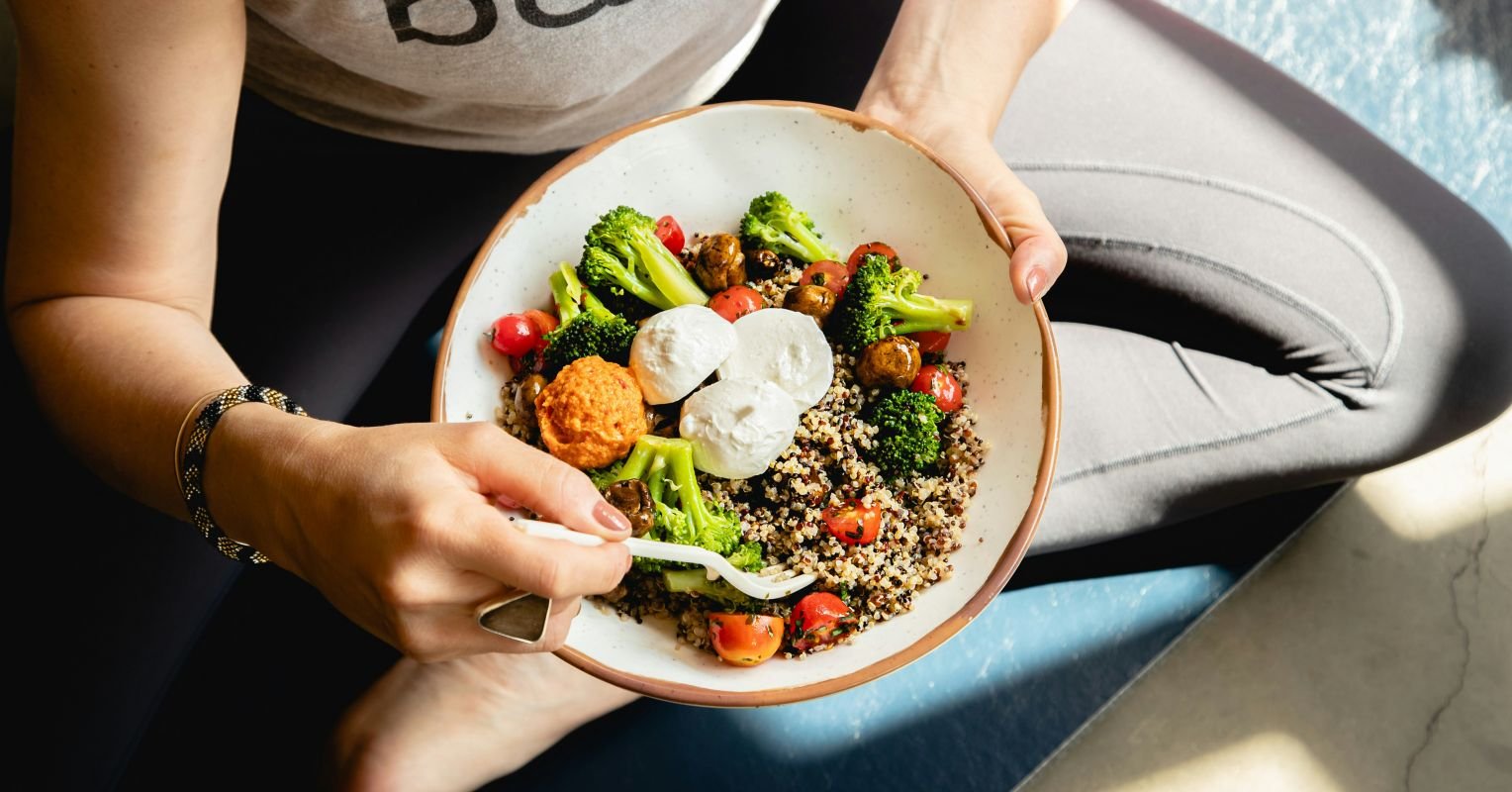
The foundation is plants. Vegetables, fruits, legumes (beans, lentils, chickpeas), whole grains, and nuts make up the bulk of most meals. Olive oil is the primary cooking fat
Fish and seafood are eaten regularly—typically a few times a week—while poultry, eggs, and dairy (mainly yogurt and cheese) appear in moderate amounts
Red meat is eaten sparingly—maybe a few times a month rather than daily. Highly processed foods, refined sugars, and industrial seed oils are largely absent. What is mostly left out of the diet is nearly as important as what is included
Why Diet Might Matter
The proposed mechanism centers on inflammation. Pro-inflammatory diets have been linked to increased depression risk, and evidence indicates that whole, minimally processed foods may help regulate the inflammatory processes associated with mental health conditions
What the Evidence Can’t Yet Tell Us
It’s not quite time to make causal claims. In the studies we reviewed, designs varied considerably, dietary protocols weren’t always standardized, and few trials followed participants long enough to assess lasting effects. Because this was a scoping review —broad and exploratory—rather than a meta-analysis, no formal quality ratings were applied to the underlying studies. Those factors make it difficult to draw firm conclusions.
- What Is Depression?
- Take our Depression Test
- Find a therapist to overcome depression
The Bottom Line
People facing mental health challenges can feel empowered by the findings nevertheless. Making small but consistent changes in how and what they eat over time can support their mental well-being. While it seems clear that, for those facing symptoms of depression, an anti-inflammatory or Mediterranean diet could help, more research is needed. There is a need for more rigorous, standardized trials with longer follow-up periods and clearer measurement of inflammatory biomarkers.
One consistent pattern emerged across the data: Interventions tended to work better in people who already had mental health diagnoses or elevated symptoms. Studies involving healthy adults showed weaker effects
Dietary recommendations should not replace a whole-person approach to mental health care. But the accumulating evidence suggests it may have a legitimate supporting role, one worth investigating with the same rigor applied to other interventions
References
Sprengel, M.L., Mansoor, R., Latsou, N., Allen, S., Lubarsky, O., Mark, K., Gizzi, L. and Vieten, C., Anti-Inflammatory Diets and Mental Health: A Scoping Review of Randomized Controlled Trials and Systematic Evidence Syntheses. Frontiers in Nutrition, 13, p.1795350
