


Healthcare
MedLife launches Romania’s first locally processed gut microbiome test
MedLife, Romania’s largest private healthcare network and one of the country’s leading investors in medical genetics, has launched the first gut microbiome test in Romania to be processed entirely in its own laboratories, using shotgun metagenomics technology
The new test provides a detailed picture of the microorganisms that make up the gut microbiome and expands MedLife’s personalised medicine and prevention strategy developed through its Longevity 100+ programme
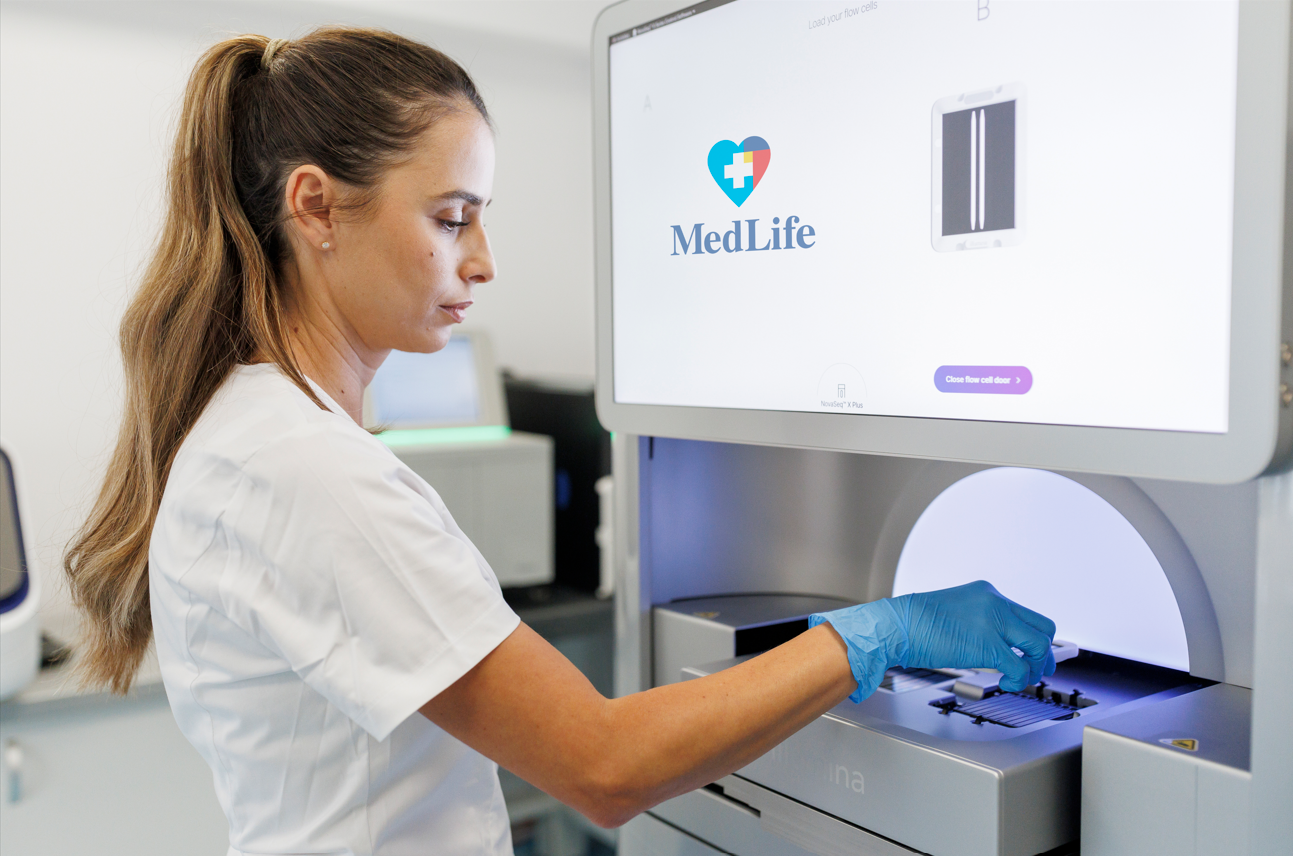
The test is processed entirely by MedLife’s own team and infrastructure, using shotgun metagenomics and the NovaSeq X Plus next-generation sequencing platform from Illumina. MedLife has developed the full workflow in Romania, from sample processing and sequencing to bioinformatics analysis and interpretation. Until now, such tests were processed in laboratories abroad
“Through the launch of the gut microbiome test, we are taking another step towards personalised medicine. If, through Longevity 100+, we began using genetic information to better understand the particularities of each person, we are now extending this approach to the microbiome – a dynamic ecosystem influenced by diet and lifestyle, among other factors. The fact that we can carry out the analysis entirely in our own laboratories allows us to consolidate this expertise in Romania and, more importantly, democratise patients’ access to new personalised medicine solutions,” said Dr Robert Beke, Executive Director of MedLife’s Laboratory Division.
Unlike methods based on 16S rRNA sequencing, which analyse specific regions of bacterial DNA, shotgun metagenomics analyses the entire genetic content of all microorganisms in a sample. This allows the test to identify bacteria, fungi, viruses, and other eukaryotes with higher resolution, including at species and strain level
The resulting data is processed through bioinformatics and translated into a report covering the composition, diversity, and potential functions of the microbiome, including metabolism, vitamin production, short-chain fatty acid production, and immunity
Interest in the microbiome has become an important field of biomedical research in recent decades, including through the Human Microbiome Project, launched by the US National Institutes of Health in 2007
A more detailed view of the gut microbiome
For patients, the test provides an individual snapshot of an ecosystem that can change over time depending on diet, lifestyle, medication, and other factors. Based on the identified profile, the report may include recommendations related to nutrition and lifestyle, as well as indicative information on probiotics or supplements
Research has increasingly explored the links between the microbiome and metabolism, immune function, digestive health, and communication between the gut and the brain
In the medium term, MedLife aims for microbiome data to be interpreted by specialists alongside patients’ medical history and overall health status, allowing it to form part of broader personalised assessments
In the longer term, the company plans to combine microbiome, genetic, and medical history data to support increasingly individualised prevention recommendations. MedLife also sees the investment as a research opportunity, creating local expertise and data that could support new personalised medicine tools
“Medical technology is advancing at a fantastic pace worldwide. Our medicine is changing and bringing Romanian patients results that a decade ago they could only dream of. We are bringing medical innovation closer to the more than 25,000 patients who come through our doors every day, to our exceptional clinicians, but also to companies that are increasingly interested in offering employees a highly precise and comprehensive picture of their health. The future of medicine cannot be fragmented. We cannot look separately at genetics, the microbiome, tests, lifestyle and medical history and expect to understand the person as a whole. Our role is to connect this information and expertise into the most integrated possible perspective on health. We are currently working on medical results and an analysis model that could prove innovative worldwide,” said Mihail Marcu, CEO and President of MedLife Group.
The microbiome test uses a stool sample collected at home with a kit provided by MedLife. Samples can be submitted at more than 250 MedLife collection points across Romania, with results available in around 28 working days after the sample reaches the laboratory
The test is not diagnostic and does not replace medical consultation or investigations recommended by a doctor. Its result reflects the microbiome at the time of collection and should be interpreted in the context of the patient’s overall health
Through the new test, MedLife is extending its genetics and genomics infrastructure into microbiome analysis, continuing the personalised medicine and prevention strategy launched through Longevity 100+
Tags:genetic testing, gut microbiome, longevity 100+, medlife
