


- English News
- Tech science
- Implantable Health Monitoring Devices | Future Of Smart Wearable Tech
Monitor your health using tiny button-sized gadget:These devices can detect any abnormality in the body, reduce the need for hospital visits
The New York Times10 hours ago
- Copy link
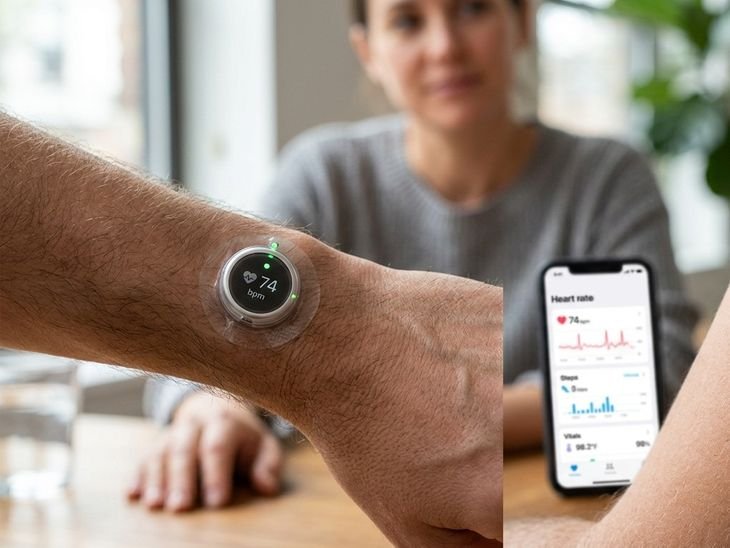
According to Dr. Andrew Jagim, with the help of wearable devices, patient monitoring will be possible anywhere in the world and at any time. – Representative photo created using AI
Imagine a tiny device under your skin that continuously tracks your health and alerts your doctor if something seems wrong. This could soon become a reality as wearable technology moves beyond smartwatches and fitness bands towards implantable health-monitoring devices
The wearable technology market is growing rapidly, with companies exploring new ways to monitor health without requiring patients to visit a hospital for every check-up. The global wearable device market has already crossed a turnover of ₹4.2 lakh crore
Button-sized devices could monitor your health
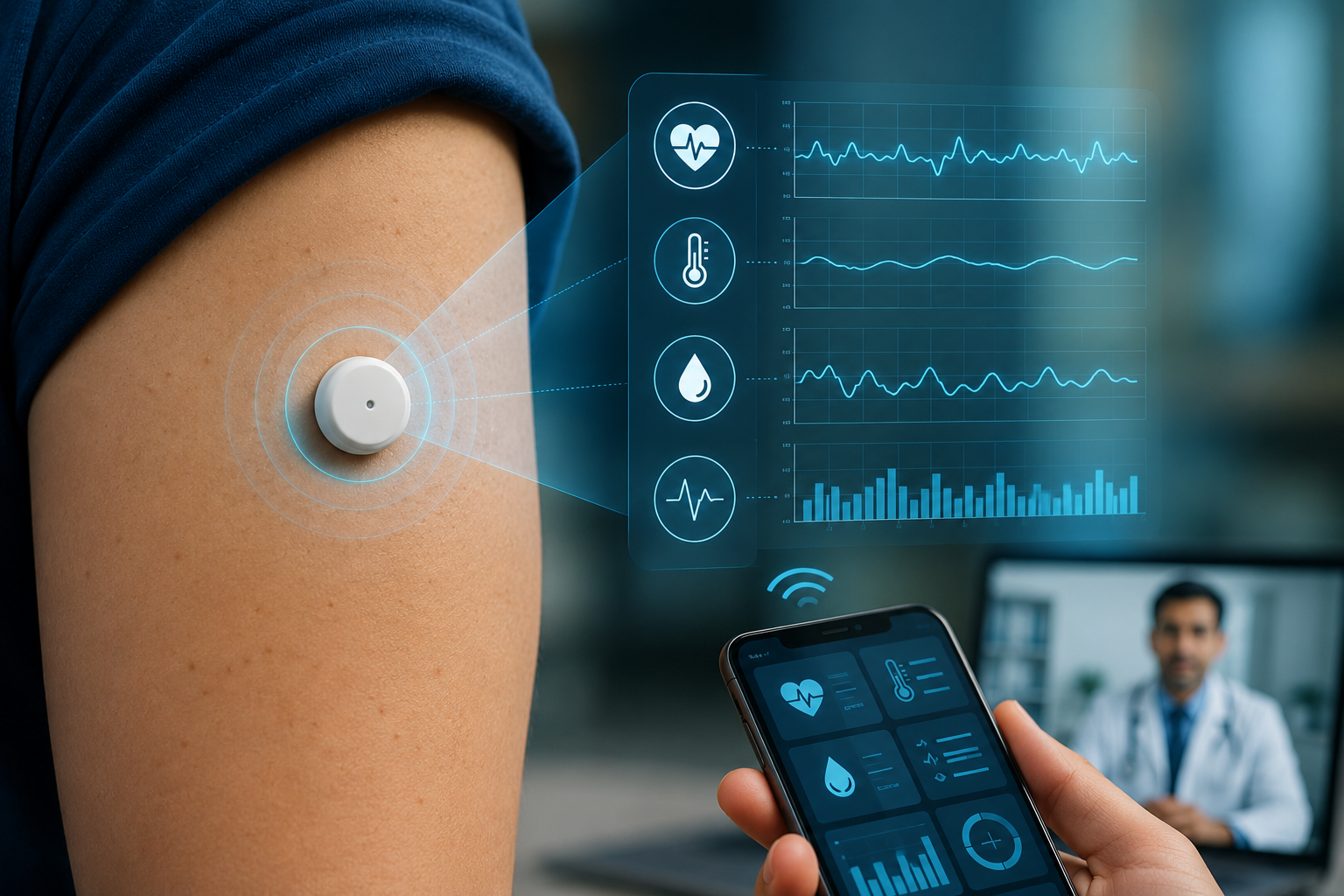
This image is created using AI
After smartwatches, smart rings and fitness bands, researchers and companies are now working on devices that can be placed inside the body. One such device could be roughly the size of a button and implanted in the arm. It could continuously track important health signals such as:
- Blood pressure
- Body temperature
- Heart activity
- Other vital health parameters
The biggest advantage could be continuous monitoring. Instead of checking health only during a hospital visit, these devices could collect information throughout the day
AI could alert doctors when something goes wrong

These devices could also work with personal AI systems. If the collected data shows unusual changes or possible signs of illness, the AI could flag the issue and share the information with a doctor
This could help doctors identify potential health problems earlier and decide whether a patient needs further tests or treatment
In the future, this could reduce the need for patients to visit hospitals every time they need their health checked. Doctors could monitor patients remotely and provide advice based on the data collected by their wearable devices
Wearables are moving beyond fitness tracking
Interest in wearable technology grew sharply after Fitbit launched its fitness tracker in 2009. Since then, smartwatches, rings and other wearable devices have become increasingly common. Major technology companies such as Apple, Samsung and Google are investing in the sector, while venture capital firms are also backing wearable technology startups
According to IDC analyst Jitesh Ubrani, the long-term goal is for wearables to become an important part of the healthcare system
Apple, Oura and Google are entering healthcare
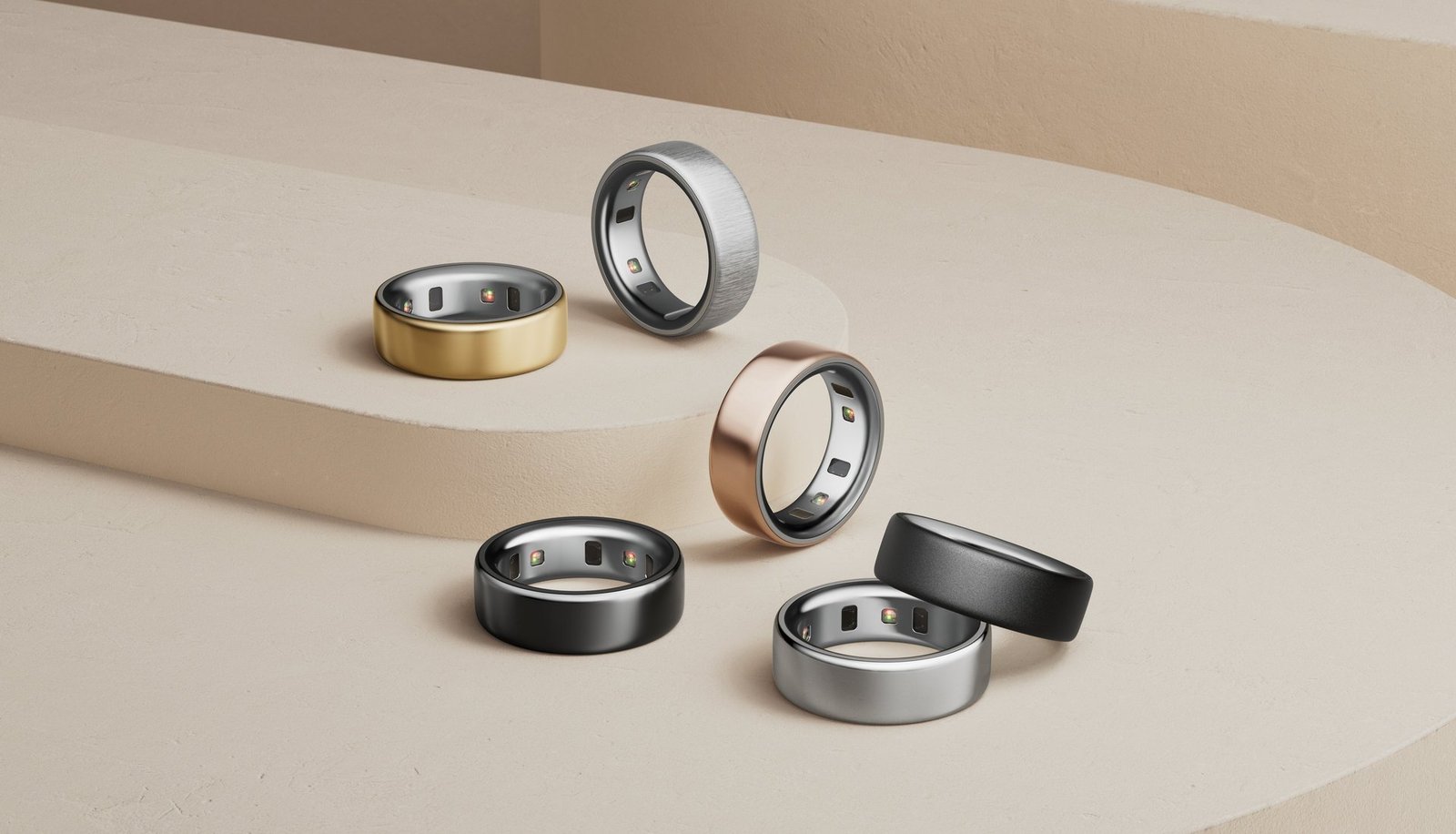
Smart ring maker Oura has taken legal action against seven competitors over alleged patent infringement. The company has won three cases, while four remain pending
Apple, which sells around 8 million Apple Watches every quarter, is also facing at least two patent disputes
At the same time, technology companies are building stronger links with hospitals and healthcare companies. Apple has partnered with health data company Epic Systems, while Oura has teamed up with Dexcom, which makes continuous glucose monitoring devices
Google launched Google Health in May, while Samsung acquired health technology company Zealth last year
Doctors could monitor patients from anywhere
Wearables could eventually allow doctors to keep track of patients regardless of where they are. Dr Andrew Jagim of Mayo Clinic Health System says wearable technology could make patient monitoring possible anywhere and at any time
But health is not the only area where wearables are expanding. These devices are increasingly being used for digital access and authentication as well
Your watch could become your digital key
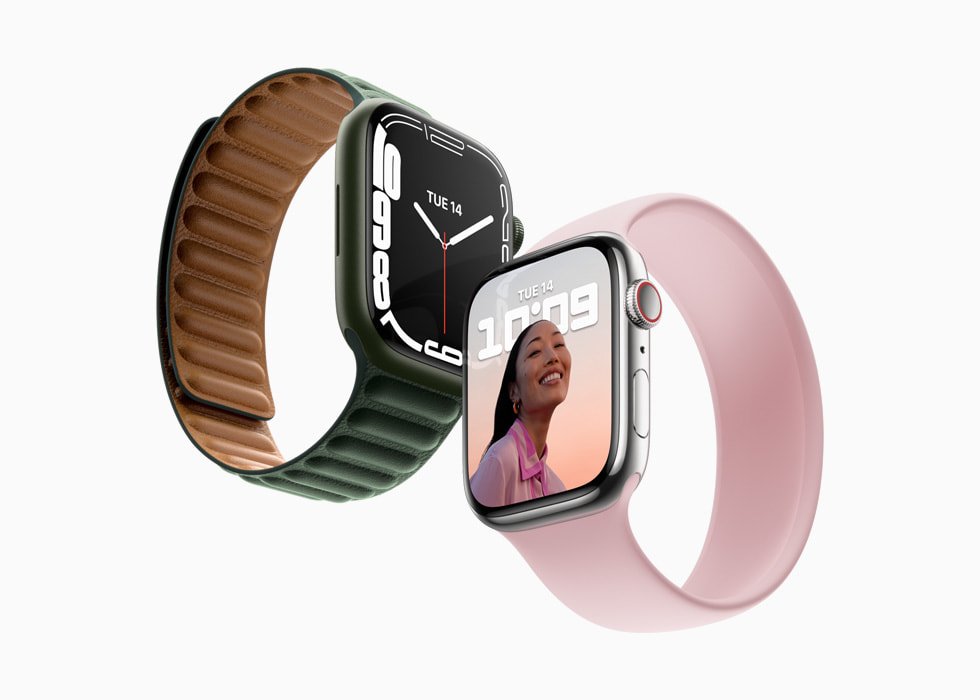
Image credit: Apple
An Apple Watch can already be used to unlock certain Mac computers. In the future, biometric information such as walking patterns and heart rate could potentially be used for:
- Logging into devices
- Entering buildings
- Approving online purchases
- Verifying a person’s identity
This means wearable devices could become more than gadgets that sit on your wrist or finger. They could become digital keys that help authenticate users in everyday life
Wearables are becoming more proactive
Today’s wearables mainly track information such as steps, heart rate, sleep, and exercise. But the next generation could go a step further. Instead of simply telling users what is happening with their bodies, these devices could also suggest what to do next, such as when to exercise, when to sleep, or how much to eat
Industry analyst Ben Arnold believes established technology companies such as Apple and Google could have an advantage here because their devices already work together as part of larger technology ecosystems
The future of wearables, therefore, may not be limited to tracking health. From monitoring vital signs to helping doctors remotely and acting as digital keys, these tiny devices could become an increasingly important part of everyday life
.
More news…
- Tech & Science
- Copy link
Share
- Tech & Science
- Copy link
Share
- Tech & Science
- Copy link
Share
