


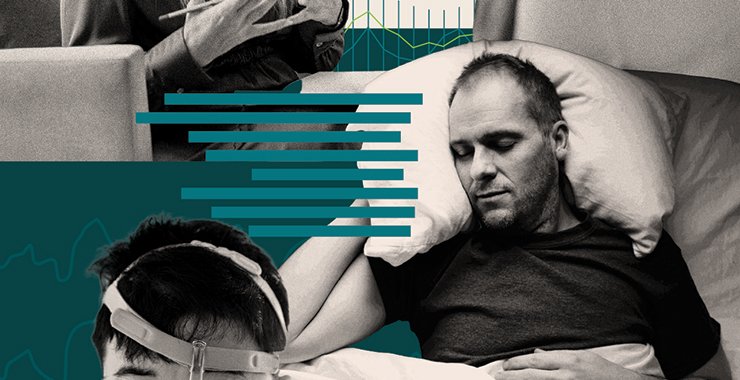
In a world of 24-hour gyms and entertainment that you can stream any time and place, it’s no surprise that sleep often gets shortchanged. “We’re in this culture where we like to wear sleep deprivation as a badge of honor,” said Jessica Payne, PhD, a cognitive neuroscientist at the University of Notre Dame and cofounder of The Brain-Based Leader, an organization that provides neuroscience-based leadership development programs. “But we wouldn’t spend a third of our lives asleep if it wasn’t truly essential.”
Chronic sleep deficiency increases health risks like obesity, Type 2 diabetes, and heart disease, and psychologists have long recognized that sleep problems and psychological conditions frequently co-occur. But recent research has revealed more about the links between sleep and mental health. As sleep scientists uncover clues about the ways sleep affects the brain, new interventions are helping to improve slumber in people with sleep disorders like insomnia.
