


ByPallab GhoshScience Correspondent

It is four in the morning, and the ward is quiet. A junior doctor has been on her feet for nine hours. She is tired, her muscles are sore and her eyes are straining, but when her shift ends at six in the morning and she finally gets home, she struggles to sleep
Her internal clock, built over millions of years of evolution to tune human biology to the rising and setting of the Sun, is insisting it is morning. Time to wake up. Time to be alert. No amount of darkness, earplugs or blackout blinds can entirely silence it
This is not a personal failing. It is a collision between the demands of her job and some of the deepest machinery in the human body. This is playing out, invisibly, in the lives of millions of shift workers. Among them are the nurses, paramedics, engineers, lorry drivers and factory workers, who keep the country running while everyone else sleeps
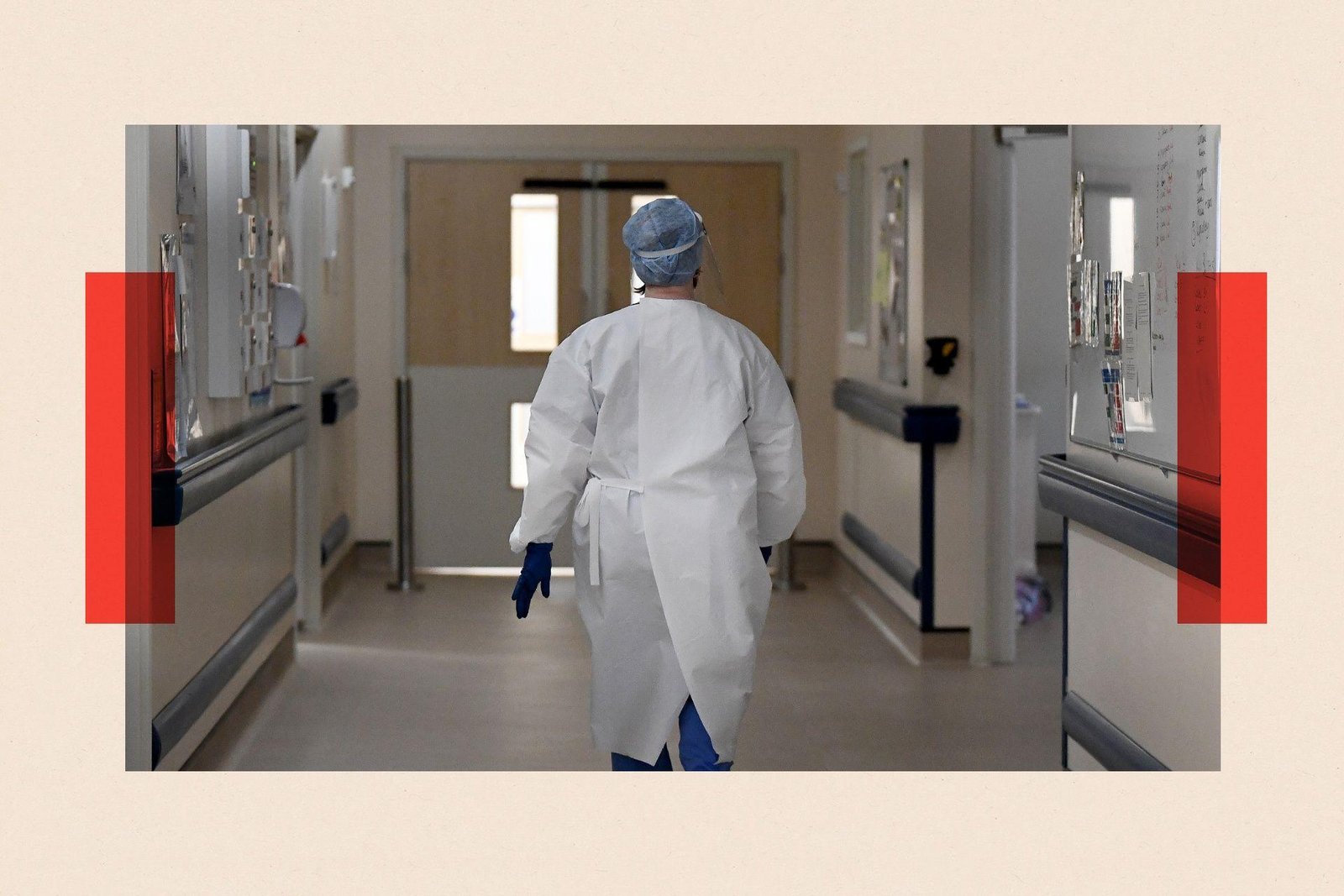 Image source,Getty Images
And the scientific evidence about what this relentless battle with our own internal clocks and modern living costs them – in heart attacks, strokes, cancer, mental illness, and quite possibly their precious memories – is increasingly difficult to ignore
Now scientists are beginning to explore whether changing how we sleep can play a role in mitigating the toll of night shifts, and potentially alleviate the ill-effects of disrupted nights. Their studies are also testing a surprising theory: that splitting sleep into two separate blocks – rather than attempting to force one long stretch during the day – may in fact be the most effective sleep pattern for people working through the night.
To understand what shift work does to the body, it’s worth looking at what emerging research suggests about sleep itself. Sleep does far more than give the brain and body a rest
When we are asleep, our brain consolidates the memories of the day, processes emotions, and solves problems that defied it in the waking hours. It also strengthens immune defences and repairs muscle tissue
Prof Russell Foster is a sleep scientist at Oxford University, who has spent a career studying the biology of the sleeping brain
“Sleep is a pillar of our health,” he says, “in the same way we think about diet and exercise. We have to take control of it.”
In that light, the strain of shift work becomes easier to see: it’s not solely about being tired, but potentially about repeatedly disrupting a system that’s doing far more behind the scenes than many people realise
One of the most remarkable discoveries of recent years is that while we sleep, the brain cleans itself. Deep within the grey matter is plumbing called the glymphatic system. Fluid runs along tiny channels beside the brain’s blood vessels, washing away the waste products that accumulate during waking hours
So, what happens to these toxins when sleep is disrupted?
Prof Hugh Markus, a neurologist who leads the stroke medicine group at the University of Cambridge, has begun to answer this question
Markus and a medical student, Yutong Chen, analysed the brain scans of more than 40,000 people drawn from a vast database of health records and medical scans built up over more than a decade at the UK Biobank. All of them were healthy when their scans were taken
The researchers found they could identify those whose drainage systems were struggling. Critically though, they discovered that those with the most impaired drainage systems were significantly more likely to go on to develop dementia years later
“Disruption of that flow,” he says, “was playing an important role in predicting who would get dementia, in large numbers of people in the normal population.”
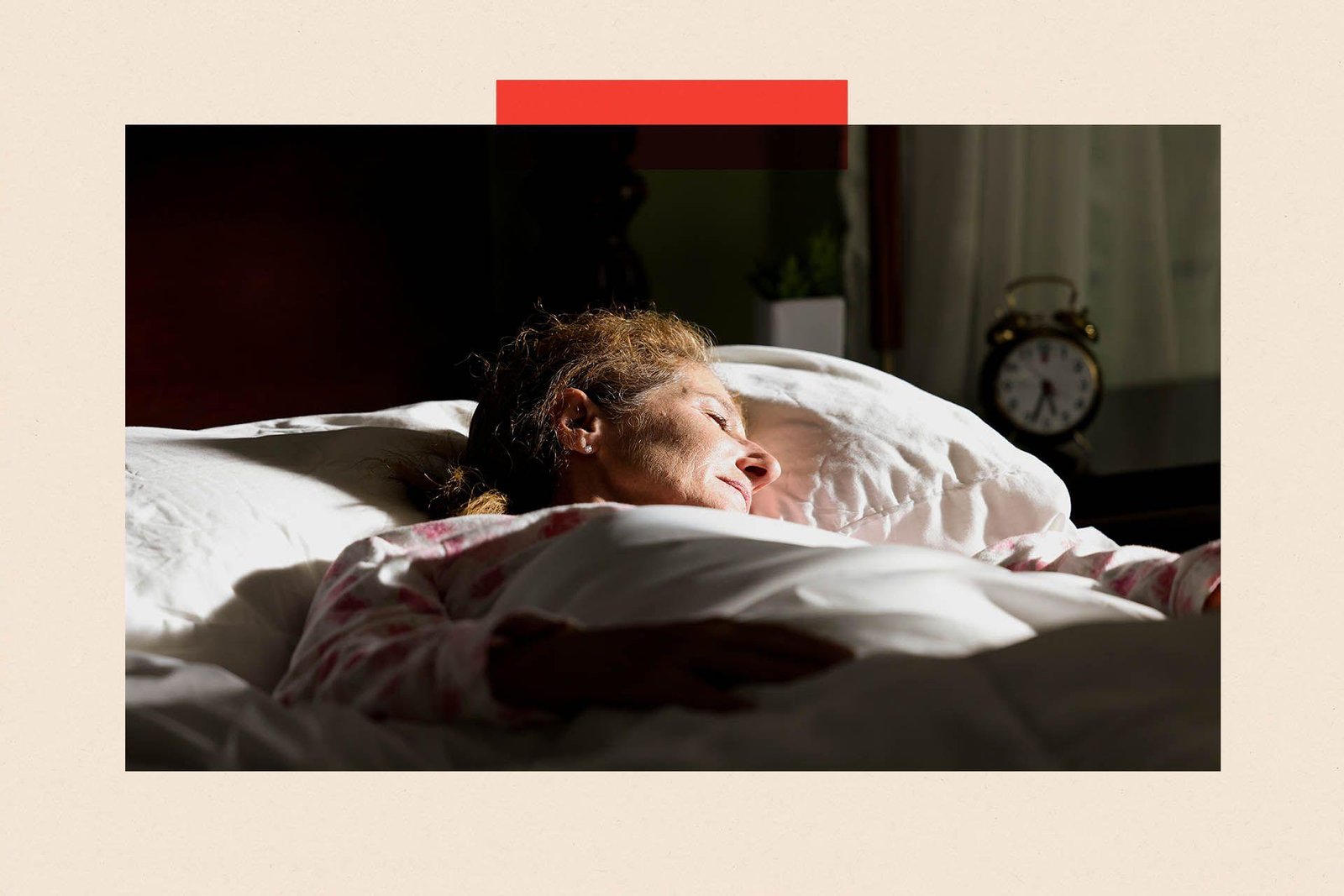 Image source,Getty Images
Among the waste products the system clears are proteins called amyloid and tau, the deposits that accumulate in the brains of people with Alzheimer’s disease. A single sleepless night measurably raises amyloid levels in the fluid surrounding the brain. Do that repeatedly, year after year, and the implications are troubling
A Swedish study by researchers at the Karolinska Institute, tracking more than 13,000 shift workers, including night shift workers, for up to 41 years, found that shift work in mid-life was associated with a 36% higher risk of dementia – with the risk rising the longer someone had worked shifts
Foster is careful not to overstate the link. “You wouldn’t say poor sleep causes dementia,” he says, “but if you’re vulnerable, it’s a potential risk factor.”
Markus’s data shows a possible link, but he cautions that it is a hypothesis at this stage and there are likely to be many other factors at play
“Sleep matters,” he says, “but so do the big vascular things – blood pressure, smoking, diabetes. What’s never mentioned is how much of the risk of Alzheimer’s comes from those – things we could actually do something about.”
There are also tentative but growing indications of how sleep disturbance might increase the risk of heart disease. An analysis of 35 studies published last year found that sleep reduced to around 4.5 hours for three or more nights significantly raised the activity of the body’s immune system. This is normally a good thing when it is roused to fight infection but also causes inflammation in the body which if persistent is associated with heart disease.
Disrupted sleep raises the stress hormone, cortisol, which in turn promotes insulin resistance and pushes the body toward a diabetic state. Higher levels of cortisol also worsens sleep further, locking workers into a self-reinforcing cycle. Add to this the sugar-hit snacking that keeps some shift workers going overnight and it makes for an extremely unhealthy cocktail
As if that were not enough, the World Health Organization’s International Agency for Research on Cancer (IARC), has classified night shift work as “probably carcinogenic to humans” and put it in the same risk group as red meat, citing evidence for links to breast, prostate, colon and colorectal cancers
This may be because disruption to the body’s circadian system alters timing of the production of melatonin, a hormone thought to have tumour-suppressing properties, as well as reduced vitamin D from lack of daylight, and the chronic low-level inflammation that broken sleep promotes
For the more than three million people in the UK working night shifts, and who have little choice but to disrupt their sleep, this may all sound worrying. But researchers are beginning to pinpoint what might actually help
Dr Line Victoria Moen, a researcher at Norway’s National Institute of Occupational Health in Oslo, is investigating whether a planned nap may be part of the answer
The research team came across intriguing findings from their study of shift workers in the Arctic Circle, where the sun barely sets in summer and sleep has to be won from the never-ending day. It was an ideal place to study the battle between a person’s body clock and the elements
Moen followed shift workers in the far north of Norway. The workers wore Oura Rings to track their sleep, and as Moen pored over the data, a pattern emerged. Many of them were not collapsing into one long, exhausted sleep when they got home. They were sleeping in two distinct blocks, from nine in the morning until one, then again in the afternoon before the next shift
“Their body is forcing them to wake up,” she says, “and recover some additional sleep in the afternoon.”
 Image source,Dr Moen
This pattern has a name: biphasic sleep. It means two distinct sleep periods in 24 hours instead of one. And it echoes something sleep historians have long noted: in pre-industrial times before artificial lighting, humans often slept in two blocks. Researchers suggest it may be a more natural rhythm, even if the biological reasons for it are still debated
Roger Ekirch, a historian at Virginia Tech who has spent 40 years in the archives of pre-industrial Europe, established that sleeping in two halves was the predominant pattern in the Western world until the mid-19th Century
A typical family, he found, would go to bed around nine, wake naturally after midnight for an hour or so – for prayer, chores, conversation – then sink back into what they called their “second sleep”
The pattern persisted until artificial light changed the economics of the night: gas lamps began lighting London’s streets in 1807, people stayed up later, the gap between the two sleeps narrowed and eventually closed
 Image source,Getty Images
Ekirch believes the old rhythm has never entirely died. “Middle-of-the-night insomnia is the most prevalent sleep disorder in many countries,” he says
“And I’d argue that, in many cases, it isn’t a disorder at all. It instead represents a persistent echo, a relic of this earlier pattern of sleep.”
Foster’s own laboratory work supports the biological claim: in a famous experiment, the American psychiatrist Thomas Wehr gave volunteers 14 hours of darkness approximating a pre-industrial winter night and within weeks, without any instruction, they drifted naturally into sleeping in two halves
“The default,” says Foster, “is almost certainly not a single block.”
What struck Moen most forcefully was not the two-sleep pattern itself but the dearth of evidence around it. She investigated the data to assess how prevalent biphasic sleep was among shift workers, what health outcomes were associated with it, and whether a split sleep was better or worse than one exhausted block. She found almost nothing. “So I thought that’s really interesting. I’ll go and look properly,” she says.
Looking properly has involved going through 11,000 summaries of scientific papers and working through the evidence on biphasic sleep across health, performance, and the subjective experience of shift workers. Her full results are expected later this year
So far, Moen has found that existing research on the topic is fragmented. Some studies treat biphasic sleep as one long sleep plus a brief nap; others count only two equal periods; there is no agreed definition
The eventual aim of Moen’s research is to develop clear clinical guidelines that might help shift workers and others with disrupted sleep patterns
“They get very anxious because they can’t sleep long after a night shift,” says Moen. “It would be nice to be able to tell them that, actually, a good nap in the afternoon will help.”
 Image source,Getty Images
Several studies show that napping during shift work, where possible, is associated with reduced sleepiness and improved alertness. Studies of healthcare workers suggest that even a 20-to-50-minute nap during or after a shift improves focus and reduces drowsy driving on the way home
The questions Moen’s research will try to answer, more rigorously than has been attempted before, are: how common it is, what forms it takes and whether there is evidence that splitting sleep could improve health, performance, fatigue or safety
Her husband, a shift worker himself, illustrates the problem with quiet precision. “He always wakes very early, after only three or four hours,” she says. “There’s no-one home, it’s dark, and still, he can’t sleep. His day rhythm drags him up.”
His body will not be overruled by a blackout blind. What Moen wants to give him, and the millions like him, is permission, backed by science, to stop fighting the body’s signal and work with it instead
“Since we know that many shift workers can’t really avoid sleeping during the day,” Moen says, “I think it’s important to see how we can help them make better choices.”
Top picture credit: Getty Images

BBC InDepthis the home on the website and app for the best analysis, with fresh perspectives that challenge assumptions and deep reporting on the biggest issues of the day. Emma Barnett and John Simpson bring their pick of the most thought-provoking deep reads and analysis, every Saturday.Sign up for the newsletter here
Get in touch
Are you personally affected by the issues raised in this story?
Contact form
