


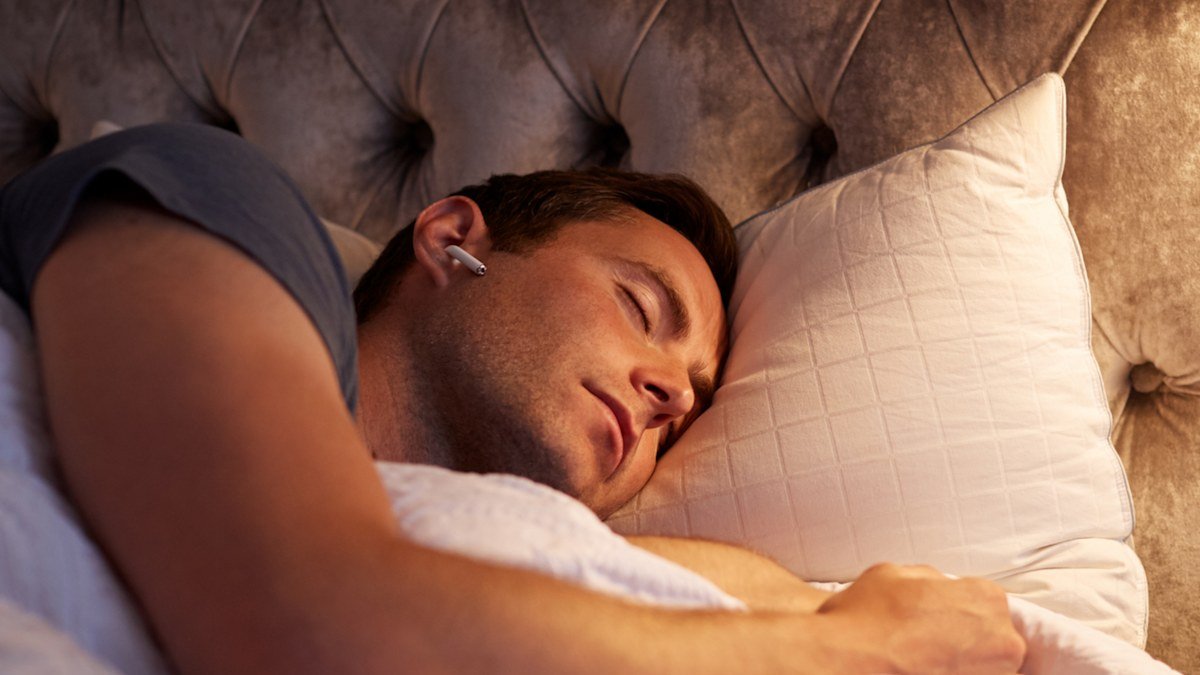
Today, when my editor boldly admitted to wearing earbuds to bed every night – my immediate reaction was one of genuine concern
As one of the privileged few capable drifting off fast – and unaided – I couldn’t help but wonder whether such a habit had any negative long-term effects. Speaking to an expert, my suspicions were confirmed: because your restful rain and whale noises could be causing irreparable damage to your ears
Headphone sleepers are in for a rude awakening, because Vice President of Audiology Australia Dr. Emma Laird has issued a warning against prolonged or high-volume usage
Speaking to nine.com.au, Laird revealed that there are a number of negative factors at play when leaving your earbuds in or headphones on while you snooze
Hearing damage:
According to Laird, listening at higher volumes for extended periods after drifting off might just prove detrimental to your hearing
Read more

Busting the caffeine myth: Yes, you can drink your morning coffee on an empty stomach
“As an audiologist, I would want people to first consider the volume of the sounds that they are playing through their earbuds or headphones,” she said
The louder and more prolonged the sound, the more damage it can cause to your hearing – and the faster this damage will occur
Referred to as noise-induced hearing loss, or NIHL – it may not be noticeable at first, but can become more obvious when combined with the gradual hearing loss associated with age
Advertisement
“Sound exposure is not only about volume but also about duration of listening, so listening all night makes it even more important to make sure that volume is at a safe listening level.”
According to Dr. Laird per the World Health Organisation, anything at 60 decibels or fewer can be listened to at length with no damage to your ears – but anything more is risky territory
“As you approach 80 decibels, going beyond 40 hours across the week can start to be damaging,” she said
Advertisement
Advertisement
Risk of infection and dulling our senses
Read more

Regular wake and bedtimes are often recommended for better sleep, but one of them could be making things worse
As earbuds in particular sit directly in your ear canal, wearing them frequently can run the risk of pushing earwax deeper and causing buildup
What’s more, Laird says that wearing devices – particularly earbuds and earplugs – blocks the ear canal and increases moisture and heat
Advertisement
This warm, damp environment is ideal for bacterial growth, increasing your risk of ear infections
Perhaps a lesser-known factor to consider is the danger associated with dulling your senses while asleep
While olfactory receptors remain active, your brain blocks out most external odours and our sense of hearing remains one of our only ways to detect threats. To this effect, Laird says it’s important not to obstruct our own hearing at night
“Consider your awareness of external sounds, and make sure you could still hear a smoke detector or emergency alarm.”
Advertisement
Advertisement
A better alternative
So with all the risks associated with headphone use in the wee hours, how are restless sleepers to get that ever-elusive eight hours of shut-eye?
“Some studies tell us that people report better sleep when they listen to music or white noise,” Laird admitted
Advertisement
She cited shift workers who sleep during the day, people who are in hospital or those experiencing tinnitus as the ones who tend to benefit most from external sound while falling asleep
For these sleepers, Laird recommended a number of alternatives
“If sound is helpful for someone’s sleep, I would recommend using a soft sleep headband with flat speakers or a pillow speaker. These keep the ear canal more open
“If you are sleeping solo or your partner doesn’t mind, a bedside speaker would be better as well.”

The hidden risk of one common bathroom habit
Expert’s wake-up call for people who go to bed wearing earphones
Sardines, beans and beyond: The tinned foods a dietitian says you should put in your trolley
Australia facing calls to ban energy drinks for under-16s after major UK crackdown


