
skip to content
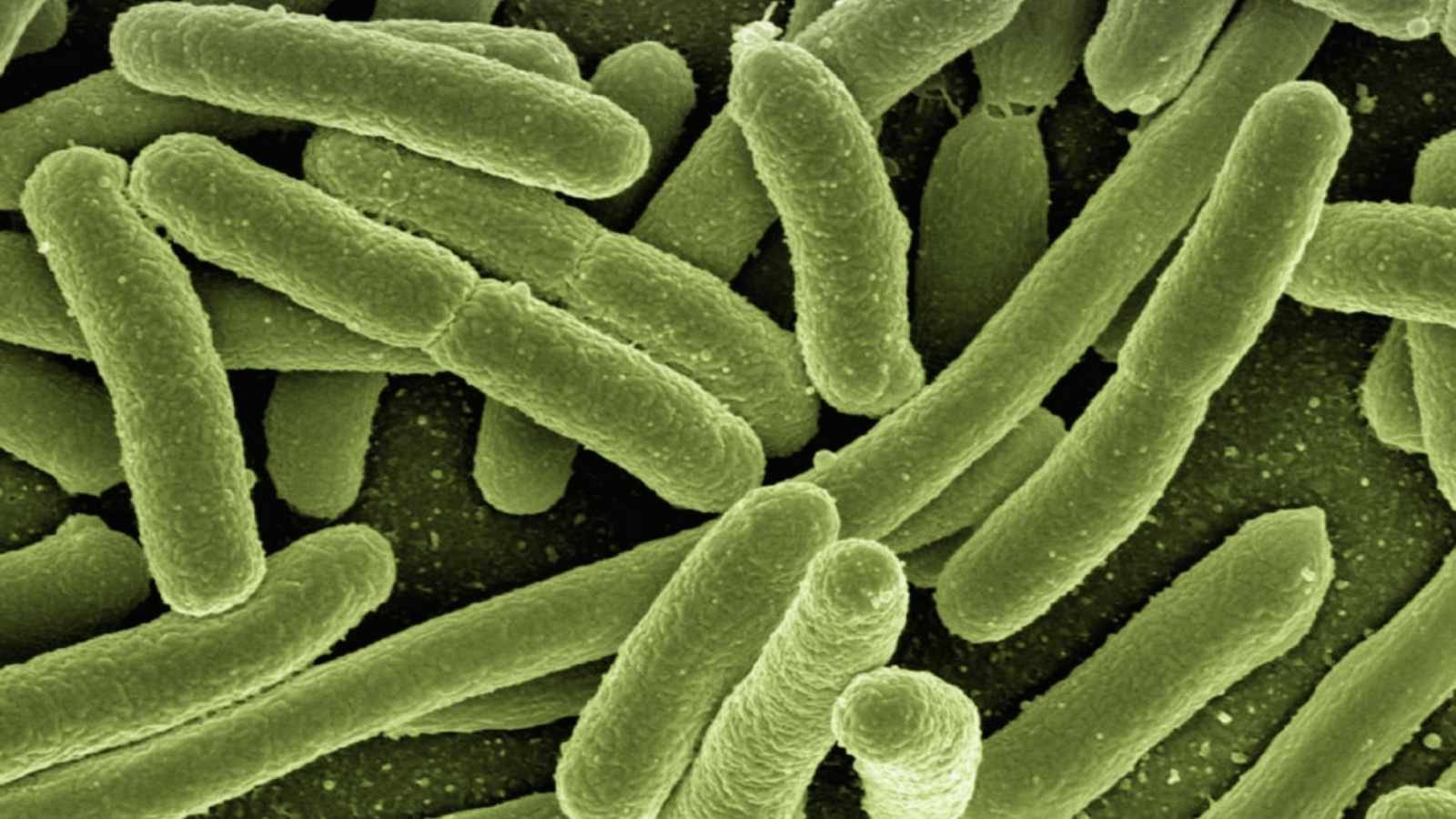
The gut microbiome is the vast community of bacteria, fungi, viruses and other microorganisms that live in the human intestine. (Representational Image: Pixabay/Gerd Altmann/geralt)
Scientists at BRIC–National Centre for Cell Science (NCCS), Pune, have identified 14 previously unknown bacterial species and nearly 200 local microbial strains while studying the gut microbiomes of India’s tribal communities, highlighting how much of the country’s microbial diversity remains unexplored
The findings, published in the journal Gut Microbes, challenge the idea of a universal “healthy” gut microbiome. Instead, they show that the microbes living in our intestines are shaped by where we live, what we eat and the communities we belong to
The researchers say the study also raises important questions about relying solely on microbiome reference data — and even probiotics—developed in Western populations
What is the gut microbiome?
The gut microbiome is the vast community of bacteria, fungi, viruses and other microorganisms that live in the human intestine. Together, they help digest food, regulate the immune system, protect the intestinal lining and prevent harmful microbes from growing
“The gut microbiome differs from person to person and is influenced by diet, geography, medicines, environment and cultural practices,” said Dr Dhiraj Dhotre, scientist at BRIC-NCCS and co-corresponding author of the study
The study analysed gut microbiomes from eight tribal communities across India — Warli from the western coast; Gond and Madia from the Deccan Plateau; Kabui (Rongmei Naga) from the Northeast Hills; and Boto, Balti, Brokpa and Purigpa from the Trans-Himalayan region
According to Dr Yogesh Shouche, senior microbiome scientist and co-author, finding so many previously undocumented microbes in a relatively small study suggests that India’s microbiome remains a largely unexplored biological resource
No single blueprint for a healthy gut
Despite living in different regions, all eight communities shared three dominant bacterial groups — Segatella, Agathobacter and Faecalibacterium. However, the Indian strains of Segatella belonged to distinct genetic lineages not commonly represented in microbiome databases from Europe and North America
“This tells us that an Indian gut microbiome should not be labelled abnormal simply because it differs from Western reference populations,” Dr Dhotre said. “Instead, we need population-specific microbiome data to understand what is healthy in different communities.”
Diet leaves a microbial signature
The greatest differences were seen in the four trans-Himalayan communities, whose traditional diets include milk, homemade butter, wheat and barley, along with rice and other plant-based foods such as leafy vegetables, tubers, fruits and berries
These communities showed greater gut bacterial diversity and significantly higher levels of Bifidobacterium than tribes consuming little or no dairy. Their gut microbes also carried more genes involved in digesting lactose, galactose and grain-derived carbohydrates, suggesting that the microbiome adapts over generations to local dietary patterns
The researchers caution, however, that the study identifies strong associations rather than proving that dairy alone caused the differences. Larger, long-term studies will be needed to establish cause and effect
What the findings mean for probiotics
One of the study’s key findings involved Bifidobacterium adolescentis, a bacterium widely used in probiotic research. The Indian strains differed genetically from those found in industrialised countries and carried a distinct set of carbohydrate-processing enzymes, indicating adaptation to local diets
According to Dr Dhotre, the findings raise legitimate questions about the indiscriminate use of imported probiotics. However, they do not suggest that imported probiotics are ineffective or that Indian strains are necessarily superior. Instead, they underscore the need to evaluate probiotics in the context of local populations and dietary habits
Why India needs its own microbiome map
The researchers say the discovery of new bacterial species and hundreds of previously undocumented strains is a reminder that India’s microbial diversity is still largely unmapped
Building an India-specific microbiome database could improve future research on nutrition, metabolic diseases and personalised medicine, while helping develop probiotics and dietary interventions that are better suited to Indian populations rather than relying exclusively on Western reference data
© The Indian Express Pvt Ltd
- UPTET Result 2026 Live Updates: UPESSC yet to announce date; can be released ‘anytime’13 minutes ago
- India New Live Updates, 5 August 2026: Sonam Wangchuk’s video call with Jharkhand students on hunger strike15 minutes ago
- Parliament Monsoon Session Day 13 Live: Union Minister Kiren Rijiju, Rahul Gandhi’s facetime amid deadlock15 minutes ago
- Spider-Man Brand New Day Box Office Collection Day 6 Update: Tom Holland film earns Rs 362 cr in India, beats Pushpa: The Rise’s worldwide collection1 hour ago
- Udhayanidhi Stalin Arrest Live Updates | ‘Won’t be afraid of false case’: Udhayanidhi Stalin slams TVK government as ‘circus camp’15 hours ago
