Close Menu
HealthJustFineHealthJustFine

    Subscribe to Updates

    Get the latest creative news from FooBar about art, design and business.

    What's Hot

    Samsung Unveils On-Device Health AI Models for Wearables

    August 14, 2026

    Stein signs $319M NC Medicaid bill, extending healthcare coverage for millions in NC

    August 14, 2026

    Air pollution may be harming your brain’s ‘encyclopedia’

    August 14, 2026
    Facebook X (Twitter) Instagram
    HealthJustFineHealthJustFine
    Facebook X (Twitter) Instagram
    • Home
    • General Health News
    • Sleep Health
    • Mental Wellness
    • Fitness & Recovery
    • Health Tech & Wearables
    • More
      • Longevity & Anti-Aging
      • Women’s Hormone Health
      • Gut Health & Microbiome
      • Metabolic Health & Blood Sugar
      • Nutrition & Anti-Inflammatory Foods
    HealthJustFineHealthJustFine
    Home»General Health News»Air pollution may be harming your brain’s ‘encyclopedia’
    General Health News

    Air pollution may be harming your brain’s ‘encyclopedia’

    HealthJustfine TeamBy HealthJustfine TeamAugust 14, 2026No Comments4 Mins Read
    Facebook Twitter Pinterest LinkedIn Tumblr Reddit WhatsApp Email
    Air pollution may be harming your brain’s ‘encyclopedia’
    Share
    Facebook Twitter LinkedIn Pinterest WhatsApp Email

    Fine air pollution (PM2.5) is linked to lower semantic memory — the type of memory used for facts, words and general knowledge

    (SACRAMENTO)

    A new study by researchers at UC Davis Health and Kaiser Permanente found that higher exposure to very small air pollution particles (PM2.5) over a 17-year span was associated with lower semantic memory. Semantic memory acts like the brain’s “encyclopedia” for things like facts, words and long-term general knowledge

    “Semantic memory is essential for communication, comprehension and navigating everyday life,” said senior author Kathryn Conlon, an associate professor in the UC Davis Department of Public Health Sciences. “Our findings suggest that long-term exposure to air pollution doesn’t just affect physical health — it may also shape how the brain ages, particularly in ways that matter for independence and quality of life.”

    Two other measures of cognitive function — executive function and verbal episodic memory — did not show an impact related to the pollution

    The findings were published in Alzheimer’s & Dementia: Behavior & Socioeconomics of Aging

    Reducing air pollution may reduce dementia burden

    The data for the research comes from the Kaiser Permanente Study of Healthy Aging in African Americans (STAR). Launched in 2017, the ongoing study aims to identify factors that impact healthy brain aging among Black adults

    Black adults in the United States experience 1.5 to 2 times higher rates of Alzheimer’s disease and other dementias compared with non-Hispanic White adults

    In the new study, the researchers focused on particulate matter (PM), a mixture of solid particles and liquid droplets found in the air. Particles less than 2.5 micrometers in diameter (about 1/30th of a human hair) are referred to as PM2.5, or fine particulates

    Previous research has linked PM2.5 to cardiovascular disease and mortality; however, a growing area of study is focused on the role of fine particulate exposure in the progression of Alzheimer’s disease

    Close-up headshot of a person with long brown hair, smiling, wearing a coral top against a plain beige background.
    Our findings suggest that long-term exposure to air pollution doesn’t just affect physical health — it may also shape how the brain ages, particularly in ways that matter for independence and quality of life.”—Kathryn Conlon, associate professor, UC Davis Department of Public Health Sciences

    Methods and findings

    The researchers analyzed data from 740 adults, aged 53 to 94, who were participants in the STAR study. Individual-level long-term average PM2.5 exposures were computed by averaging daily estimates of PM2.5 levels at the participants’ residential addresses

    Cognitive performance was assessed for semantic memory, verbal episodic memory and executive function. They evaluated associations with 5-, 10-, and 17-year average PM2.5 exposure

    The researchers found:

    • People who were exposed to higher levels of PM2.5 pollution over many years scored noticeably lower on semantic memory tests than those exposed to lower levels of pollution.
    • The association with PM2.5 pollution persisted even after accounting for other factors such as age, education, income and marital status.
    • The effect of long-term PM2.5 exposure on semantic memory was greater than what researchers would expect from 10 years of normal aging.

    Lowering air pollution could lower Alzheimer’s burden

    Long-term exposure to air pollution has been shown to cause greater harm to under-reental Protection Agency (EPA) have found that people who are Black, Latino or Asian are more likely to live in areas with higher levels of particulate air pollution

    “Understanding environmental contributors to cognitive decline is critical for addressing disparities in dementia risk,” said Rachel Whitmer, co-author of the study and the co-director of the Alzheimer’s Disease Research Center at UC Davis Health. “Air pollution is a modifiable exposure. That makes it a powerful target for prevention — both at the individual level and through public policy.”

    How individuals can reduce exposure to air pollution

    While air pollution is largely a community-level issue, there are many ways individuals can reduce their exposure to air pollution:

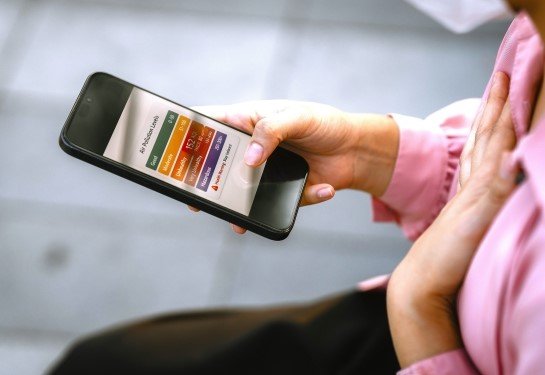
    • Check daily air quality forecasts on AirNow. The EPA website lets you enter your ZIP code to find out about air quality, which accounts for fine particulates, in your area.
    • Limit outdoor activity when pollution levels are high, especially during wildfire smoke events.
    • Use high-efficiency (HEPA) air filters indoors.
    • Keep windows closed on poor air quality days.
    • Avoid exercising near busy roads or heavily trafficked areas.
    • Use recirculated air settings in vehicles during heavy traffic or smoky situations.

    Funding

    The study with Kaiser Permanente was funded by grants to the University of California, Davis, from the National Institute of Health National Institutes on Aging (R01AG074347, R01AG050782)

    A full list of authors is available in the study

    Resources

    • Read the study
    Brains encyclopedia harming pollution Your
    HealthJustfine Team
    • Website
    • Facebook

    Related Posts

    Stein signs $319M NC Medicaid bill, extending healthcare coverage for millions in NC

    August 14, 2026

    What a Low Sperm Count Can Tell You About Fertility and Overall Health

    August 13, 2026

    Could a ‘sleep divorce’ improve your sleep — and your health?

    August 13, 2026
    Leave A Reply Cancel Reply

    Don't Miss
    Health Tech & Wearables

    Samsung Unveils On-Device Health AI Models for Wearables

    By HealthJustfine TeamAugust 14, 20260

    Samsung just made a major leap in wearable health tech. The company’s research division unveiled two AI foundation models – xMAE and HiMAE – that can analyze biosignals like heart rate and sleep patterns directly on smartwatch hardware, no cloud required. Both models earned acceptance at top AI conferences ICML and ICLR, signaling Samsung’s push…

    Stein signs $319M NC Medicaid bill, extending healthcare coverage for millions in NC

    August 14, 2026

    Air pollution may be harming your brain’s ‘encyclopedia’

    August 14, 2026

    My Favorite Sunrise Alarm Clock Now Tracks Your Sleep – No Wearable Required – CNET

    August 13, 2026
    Stay In Touch
    • Facebook
    • Twitter
    • Pinterest
    • Instagram
    • YouTube
    • Vimeo
    Our Picks

    Expert shares 6 tips to recover faster and stronger after intense workout sessions- Moneycontrol.com

    June 28, 2026

    These Viral Fitness & Wellness Recovery Products Are Taking Over TikTok Ahead of Prime Day

    June 28, 2026

    Life Time Has Created a Fitness and Recovery Paradise – Muscle & Fitness

    June 28, 2026

    The Movement Twenty Four: New 24-Hour Fitness and Recovery Hub Opens Down South

    June 28, 2026

    Subscribe to Updates

    Get the latest creative news from SmartMag about art & design.

    About Us

    Welcome to HealthJustFine.com, your trusted destination for reliable health news, wellness insights, and evidence-based information that empowers you to live a healthier life.
    Our mission is to make quality health information accessible, easy to understand, and relevant for everyone. We believe that staying informed is the first step toward making better decisions about your health, nutrition, fitness, and overall well-being. That’s why we deliver timely updates on the latest medical research, healthy living trends, preventive care, and wellness innovations from around the world.

    Our Picks

    Samsung Unveils On-Device Health AI Models for Wearables

    August 14, 2026

    Stein signs $319M NC Medicaid bill, extending healthcare coverage for millions in NC

    August 14, 2026

    Air pollution may be harming your brain’s ‘encyclopedia’

    August 14, 2026
    Latest Posts

    Expert shares 6 tips to recover faster and stronger after intense workout sessions- Moneycontrol.com

    June 28, 2026

    These Viral Fitness & Wellness Recovery Products Are Taking Over TikTok Ahead of Prime Day

    June 28, 2026

    Life Time Has Created a Fitness and Recovery Paradise – Muscle & Fitness

    June 28, 2026
    Facebook X (Twitter) Instagram Pinterest
    • About Us
    • Contact Us
    • Terms & Conditions
    • Privacy Policy
    • Disclaimer

    © 2026 healthjustfine.com. All rights reserved. Designed by DD.

    Type above and press Enter to search. Press Esc to cancel.