

Microbiome driven modulation of neurotransmitters: implications for neurotransmission and mood disorders
1. Office of Research Administration, Chiang Mai University, Chiang Mai, Thailand
2. Innovation Center for Holistic Health, Nutraceuticals, and Cosmeceuticals, Faculty of Pharmacy, Chiang Mai University, Chiang Mai, Thailand
3. School of Biomedical Sciences, Sri Balaji Vidyapeeth (Deemed to be University), Puducherry, India
Article metrics
View details
Abstract
The human gut microbiome has emerged as a crucial regulator of neurophysiological processes by engaging with the central nervous system (CNS) via the microbiota-gut-brain (MGB) axis. One of the most significant ways gut microorganisms influence brain functions is by altering the levels of neurotransmitters. A significant relationship exists between microbial activity and mood, behavior, and cognition. Gut microorganisms can make or break down bioactive substances like serotonin, dopamine, γ-aminobutyric acid (GABA), glutamate, acetylcholine, and histamine. These microbial modulations influence precursor availability, receptor sensitivity, synaptic signaling dynamics, and neuroimmune modulation, thereby indirectly shaping neurotransmission within central circuits. These neurochemical effects, particularly involving serotonergic, dopaminergic, GABAergic, and glutamatergic pathways, are mediated through microbial metabolites such as short-chain fatty acids (SCFAs), alterations in tryptophan metabolism, immune system activation, vagal nerve transmission, and the control of the hypothalamic–pituitary–adrenal (HPA) axis. Changes in the composition of the microbiome have been frequently linked to mood disorders, such as depression, anxiety, bipolar disorder, and schizophrenia. The current review integrates findings from preclinical and clinical studies on microbiome-related neurotransmitter modulation, emphasizing novel therapeutics such as probiotics, prebiotics, fecal microbiota transplantation, and dietary alterations. Unlike previous reviews that primarily focus on microbiome composition or therapeutic interventions such as probiotics and fecal microbiota transplantation, this review adopts a neurotransmitter-centered framework, integrating microbial regulation of serotonergic, dopaminergic, GABAergic, glutamatergic, cholinergic, and histaminergic systems with the pathophysiology of mood disorders. Connecting microbiota-driven modulation of neurochemistry to mental outcomes offers a promising adjunctive avenue for mood disorder management, pending rigorous mechanistic and clinical validation.
1 Introduction
The human gastrointestinal system hosts a vast and diverse microbial ecosystem, comprising over 100 trillion bacteria from over a thousand species and strains (Liu and Zhu, 2018). The gut microbiome does more than digest food; it also affects metabolism, immunity, and brain function. The microbiota-gut-brain (MGB) axis defines a two-way network that connects gut microbiota, the enteric nervous system (ENS), and the central nervous system (CNS) through neuronal, endocrine, and immunological pathways (Strandwitz, 2018; Mhanna et al., 2024; Barbosa et al., 2025; Dinan et al., 2013; Frost et al., 2014). Dysregulations in the MGB axis correlate with depression, anxiety, autism, schizophrenia, Alzheimer’s disease (AD), and Parkinson’s disease (PD) (Sudo et al., 2004; Bravo et al., 2011; Hsiao et al., 2013; Kelly et al., 2016; Harach et al., 2017; Młynarska et al., 2022; Khaledi et al., 2024; Wei et al., 2024).
Modulating neurotransmitters is a critical process. The gut synthesizes or modulates more than 30 neurotransmitters, such as serotonin, dopamine, γ-aminobutyric acid (GABA), norepinephrine, and acetylcholine (Barandouzi et al., 2022; Qu et al., 2024; Luqman et al., 2024; Zhang et al., 2024). More than 90% of serotonin and over half of dopamine come from the gut (Martin et al., 2018; Barandouzi et al., 2022; Alcaino et al., 2025). These chemicals and microbial precursors can enter circulation, modulate vagal signaling, or impact immunological and endocrine functions, influencing brain circuits associated with mood and cognition (Sudo et al., 2004; Yano et al., 2015; Bravo et al., 2011). This link is crucial to major depressive disorder (MDD), which is one of the most common causes of disability and affects about 15% of people over their lifetime (Halvorson et al., 2024). One-third of patients remain unresponsive despite treatment with selective serotonin reuptake inhibitors (SSRIs) and serotonin-norepinephrine reuptake inhibitors (Cuijpers et al., 2024; Tesfamicael et al., 2024). In treatment-resistant depression, renewed attention has been directed toward monoamine oxidase inhibitors, which offer mechanistically broader monoaminergic modulation and may benefit patients unresponsive to first-line agents (Junkes et al., 2025). Dysregulation of the MGB axis, characterized by heightened permeability, dysbiosis, and immunological activation, has been associated with MDD (Mhanna et al., 2024; Jiang et al., 2024; Zhao et al., 2024; Fangous et al., 2019; Wu et al., 2023). Individuals suffering from depression or anxiety frequently exhibit reduced microbial diversity and modifications at the phylum level within Firmicutes-to- Bacteroidetes ratio (Gao et al., 2023; Wu et al., 2023).
Germ-free rodents receiving fecal microbiota from individuals diagnosed with MDD exhibit increased anhedonia, behavioral despair, and altered tryptophan metabolism, providing causal evidence for microbiota-driven modulation of depressive phenotypes (Kelly et al., 2016; Zheng et al., 2016; Sanidad et al., 2024; Zhou et al., 2023). Similarly, transplantation of microbiota associated with prenatal depression induces hippocampal neuroinflammation and depressive-like behaviors in germ-free mice (Cao et al., 2025b). Stress alters microbial composition via the hypothalamic–pituitary–adrenal (HPA) axis, while probiotics alleviate behavioral and biochemical effects (Tan, 2023; Tofani et al., 2025). People with depression have less reelin, an extracellular matrix protein that helps control neuronal development and intestinal barrier integrity; it acts like an antidepressant (Halvorson et al., 2024; Reive et al., 2024). Dysbiosis leads to leaky gut, systemic inflammation, and disruption of the blood–brain barrier (BBB), which causes neuroinflammation in conditions such as depression, schizophrenia, and autism (Huang et al., 2024; Wachamo and Gaultier, 2025). Microbial metabolites and precursors, such as tryptophan and tyrosine, affect the production of serotonin and dopamine. Short-chain fatty acids (SCFAs) control neuroinflammation and synaptic plasticity, linking dysbiosis to AD and PD (Huang et al., 2024; Wachamo and Gaultier, 2025; Liu and Zhu, 2018; Strandwitz, 2018; Chen et al., 2021).
Probiotics, prebiotics, nutrition, and fecal microbiota transplantation (FMT) demonstrate therapeutic potential for mood disorders. Probiotics improve mood, reduce anxiety, and boost cognitive function, whereas FMT provides prolonged benefits for autism (Merkouris et al., 2024; Zheng et al., 2024; Brunocilla et al., 2023; Thangaleela et al., 2022)
In conclusion, gut microbiota influences neurotransmission, mood, and cognition. Disruption of the MGB axis results in psychiatric and neurodegenerative disorders, and restoring microbial homeostasis represents a feasible therapeutic strategy (Karimi et al., 2024; Gao et al., 2025; Wu et al., 2023). Although previous reviews have extensively discussed microbiome-based interventions such as probiotics, prebiotics, and fecal microbiota transplantation, most studies have focused on microbial composition, clinical outcomes, or general gut–brain interactions. Conversely, this review presents a mechanism-focused perspective on neurotransmitters, incorporating microbial effects on serotonin, dopamine, GABA, glutamate, acetylcholine, and histamine, along with neurobiological mechanisms specific to various disorders. This methodology establishes a framework that connects microbial metabolism to neurochemical signaling and psychiatric phenotypes, thus providing a more profound mechanistic understanding and potential pathways for precision psychobiotic treatments. This narrative review, informed by a structured literature search rather than a systematic reviewer. Relevant studies published between January 2000 and March 2025 by searching PubMed, Scopus, Web of Science, and Google Scholar were selected. The searches used combinations of keywords related to the microbiota–gut–brain axis, neurotransmitters, and mood disorders. Studies were selected for their relevance to the impact of the microbiota on neurotransmitter systems and neuropsychiatric effects, with particular emphasis on both mechanistic insights and practical applications. Priority was given to peer-reviewed original research articles, clinical studies, and comprehensive review papers. Additional relevant articles were identified through manual screening of reference lists of key publications. This narrative review aimed to provide a conceptual and integrated summary of important and scientifically relevant literature, rather than a complete or systematic analysis.
2 MGB axis: foundations of bidirectional communication
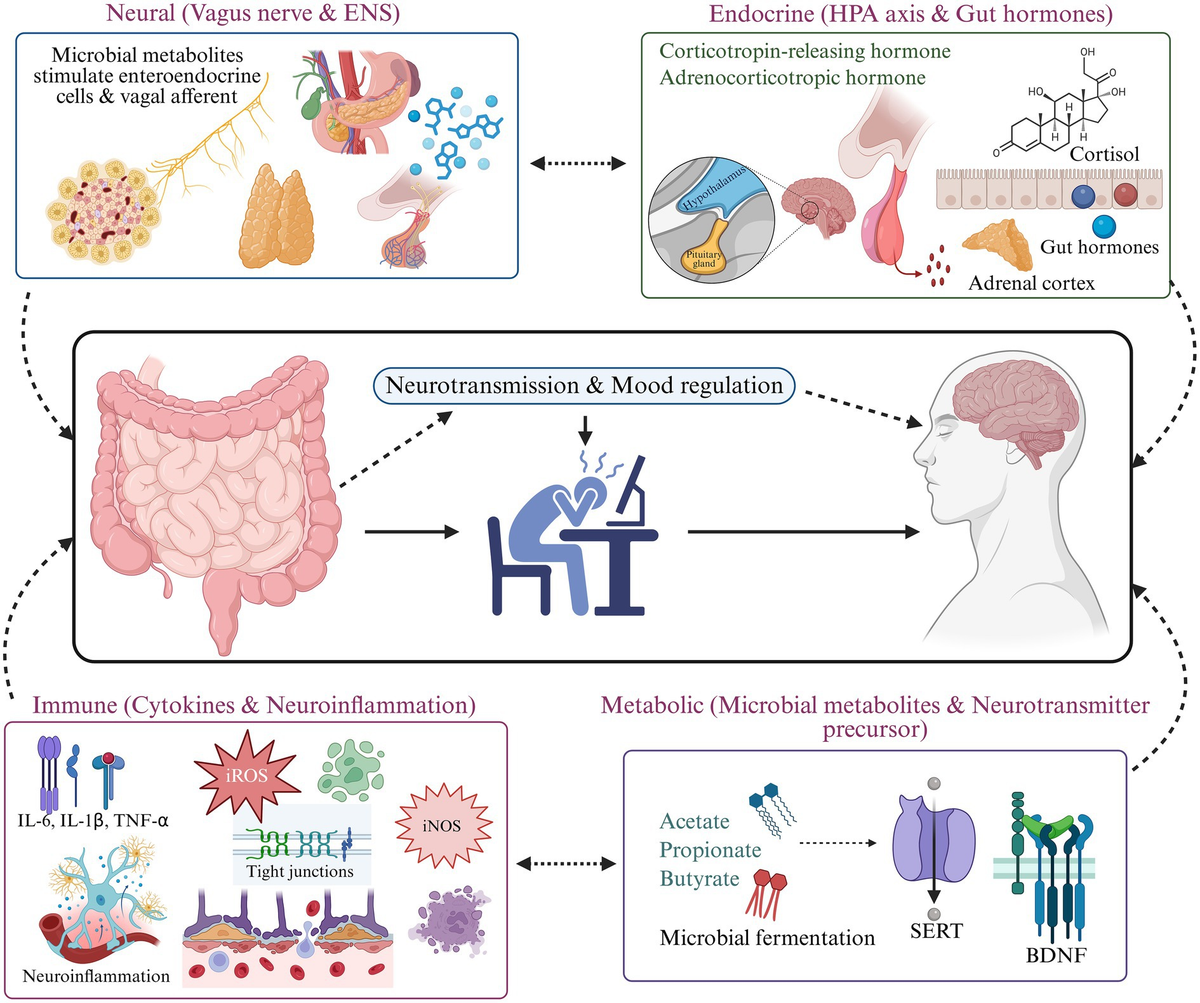
The gut microbiota can send signals to the CNS through several interconnected pathways. Neural signaling is crucial, with the vagus nerve acting as a primary pathway for bidirectional communication between the ENS and the brain, facilitating the influence of microbial metabolites and local neurochemical alterations on central processes (Bravo et al., 2011; Siopi et al., 2023; Jiang et al., 2024; He et al., 2024; Kearns, 2024). Endocrine mechanisms, particularly the HPA axis, exhibit sensitivity to microbial regulation; modifications in gut microbial composition can influence cortisol release and subsequently modify the host stress response (Doenyas et al., 2025; Zhang et al., 2025a). Simultaneously, the immune system represents essential pathways (HPA axis, neural, metabolic pathways) of interaction, as dysbiosis can compromise gut barrier integrity, enhance systemic inflammation, and enable cytokine-mediated alterations that affect neurotransmitter activity and receptor sensitivity (Warren et al., 2024; O’Riordan et al., 2025; Zainal Abidin et al., 2025). At the same time, microbial metabolites, particularly SCFAs, influence host serotonin biosynthesis through induction of tryptophan hydroxylase 1 in enterochromaffin cells (Reigstad et al., 2015; Merlo et al., 2024). Notably, specific gut bacteria possess tyrosine decarboxylase activity capable of converting L-DOPA to dopamine in the intestinal lumen, thereby altering systemic bioavailability of this neurotransmitter (Maini Rekdal et al., 2019). These interconnected pathways highlight the dynamic nature of the MGB axis and show how disturbances in gut microbes can alter neurotransmission and contribute to mood disorders (Liu and Zhu, 2018; Halvorson et al., 2024) (Figure 1).
3 Microbiome-mediated regulation of neurotransmitters
3.1 Serotonin
Serotonin, 5-hydroxytryptamine (5-HT), is one of the most important neurotransmitters for controlling mood, thought, sleep–wake cycles, and gut motility. Serotonin was once thought to be a central neurotransmitter, but it is now known that more than 90% of it is made in the gastrointestinal system by enterochromaffin cells, and just a small amount is made in the brain itself. The gut microbiota significantly affects this peripheral serotonin pool because it controls the amount of tryptophan available and the activity of critical synthesizing enzymes. For example, spore-forming bacteria can boost the activity of tryptophan hydroxylase 1 (TPH1), the enzyme that controls the rate of serotonin synthesis. This noticeably raises the levels of the neurotransmitter in the mucosa and in the blood (Chen et al., 2021; Li et al., 2024; Alcaino et al., 2025).
The close connection between gut microbiota and the host’s serotonin metabolism goes both ways. Bacterial species, including Clostridium, Bacillus, Streptococcus, Klebsiella, and Escherichia coli, can synthesize serotonin or serotonin-like substances both in vitro and in vivo, thereby directly influencing the host’s serotonergic environment. On the other hand, serotonin acts as a signaling molecule that modulates microbial growth, stimulating or inhibiting taxa within the intestinal ecosystem. Serotonin inhibits the growth of Candida albicans, but it promotes the development of other species, including Saccharomyces cerevisiae and Enterococcus faecalis, showing that serotonin has selective effects on microbial community dynamics (Liu et al., 2020; Akram et al., 2023; Xu and Lu, 2025; Ķimse et al., 2024). This demonstrates a reciprocal control in which gut microbiota affects serotonin production, and serotonin, in turn, regulates microbial composition. Bacteria influence host serotonin mainly by altering how tryptophan is metabolized. Under physiological settings, dietary tryptophan can be transformed into serotonin by enterochromaffin cells or redirected to the kynurenine route, the latter frequently linked to neurotoxic metabolites that exacerbate depression and cognitive impairment (Renga et al., 2023; Ramadan et al., 2025). Dysbiosis alters this delicate balance by enhancing kynurenine metabolism at the expense of serotonin synthesis, ultimately decreasing serotonergic tone and predisposing to mood disorders (Xu et al., 2025). Germ-free mice or animals subjected to antibiotic-induced microbiota depletion have modified serotonin levels in both plasma and cerebral areas, alongside increased anxiety-like behaviors, which revert to baseline upon recolonization with specific microbial taxa (Delgado-Ocaña and Cuesta, 2024). These findings underscore a developmental window of opportunity wherein the microbiome influences serotonergic circuitry with enduring effects. The consequences for neuropsychiatric health are significant. Alterations in serotonin signaling have been associated with the pathophysiology of depression, anxiety, and autism spectrum disorder (ASD) (Jiang et al., 2024). Recent meta-analytic evidence further demonstrates that cortical 5-HT2A receptor alterations are consistently associated with major depression and suicidal behavior, underscoring receptor-level serotonergic dysregulation as a critical pathophysiological substrate (Chapman et al., 2025).
Clinical evidence indicates that depressed individuals frequently exhibit diminished plasma tryptophan levels and modified gut microbial composition. Furthermore, fecal microbiota transplantation from depressed donors into germ-free rodents elicits depression-like behaviors, thereby illustrating a causal relationship for microbiome-driven serotonergic dysregulation (Kelly et al., 2016; Faraji et al., 2025). These translational correlations are summarized in Table 1. Similarly, abnormalities in serotonin metabolism have been described in ASD, with altered microbial profiles linked to impaired serotonergic signaling and behavioral symptoms, some of which may be ameliorated by microbiota-targeted interventions (Liu et al., 2019; Xiao et al., 2021; Aziz-Zadeh et al., 2025). Therapeutically, these findings show that the serotonin system is closely linked to the gut and cannot work separately from it. While SSRIs remain the cornerstone of antidepressant treatment, their efficacy appears to be influenced by microbial composition, suggesting that interindividual differences in gut microbiota may partially explain variability in clinical outcomes. Using probiotics like Lactobacillus plantarum or Bifidobacterium infantis, prebiotics, and fecal transplants are new ways to restore serotonin balance and support mental health (Xu et al., 2023; Xie et al., 2024; Dziedzic et al., 2024; Wang et al., 2023). The microbiome-serotonin axis serves as a key biological bridge between gut health and mental well-being, offering new possibilities for treating mood and neurodevelopmental disorders.
| Disorder | Microbiome alterations | Key neurotransmitter dysregulation | Mechanism | Clinical/Preclinical findings | References |
|---|---|---|---|---|---|
| MDD | Reduced α-diversity. Decreased the abundance of Faecalibacterium and Coprococcus. Increased pro-inflammatory taxa. | Reduced level of serotonin. Altered tryptophan-kynurenine balance. Glutamate imbalance. | Reduced SCFAs production. Increased intestinal permeability. Endotoxin-mediated inflammation. Diversion of tryptophan toward the kynurenine pathway. | FMT from depressed patients induces depressive-like behaviors in rodents. Clinical cohorts show reduced SCFA-producing taxa correlated with symptom severity. Probiotic supplementation demonstrates modest antidepressant effects. | Kelly et al. (2016), Souza et al. (2023), Averina et al. (2024), Mosquera et al. (2024), Rahmannia et al. (2024), and Cao et al. (2025a) |
| Anxiety disorders | Depletion of Lactobacillus and Bifidobacterium species | Reduced GABA signaling.Serotonergic instability. | Reduced microbial GABA synthesis.Altered vagal nerve signaling.Hyperactivation of the HPA axis. | Germ-free models exhibit increased anxiety-like behavior reversible with microbial restoration. Probiotic administration improves stress resilience and reduces anxiety symptoms in clinical trials. | Bravo et al. (2011), Siopi et al. (2023), Grau-Del Valle et al. (2023), Rahmannia et al. (2024), and Casertano et al. (2024) |
| Bipolar disorder | Altered microbial diversity. Immune-associated dysbiosis. | Glutamate-GABA imbalance and dopaminergic instability. | Microbial-driven neuroinflammation. Disruption of excitatory/inhibitory signaling. Metabolic and inflammatory interactions. | Observational studies report immune-associated dysbiosis correlated with mood instability; causal evidence remains limited. | McGuinness et al. (2024), Lin et al. (2024), and Chin Fatt et al. (2023) |
| Schizophrenia | Dysbiosis with an altered Firmicutes/Bacteroidetes ratio. | Dopamine dysregulation. Glutamatergic dysfunction. | Increased systemic inflammation. Activation of the kynurenine pathway. Microbial modulation of NMDA receptor signaling. | Clinical cohorts show altered microbial composition correlated with cognitive and symptom severity; glutamatergic and dopaminergic disturbances linked to inflammatory signaling. | Ahmed et al. (2024), McGuinness et al. (2024), Okubo et al. (2024), Hanson et al. (2024), and Młynarska et al. (2025) |
| PD | Increased Enterococcus faecalis. Reduced SCFAs producers. | Dopamine depletion. Impaired L-DOPA bioavailability. | Microbial tyrosine decarboxylase activity converting L-DOPA to dopamine in gut. Inflammation-mediated neurodegeneration. | Increased E. faecalis associated with reduced L-DOPA bioavailability. Reduced SCFA-producing taxa correlate with neuroinflammation and motor severity. | Maini Rekdal et al. (2019), Menozzi and Schapira (2024), Miyaue et al. (2025), Huang et al. (2024), and Loh et al. (2024) |
Microbiome alterations and neurotransmitter disruption across mood and neuropsychiatric disorders
GABA, Gamma-aminobutyric acid; HPA axis, Hypothalamic–Pituitary–Adrenal axis; L-DOPA, Levodopa (L-3,4-dihydroxyphenylalanine); MDD, Major depressive disorder; NMDA, N-methyl-D-aspartate; PD, Parkinson’s disease; SCFAs, Short-chain fatty acids
3.2 Dopamine
Dopamine, a catecholamine neurotransmitter crucial for reward processing, motivation, and motor control, is recognized to be significantly affected by gut microbiota (Hamamah et al., 2022; Hadrich et al., 2025). Approximately 50% of peripheral dopamine is synthesized within the gastrointestinal tract, primarily by enteric neurons and enteroendocrine cells, although this pool remains largely segregated from central dopaminergic circuits due to BBB constraints (Martin et al., 2018; van Kessel et al., 2019). Some commensal and opportunistic bacteria, like Escherichia coli, Klebsiella pneumoniae, and Morganella morganii, as well as some strains of Staphylococcus, can make dopamine and other catecholamines in vitro by decarboxylating l-3,4-dihydroxyphenylalanine (L-DOPA), or similar compounds (Sittipo et al., 2022; Averina et al., 2020; Jabbari Shiadeh et al., 2025). Such findings have provided a biological basis for the concept of microbial endocrinology, whereby microbial communities are not merely passive inhabitants of the gut but active participants in host neurochemical signaling. The influence of gut microbes on dopamine metabolism has been well demonstrated in germ-free animal models. Mice raised in sterile environments show altered dopamine turnover in brain regions such as the striatum and nucleus accumbens, suggesting that the absence of microbial-derived signals disrupts dopaminergic homeostasis (Sittipo et al., 2022; de Wouters d’Oplinter et al., 2022).
Recolonization with defined microbial consortia, particularly Clostridium species, restores dopamine and norepinephrine levels in the gut and partially normalizes central dopaminergic signaling (Sittipo et al., 2022). These findings indicate that the microbiota can directly influence catecholamine levels through microbial biosynthesis and indirectly by modulating host enzymes and metabolic pathways (Loh et al., 2024; Xu and Lu, 2025). A striking feature of this relationship is its bidirectionality: dopamine affects the host and acts as a growth and signaling molecule for microbes. Pathogenic strains such as Escherichia coli O157:H7 and Klebsiella pneumoniae demonstrate enhanced growth, motility, and virulence in the presence of dopamine and norepinephrine, a phenomenon linked to bacterial iron acquisition and quorum sensing (Dowd, 2007; Freestone et al., 2007). Thus, fluctuations in gut dopamine may reshape microbial community dynamics, which in turn feed back into host neurotransmitter balance, establishing a tightly interwoven ecological-neurochemical loop (Strandwitz, 2018; Loh et al., 2024). Disruption of this loop has been associated with several neuropsychiatric and neurodegenerative disorders. Alterations in the gut microbiota are linked to reduced dopaminergic signaling, which contributes to motivational deficits and anhedonia typical of depression, while microbial modulation of dopamine signaling has been associated with schizophrenia and ASD (Ahmed et al., 2024; Abildinova et al., 2024; Młynarska et al., 2025).
Clinically, dopaminergic instability linked to microbial dysbiosis has been associated with motivational deficits in depression, altered reward processing in bipolar disorder, and dopaminergic dysfunction in schizophrenia (Table 1). In PD, dysbiosis not only exacerbates neuroinflammation but also interferes with pharmacological dopamine replacement therapy. Notably, certain gut bacteria, such as Enterococcus faecalis possess tyrosine decarboxylase activity that converts L-DOPA into dopamine in the gut lumen, thereby limiting its systemic bioavailability and reducing the efficacy of L-DOPA-based treatment (Maini Rekdal et al., 2019; Menozzi and Schapira, 2024; Takeshige-Amano et al., 2025). This microbial interference has profound implications for disease management, as modulation of the gut microbiota may enhance therapeutic response in PD patients. These findings underscore that dopamine regulation extends beyond classical neuronal pathways and is profoundly shaped by the gut microbiota. By producing, metabolizing, and responding to dopamine, gut bacteria participate in a bidirectional exchange that links microbial ecology to brain function. Therapeutically, this raises the possibility that targeted interventions, such as probiotics, prebiotics, dietary modulation, or inhibition of microbial decarboxylase activity, may provide novel strategies to restore dopaminergic balance in disorders ranging from depression to PD (Ahmed et al., 2024; Młynarska et al., 2025; Miyaue et al., 2025).
3.3 GABA
GABA is the principal inhibitory neurotransmitter in the CNS, crucial for maintaining excitatory, inhibitory balance and regulating stress, anxiety, and emotional states (de Leon and Tadi, 2025; Arora et al., 2024). Alterations in GABAergic signaling have been consistently associated with psychiatric disorders such as depression, anxiety, and ASD (Cutler et al., 2023; Johnstone and Cohen Kadosh, 2024). The gut microbiota can modulate GABA levels through both direct biosynthesis and indirect effects on host signaling pathways. Several strains of Lactobacillus and Bifidobacterium encode glutamate decarboxylase enzymes capable of converting glutamate into GABA, thereby providing an exogenous source of this neurotransmitter (Miri et al., 2023; Ikegami et al., 2024; Liu et al., 2023). Experimental studies using germ-free or antibiotic-treated animals have shown that depletion of the microbiota reduces GABA availability and induces anxiety-like behaviors, whereas colonization with GABA-producing bacteria restores GABA levels and alleviates stress responses (Strandwitz, 2018; Bravo et al., 2011). Notably, Lactobacillus rhamnosus JB-1 administration altered GABA receptor expression in distinct brain regions and reduced corticosterone levels, with these effects abolished by vagotomy, highlighting the vagus nerve as a key signaling route in the MGB axis (Siopi et al., 2023). While GABA itself cannot cross the BBB, microbiota-derived GABA influences CNS function through vagal activation, modulation of the HPA axis, immune regulation, and microbial metabolites such as acetate that integrate into hypothalamic GABA metabolism (Belelli et al., 2025). Translational studies further indicate clinical potential, as probiotic supplementation with GABA-producing strains, including Lactobacillus casei and Bifidobacterium, has been associated with reduced psychological distress and improved mood in humans as shown in Table 1, Casertano et al. (2024), and Braga et al. (2024). Together, these findings establish microbial GABA production as a key mechanism contributing to the anxiolytic and antidepressant effects of specific probiotics, underscoring its therapeutic relevance in neuropsychiatric disorders.
3.4 Glutamate
Glutamate, the primary excitatory neurotransmitter, modulates synaptic plasticity and cognitive functions (de León-López et al., 2025). Dysregulated glutamatergic signaling, especially concerning N-methyl-D-aspartate receptor activation, has been associated with depression and schizophrenia (Hanson et al., 2024; Okubo et al., 2024). Recent translational advances indicate that modulation of NMDA and AMPA receptor dynamics underlies the rapid antidepressant effects of glutamatergic agents, further emphasizing glutamate receptor plasticity as a therapeutic target in mood disorders (Freudenberg et al., 2025). Microbial metabolites, such as SCFAs and tryptophan derivatives, can indirectly influence glutamatergic neurotransmission (Takeda et al., 2025; Chen et al., 2025), whereas certain bacteria synthesize glutamate directly (Miri et al., 2023; Zhang et al., 2024). The fragile equilibrium between excitatory glutamate and inhibitory GABA may be affected by microbial makeup, resulting in mood disorders (Gruenbaum et al., 2024; Loh et al., 2024). Longitudinal neuroimaging studies demonstrate that cerebral glutamate trajectories in antipsychotic-naïve first-episode psychosis patients correlate with symptom severity and cognitive outcomes over time, reinforcing the clinical relevance of glutamatergic imbalance in psychotic disorders (Bojesen et al., 2025). This imbalance has been implicated in mood disorders, schizophrenia, and bipolar disorder. In these conditions, inflammatory activation and kynurenine pathway alterations may further disturb NMDA receptor–mediated signaling as shown in Table 1.
3.5 Histamine and acetylcholine
Acetylcholine is produced by both the host and specific microorganisms, like Lactobacillus plantarum, affecting mood, cognition, and alertness (Chen et al., 2021; He et al., 2024). Microbial acetylcholine synthesis may facilitate cholinergic signaling in the ENS and influence CNS function through vagal pathways (Ortega et al., 2023). Certain bacteria, including Morganella morganii and Klebsiella pneumoniae, have been implicated in histamine production and neuro-immune signaling, with overactive histaminergic activity potentially exacerbating neuroinflammation and anxiety (Bang et al., 2025). Changes in the microbiome in mood disorders are well documented: in MDD, diminished microbial diversity and lower prevalence of SCFA-producing taxa (Faecalibacterium prausnitzii) are observed alongside increased pro-inflammatory bacteria (Grau-Del Valle et al., 2023; Wu et al., 2023). Anxiety disorders correlate with the depletion of Lactobacillus and Bifidobacterium populations, and probiotic therapy aimed at these strains mitigates anxiety-like behavior (Grau-Del Valle et al., 2023). Dysregulated glutamatergic and GABAergic signaling, resulting from microbial dysbiosis, has been associated with schizophrenia and bipolar disease (Ahmed et al., 2024) (Table 1).
3.6 Integrative mechanisms of microbial–neurochemical modulation
Although individual neurotransmitters have been discussed separately, emerging evidence suggests that microbiome–neurochemical interactions operate within an integrated, hierarchical framework rather than through isolated pathways. Three principal mechanistic layers can be distinguished: (1) direct microbial neurotransmitter synthesis, (2) precursor modulation affecting host biosynthetic pathways, and (3) immune–endocrine–metabolic mediation. Direct synthesis of GABA, serotonin analogs, or catecholamines by specific bacterial strains may exert rapid peripheral effects and modulate enteric signaling. However, precursor modulation, particularly of tryptophan and tyrosine, exerts broader systemic effects by altering substrate availability for central neurotransmitter production and shifting metabolic partitioning toward either the serotonergic or the kynurenine pathways. Immune-mediated and metabolic mechanisms appear to have the greatest downstream impact. Microbial metabolites such as SCFAs regulate microglial activation, blood–brain barrier permeability, and synaptic plasticity, while cytokine signaling and HPA axis modulation reshape stress responsivity and neurotransmitter receptor sensitivity (Grundeken and EI Aidy, 2025). Disorder-specific patterns also emerge. MDD is strongly associated with inflammatory signaling and tryptophan–kynurenine imbalance. Anxiety phenotypes demonstrate prominent vagal and GABAergic modulation. PD highlights microbial interference with dopaminergic pharmacokinetics, particularly L-DOPA metabolism. Schizophrenia and bipolar disorder exhibit disturbances in excitatory–inhibitory equilibrium linked to glutamatergic and GABAergic dysregulation. Importantly, environmental exposures during neurodevelopment, including adolescent nicotine exposure, induce persistent neurocircuitry alterations that increase lifelong psychiatric vulnerability, highlighting critical windows during which microbiome–neurotransmitter interactions may exert amplified effects (Reynolds et al., 2025). This mechanistic synthesis highlights synergistic interactions among microbial pathways and shifts the conceptual framework from neurotransmitter-specific effects toward systems-level modulation of neural circuits.
4 Translational implications, challenges, and future directions in microbiome-based interventions
The development of microbiome–transmitter interventions has moved from theoretical concepts to clinical trials. Rather than seeing psychobiotics and microbiome modulation as one-size-fits-all solutions, growing evidence suggests that their therapeutic effects are specific to certain disorders and are mechanistically linked to changes in neurotransmitter systems and behavioral symptoms
Major depressive disorder (MDD)—In cases of MDD, studies consistently report decreased microbial diversity and a loss of SCFA-producing bacteria, along with altered tryptophan–kynurenine metabolism and serotonergic imbalance. Meta-analyses show that probiotic supplements can produce small but consistent antidepressant effects, especially when combined with medication (Mosquera et al., 2024; Rahmannia et al., 2024; Brunocilla et al., 2023). These benefits are thought to involve increased peripheral serotonin, higher SCFA levels, and reduced HPA axis activity (Bertollo et al., 2025). FMT studies support causality: transferring microbiota from depressed individuals can cause despair-like and anhedonic behaviors in rodents (Kelly et al., 2016), and early clinical trials report symptom improvements, though with some methodological limitations (Zhang et al., 2025b). Variability in strains, dosages, and participant features limits reproducibility (Cao et al., 2025a, 2025b).
Anxiety disorders–anxiety is often linked to a depletion of Lactobacillus and Bifidobacterium species and reduced microbial GABA production. Probiotics have shown anxiety-reducing effects in preclinical and clinical studies, likely through modulation of vagal signaling and lowering HPA axis hyperactivity (Rahmannia et al., 2024; Sanidad et al., 2024). Diets rich in prebiotic fibers and fermented foods can promote microbial diversity and SCFA production, possibly stabilizing stress responses and emotional regulation (Schneider et al., 2024; Balasubramanian et al., 2024; Clerici et al., 2025). Short-term probiotic use also improves stress resilience in healthy people, indicating potential preventive benefits (Sarita et al., 2025).
Bipolar disorder and schizophrenia—In bipolar disorder and schizophrenia, microbial imbalance overlaps with glutamatergic–GABAergic dysregulation and dopaminergic instability. While controlled trials are limited, emerging evidence suggests microbiome modulation may reduce inflammation and excitatory–inhibitory imbalance. However, medication, diet, and lifestyle factors complicate findings, and current data are mostly correlational (Chin Fatt et al., 2023).
Precision and mechanism-based strategies—Advances in multi-omics combining metagenomics, metabolomics, and host transcriptomics are starting to reveal how microbes influence neurochemistry. For instance, certain Clostridium species promote colonic serotonin production by increasing TPH1 expression (Bai et al., 2024). Biomarkers like plasma serotonin, kynurenine/tryptophan ratios, and neuroimaging can help track target engagement in personalized trials (Hernández-Cacho et al., 2025). The field is shifting from broad probiotics to strain-specific psychobiotics, engineered microbial consortia, and postbiotics aimed at specific neurochemical pathways (Dong and Mayer, 2024; Marano et al., 2025). Combining microbiome therapies with standard drugs might improve outcomes, especially when inflammation or metabolic issues reduce antidepressant effectiveness (Pan et al., 2025).
Challenges and future directions—Despite promising progress, many challenges remain. Proving causality in humans is difficult due to factors such as diet, medication, other health issues, and individual differences in the microbiome (Chin Fatt et al., 2023). Most studies are associative, and standardized methods for strain identification, dosing, FMT procedures, and long-term follow-up are urgently needed (Rosell-Cardona et al., 2025). Additionally, the gut microbiome includes not only bacteria but also archaea, fungi, and viruses, suggesting that single-strain approaches might oversimplify complex interactions (Strandwitz, 2018; Butler et al., 2025). Future research should incorporate ecosystem complexity along with mechanistic insights. Overall, microbiome-based interventions are promising as supplementary strategies rather than immediate replacements in psychiatric care. The goal is to develop personalized, mechanism-based psychobiotics informed by microbial profiles, neurotransmitter measurements, and behavioral assessments, aiming to make microbiota–neurotransmitter modulation a key part of precision psychiatry.
5 Conclusion
The gut microbiota has emerged as a dynamic regulator of neurotransmitter systems, reshaping current perspectives on mood and neuropsychiatric disorders. Microbial communities influence serotonergic, dopaminergic, GABAergic, glutamatergic, cholinergic, and histaminergic signaling through integrated neural, immune, endocrine, and metabolic mechanisms. Although accumulating evidence supports the microbiome as a modifiable biological interface linking peripheral physiology with central neurochemistry, translation into clinical psychiatry requires rigorous mechanistic validation. Precision psychobiotic strategies tailored to individual microbial signatures may represent a future adjunct to conventional pharmacotherapy. Continued integration of multi-omics profiling, longitudinal human studies, and biomarker-guided trials will determine the extent to which microbiota-targeted therapies can enhance psychiatric care. The key innovation of this review lies in integrating microbiome research within a unified neurotransmitter-centered framework, providing a mechanistic link between microbial activity and neuropsychiatric outcomes.
Statements
Funding
The author(s) declared that financial support was received for this work and/or its publication. This research was supported by the Fundamental Fund, Chiang Mai University, Chiang Mai, Thailand
Acknowledgments
The authors (BSS, PK, and CC) gratefully acknowledge Chiang Mai University, Chiang Mai, for its support
Conflict of interest
The author(s) declared that this work was conducted in the absence of any commercial or financial relationships that could be construed as a potential conflict of interest
The author BSS declared that they were an editorial board member of Frontiers, at the time of submission. This had no impact on the peer review process and the final decision
Generative AI statement
The author(s) declared that Generative AI was not used in the creation of this manuscript
Any alternative text (alt text) provided alongside figures in this article has been generated by Frontiers with the support of artificial intelligence and reasonable efforts have been made to ensure accuracy, including review by the authors wherever possible. If you identify any issues, please contact us
Publisher’s note
All claims expressed in this article are solely those of the authors and do not necessarily represent those of their affiliated organizations, or those of the publisher, the editors and the reviewers. Any product that may be evaluated in this article, or claim that may be made by its manufacturer, is not guaranteed or endorsed by the publisher
References
AbildinovaG. Z.BenberinV. V.VochshenkovaT. A.AfsharA.MussinN. M.KaliyevA. A.et al. (2024). The gut-brain-metabolic axis: exploring the role of microbiota in insulin resistance and cognitive function. Front. Microbiol.15:1463958. doi: 10.3389/fmicb.2024.1463958
2
AhmedG. K.RamadanH. K. A.ElbehK.HaridyN. A. (2024). Bridging the gap: associations between gut microbiota and psychiatric disorders. Middle East Curr. Psychiatry31:2. doi: 10.1186/s43045-024-00395-9
3
AkramN.FaisalZ.IrfanR.ShahY. A.BatoolS. A.ZahidT.et al. (2023). Exploring the serotonin-probiotics-gut health axis: a review of current evidence and potential mechanisms. Food Sci. Nutr.12, 694–706. doi: 10.1002/fsn3.3826
4
AlcainoC.GuccioN.MiedzybrodzkaE. L.QualeJ. R.LuT.DavisonA.et al. (2025). Mechanisms of activation and serotonin release from human enterochromaffin cells. Cell. Mol. Gastroenterol. Hepatol.19:101610. doi: 10.1016/j.jcmgh.2025.101610
5
AroraI.MalP.AroraP.PaulA.KumarM. (2024). GABAergic implications in anxiety and related disorders. Biochem. Biophys. Res. Commun.724:150218. doi: 10.1016/j.bbrc.2024.150218
6
AverinaO. V.PoluektovaE. U.ZorkinaY. A.KovtunA. S.DanilenkoV. N. (2024). Human gut microbiota for diagnosis and treatment of depression. Int. J. Mol. Sci.25:5782. doi: 10.3390/ijms25115782
7
AverinaO. V.ZorkinaY. A.YunesR. A.KovtunA. S.UshakovaV. M.MorozovaA. Y.et al. (2020). Bacterial metabolites of human gut microbiota correlating with depression. Int. J. Mol. Sci.21:9234. doi: 10.3390/ijms21239234
8
Aziz-ZadehL.RingoldS. M.JayashankarA.KilroyE.ButeraC.JacobsJ. P.et al. (2025). Relationships between brain activity, tryptophan-related gut metabolites, and autism symptomatology. Nat. Commun.16:3465. doi: 10.1038/s41467-025-58459-1
9
BaiJ.EldridgeR.HouserM.MartinM.PowellC.SuttonK. S.et al. (2024). Multi-omics analysis of the gut microbiome and metabolites associated with the psychoneurological symptom cluster in children with cancer receiving chemotherapy. J. Transl. Med.22:256. doi: 10.1186/s12967-024-05066-1
10
BalasubramanianR.SchneiderE.GunnigleE.CotterP. D.CryanJ. F. (2024). Fermented foods: harnessing their potential to modulate the microbiota-gut-brain axis for mental health. Neurosci. Biobehav. Rev.158:105562. doi: 10.1016/j.neubiorev.2024.105562
11
BangS.ShinY. H.ParkS. M.DengL.WilliamsonR. T.GrahamD. B.et al. (2025). Unusual phospholipids from Morganella morganii linked to depression. J. Am. Chem. Soc.147, 2998–3002. doi: 10.1021/jacs.4c15158
12
BarandouziZ. A.LeeJ.Del Carmen RosasM.ChenJ.HendersonW. A.StarkweatherA. R.et al. (2022). Associations of neurotransmitters and the gut microbiome with emotional distress in mixed type of irritable bowel syndrome. Sci. Rep.12:1648. doi: 10.1038/s41598-022-05756-0
13
BarbosaI. G.MirandaA. S.BerkM.TeixeiraA. L. (2025). The involvement of the microbiota-gut-brain axis in the pathophysiology of mood disorders and therapeutic implications. Expert. Rev. Neurother.25, 85–99. doi: 10.1080/14737175.2024.2438646
14
BelelliD.LambertJ. J.WanM. L. Y.MonteiroA. R.NuttD. J.SwinnyJ. D. (2025). From bugs to brain: unravelling the GABA signalling networks in the brain-gut-microbiome axis. Brain148, 1479–1506. doi: 10.1093/brain/awae413
15
BertolloA. G.SantosC. F.BagatiniM. D.IgnácioZ. M. (2025). Hypothalamus-pituitary-adrenal and gut-brain axes in biological interaction pathway of the depression. Front. Neurosci.19:1541075. doi: 10.3389/fnins.2025.1541075
16
BojesenK. B.LemvighC. K.SigvardA. K.VestergaardM. B.LarssonH. B. W.RostrupE.et al. (2025). Cerebral glutamate levels over two years in initially antipsychotic-naïve first-episode patients with psychosis are related to clinical symptoms and cognition. Mol. Psychiatry30, 5652–5663. doi: 10.1038/s41380-025-03234-3
17
BragaJ. D.ThongngamM.KumrungseeT. (2024). Gamma-aminobutyric acid as a potential postbiotic mediator in the gut-brain axis. NPJ Sci. Food8:16. doi: 10.1038/s41538-024-00253-2
18
BravoJ. A.ForsytheP.ChewM. V.EscaravageE.SavignacH. M.DinanT. G.et al. (2011). Ingestion of Lactobacillus strain regulates emotional behavior and central GABA receptor expression in a mouse doi: 10.1073/pnas.1102999108
19
BrunocillaC.ConsoleL.RovellaF.IndiveriC. (2023). Insights into the transport cycle of LAT1 and interaction with the inhibitor JPH203. Int. J. Mol. Sci.24:4042. doi: 10.3390/ijms24044042
20
ButlerM. I.Kittel-SchneiderS.Wagner-SkacelJ.MörklS.ClarkeG. (2025). The gut microbiome in anxiety disorders. Curr. Psychiatry Rep.27, 347–361. doi: 10.1007/s11920-025-01604-w
21
CaoY.ChengY.PanW.DiaoJ.SunL.MengM. (2025a). Gut microbiota variations in depression and anxiety: a systematic review. BMC Psychiatry25:443. doi: 10.1186/s12888-025-06871-8
22
CaoY.FanX.ZangT.QiuT.FangQ.BaiJ.et al. (2025b). Prenatal depression-associated gut microbiota induces depressive-like behaviors and hippocampal neuroinflammation in germ-free mice. Transl. Psychiatry15:383. doi: 10.1038/s41398-025-03606-x
23
CasertanoM.DekkerM.ValentinoV.De FilippisF.FoglianoV.ErcoliniD. (2024). GABA-producing lactobacilli boost cognitive reactivity to negative mood without improving cognitive performance: a human double-blind placebo-controlled cross-over study. Brain Behav. Immun.122, 256–265. doi: 10.1016/j.bbi.2024.08.029
24
ChapmanG. E.TurnerG.NoarA. P.BarbaT.ZafarR.McCutcheonR. A.et al. (2025). Cortical 5-HT2A receptors in depression and suicide: a systematic review and meta-analysis of in vivo and post-mortem imaging studies. Mol. Psychiatry30, 6045–6062. doi: 10.1038/s41380-025-03233-4
25
ChenX.WeiJ.ZhangL.WangH.ZhangY.LiZ.et al. (2025). Association between plasma short-chain fatty acids and inflammation in human immunodeficiency virus-associated neurocognitive disorder: a pilot study. Lipids Health Dis.24:66. doi: 10.1186/s12944-025-02477-x
26
ChenY.XuJ.ChenY. (2021). Regulation of neurotransmitters by the gut microbiota and effects on cognition in neurological disorders. Nutrients13:2099. doi: 10.3390/nu13062099
27
Chin FattC. R.AsburyS.JhaM. K.MinhajuddinA.SethuramS.MayesT.et al. (2023). Leveraging the microbiome to understand clinical heterogeneity in depression: findings from the T-RAD study. Transl. Psychiatry13:139. doi: 10.1038/s41398-023-02416-3
28
ClericiL.BottariD.BottariB. (2025). Gut microbiome, diet and depression: literature review of microbiological, nutritional and neuroscientific aspects. Curr. Nutr. Rep.14:30. doi: 10.1007/s13668-025-00619-2
29
CuijpersP.MiguelC.HarrerM.CiharovaM.KaryotakiE. (2024). The outcomes of mental health care for depression over time: a meta-regression analysis of response rates in usual care. J. Affect. Disord.358, 89–96. doi: 10.1016/j.jad.2024.05.019
30
CutlerA. J.MattinglyG. W.MaleticV. (2023). Understanding the mechanism of action and clinical effects of neuroactive steroids and GABAergic compounds in major depressive disorder. Transl. Psychiatry13:228. doi: 10.1038/s41398-023-02514-2
31
de LeonA.S.TadiP. (2025). Biochemistry, gamma aminobutyric acid. In: StatPearls [Internet]. Treasure Island (FL): StatPearls Publishing. Available online at: https://www.ncbi.nlm.nih.gov/books/NBK551683/ (Accessed May 1, 2023)
32
de León-LópezC. A. M.Carretero-ReyM.KhanZ. U. (2025). AMPA receptors in synaptic plasticity, memory function, and brain diseases. Cell. Mol. Neurobiol.45:14. doi: 10.1007/s10571-024-01529-7
33
de Wouters d’OplinterA.HuwartS. J. P.CaniP. D.EverardA. (2022). Gut microbes and food reward: from the gut to the brain. Front. Neurosci.16:947240. doi: 10.3389/fnins.2022.947240
34
Delgado-OcañaS.CuestaS. (2024). From microbes to mind: germ-free models in neuropsychiatric research. mBio15:e0207524. doi: 10.1128/mbio.02075-24
35
DinanT. G.StantonC.CryanJ. F. (2013). Psychobiotics: a novel class of psychotropic. Biol. Psychiatry74, 720–726. doi: 10.1016/j.biopsych.2013.05.001
36
DoenyasC.ClarkeG.CserjésiR. (2025). Gut-brain axis and neuropsychiatric health: recent advances. Sci. Rep.15:3415. doi: 10.1038/s41598-025-86858-3
37
DongT. S.MayerE. (2024). Advances in brain-gut-microbiome interactions: a comprehensive update on signaling mechanisms, disorders, and therapeutic implications. Cell. Mol. Gastroenterol. Hepatol.18, 1–13. doi: 10.1016/j.jcmgh.2024.01.024
38
DowdS. E. (2007). Escherichia coli O157:H7 gene expression in the presence of catecholamine norepinephrine. FEMS Microbiol. Lett.273, 214–223. doi: 10.1111/j.1574-6968.2007.00800.x
39
DziedzicA.MaciakK.Bliźniewska-KowalskaK.GałeckaM.KobiereckaW.SalukJ. (2024). The power of psychobiotics in depression: a modern approach through the microbiota-gut-brain Axis: a literature review. Nutrients16:1054. doi: 10.3390/nu16071054
40
FangousM. S.AlexandreY.HymeryN.GouriouS.ArzurD.BlayG. L.et al. (2019). Lactobacilli intra-tracheal administration protects from Pseudomonas aeruginosa pulmonary infection in mice – a proof of concept. Benef. Microbes10, 893–900. doi: 10.3920/BM2019.0069
41
FarajiN.PayamiB.EbadpourN.GorjiA. (2025). Vagus nerve stimulation and gut microbiota interactions: a novel therapeutic avenue for neuropsychiatric disorders. Neurosci. Biobehav. Rev.169:105990. doi: 10.1016/j.neubiorev.2024.105990
42
FreestoneP. P.HaighR. D.LyteM. (2007). Blockade of catecholamine-induced growth by adrenergic and dopaminergic receptor antagonists in Escherichia coli O157:H7, Salmonella enterica and Yersinia enterocolitica. BMC Microbiol.7:8. doi: 10.1186/1471-2180-7-8
43
FreudenbergF.Reif-LeonhardC.DawsonG. R.McKernanR. M.ReifA. (2025). All roads lead to glutamate: NMDA and AMPA receptors as targets for rapid-acting antidepressants. Pharmacol. Res.220:107918. doi: 10.1016/j.phrs.2025.107918
44
FrostG.SleethM. L.Sahuri-ArisoyluM.LizarbeB.CerdanS.BrodyL. (2014). The short-chain fatty acid acetate reduces appetite .1038/ncomms4611
45
GaoX.FuN.BenQ.BuX. (2025). A Meta-analysis of the effects of gut microbiota-based interventions on gastrointestinal and behavioral symptoms in children with autism Spectrum disorder. Nutr. Rev.84, 500–513. doi: 10.1093/nutrit/nuaf050
46
GaoM.WangJ.LiuP.TuH.ZhangR.ZhangY.et al. (2023). Gut microbiota composition in depressive disorder: a systematic review, meta-analysis, and meta-regression. Transl. Psychiatry13:379. doi: 10.1038/s41398-023-02670-5
47
Grau-Del ValleC.FernándezJ.SoláE.Montoya-CastillaI.MorillasC.BañulsC. (2023). Association between gut microbiota and psychiatric disorders: a systematic review. Front. Psychol.14:1215674. doi: 10.3389/fpsyg.2023.1215674
48
GruenbaumB. F.MerchantK. S.ZlotnikA.BoykoM. (2024). Gut microbiome modulation of glutamate dynamics: implications for brain health and neurotoxicity. Nutrients16:4405. doi: 10.3390/nu16244405
49
GrundekenE.El AidyS. (2025). Enteroendocrine cells: the gatekeepers of microbiome-gut-brain communication. NPJ Biofilms Microbiomes11:179. doi: 10.1038/s41522-025-00810-x
50
HadrichI.TurkiM.ChaariI.AbdelmoulaB.GargouriR.KhemakhemN.et al. (2025). Gut mycobiome and neuropsychiatric disorders: insights and therapeutic potential. Front. Cell. Neurosci.18:1495224. doi: 10.3389/fncel.2024.1495224
51
HalvorsonC. S.Sánchez-LafuenteC. L.JohnstonJ. N.KalynchukL. E.CarunchoH. J. (2024). Molecular mechanisms of Reelin in the enteric nervous system and the microbiota-gut-brain Axis: implications for depression and antidepressant therapy. Int. J. Mol. Sci.25:814. doi: 10.3390/ijms25020814
52
HamamahS.AghazarianA.NazaryanA.HajnalA.CovasaM. (2022). Role of microbiota-gut-brain Axis in regulating dopaminergic signaling. Biomedicine10:436. doi: 10.3390/biomedicines10020436
53
HansonJ. E.YuanH.PerszykR. E.BankeT. G.XingH.TsaiM. C. (2024). Therapeutic potential of N-methyl-D-aspartate receptor modulators in psychiatry. Neuropsychopharmacol.49, 51–66. doi: 10.1038/s41386-023-01614-3
54
HarachT.MarungruangN.DuthilleulN.CheathamV.Mc CoyK. D.FrisoniG.et al. (2017). Reduction of Abeta amyloid pathology in APPPS1 transgenic mice in the absence of gut microbiota. Sci. Rep.7:41802. doi: 10.1038/srep41802
55
HeY.WangK.SuN.YuanC.ZhangN.HuX.et al. (2024). Microbiota-gut-brain axis in health and neurological disease: interactions between gut microbiota and the nervous system. J. Cell. Mol. Med.28:e70099. doi: 10.1111/jcmm.70099
56
Hernández-CachoA.García-GavilánJ. F.AtzeniA.KonstantiP.BelzerC.VioqueJ.et al. (2025). Multi-omics approach identifies gut microbiota variations associated with depression. NPJ Biofilms Microbiomes11:68. doi: 10.1038/s41522-025-00707-9
57
HsiaoE. Y.McBrideS. W.HsienS.SharonG.HydeE. R.McCueT.et al. (2013). Microbiota modulate behavioral and physiological abnormalities associated with neurodevelopmental disorders. Cell155, 1451–1463. doi: 10.1016/j.cell.2013.11.024
58
HuangY.WangY. F.MiaoJ.ZhengR. F.LiJ. Y. (2024). Short-chain fatty acids: important components of the gut-brain axis against AD. Biomed. Pharmacother.175:116601. doi: 10.1016/j.biopha.2024.116601
59
IkegamiM.NarabayashiH.NakataK.YamashitaM.SugiY.FujiY.et al. (2024). Intervention in gut microbiota increases intestinal γ-aminobutyric acid and alle intestinal epithelial cells. Front. Cell. Infect. Microbiol.14:1421791. doi: 10.3389/fcimb.2024.1421791
60
Jabbari ShiadehS. M.ChanW. K.RasmussonS.HassanN.JocaS.WestbergL.et al. (2025). Bidirectional crosstalk between the gut microbiota and cellular compartments of brain: implications for neurodevelopmental and neuropsychiatric disorders. Transl. Psychiatry15:278. doi: 10.1038/s41398-025-03504-2
61
JiangM.KangL.WangY. L.ZhouB.LiH. Y.YanQ.et al. (2024). Mechanisms of microbiota-gut-brain axis communication in anxiety disorders. Front. Neurosci.18:1501134. doi: 10.3389/fnins.2024.1501134
62
JohnstoneN.Cohen KadoshK. (2024). Excitatory and inhibitory neurochemical markers of anxiety in young females. Dev. Cogn. Neurosci.66:101363. doi: 10.1016/j.dcn.2024.101363
63
JunkesL.QuagliatoL. A.AppolinarioJ. C.ShaderR. I.NardiA. E. (2025). MAO inhibitors for treatment-resistant depression: bringing an updated perspective on pioneering drugs. Pharmacol. Res.219:107876. doi: 10.1016/j.phrs.2025.107876
64
KarimiM.ShirsalimiN.HashempourZ.Salehi OmranH.SedighiE.BeigiF.et al. (2024). Safety and efficacy of fecal microbiota transplantation (FMT) as a modern adjuvant therapy in various diseases and disorders: a comprehensive literature review. Front. Immunol.15:1439176. doi: 10.3389/fimmu.2024.1439176
65
KearnsR. (2024). Gut-brain axis and neuroinflammation: the role of gut permeability and the kynurenine pathway in neurological disorders. Cell. Mol. Neurobiol.44:64. doi: 10.1007/s10571-024-01496-z
66
KellyJ. R.BorreY.O’ BrienC.PattersonE.El AidyS.DeaneJ.et al. (2016). Transferring the blues: depression-associated gut microbiota induces neurobehavioural changes in the rat. J. Psychiatr. Res.82, 109–118. doi: 10.1016/j.jpsychires.2016.07.019
67
KhalediM.SameniF.GholipourA.ShahrjerdiS.GolmohammadiR.Gouvarchin GhalehH. E.et al. (2024). Potential role of gut microbiota in major depressive disorder: a review. Heliyon10:e33157. doi: 10.1016/j.heliyon.2024.e33157
68
ĶimseL.ReinisA.Miķelsone-JansoneL.GintereS.KrūmiņaA. (2024). A narrative review of psychobiotics: probiotics that influence the gut-brain Axis. Medicina (Kaunas)60:601. doi: 10.3390/medicina60040601
69
LiG.DongS.LiuC.YangJ.RensenP. C. N.WangY. (2024). Serotonin signaling to regulate energy metabolism: a gut microbiota perspective. Life Metab4:loae039. doi: 10.1093/lifemeta/loae039
70
LinX.HuangJ.WangS.ZhangK. (2024). Bipolar disorder and the gut microbiota: a bibliometric analysis. Front. Neurosci.18:1290826. doi: 10.3389/fnins.2024.1290826
71
LiuT.FeenstraK. A.HeringaJ.HuangZ. (2020). Influence of gut microbiota on mental health –14. doi: 10.2991/jaims.d.200420.001
72
LiuY. W.LiongM. T.ChungY. E.HuangH. Y.PengW. S.ChengY. F.et al. (2019). Effects of Lactobacillus plantarum PS128 on children with autism spectrum disorder in Taiwan: a randomized, double-blind, placebo-controlled trial. Nutrients11:820. doi: 10.3390/nu11040820
73
LiuL.WangH.ChenX.ZhangY.ZhangH.XieP. (2023). Gut microbiota and its metabolites in depression: from pathogenesis to treatment. EBioMedicine90:104527. doi: 10.1016/j.ebiom.2023.104527
74
LiuL.ZhuG. (2018). Gut-brain Axis and mood disorder. Front. Psych.9:223. doi: 10.3389/fpsyt.2018.00223
75
LohJ. S.MakW. Q.TanL. K. S.NgC. X.ChanH. H.YeowS. H.et al. (2024). Microbiota-gut-brain axis and its therapeutic applications in neurodegenerative diseases. Signal Transduct. Target. Ther.9:37. doi: 10.1038/s41392-024-01743-1
76
LuqmanA.HeM.HassanA.UllahM.ZhangL.Rashid KhanM. (2024). Mood and microbes: a comprehensive review of intestinal microbiota’s impact on depression. Front. Psych.15:1295766. doi: 10.3389/fpsyt.2024.1295766
77
Maini RekdalV.BessE. N.BisanzJ. E.TurnbaughP. J.BalskusE. P. (2019). Discovery and inhibition of an interspecies gut bacterial pathway for levodopa metabolism. Science364:eaau6323. doi: 10.1126/science.aau6323
78
MaranoG.RossiS.SfrattaG.TraversiG.LisciF. M.AnesiniM. B.et al. (2025). Gut microbiota: a new challenge in mood disorder research. Life (Basel)15:593. doi: 10.3390/life15040593
79
MartinC. R.OsadchiyV.KalaniA.MayerE. A. (2018). The brain-gut-microbiome Axis. Cell. Mol. Gastroenterol. Hepatol.6, 133–148. doi: 10.1016/j.jcmgh.2018.04.003
80
McGuinnessA. J.LoughmanA.FosterJ. A.JackaF. (2024). Mood disorders: the gut Bacteriome and beyond. Biol. Psychiatry95, 319–328. doi: 10.1016/j.biopsych.2023.08.020
81
MenozziE.SchapiraA. H. V. (2024). The gut microbiota in Parkinson disease: interactions with drugs and potential for therapeutic applications. CNS Drugs38, 315–331. doi: 10.1007/s40263-024-01073-4
82
MerkourisE.MavroudiT.MiliotasD.TsiptsiosD.SerdariA.ChristidiF.et al. (2024). Probiotics’ effects in the treatment of anxiety and depression: a comprehensive review of 2014-2023 clinical trials. Microorganisms12:411. doi: 10.3390/microorganisms12020411
83
MerloG.BachtelG.SugdenS. G. (2024). Gut microbiota, nutrition, and mental health. Front. Nutr.11:1337889. doi: 10.3389/fnut.2024.1337889
84
MhannaA.MartiniN.HmaydooshG.HamwiG.JarjanaziM.ZaifahG.et al. (2024). The correlation between gut microbiota and both neurotransmitters and mental disorders: a narrative review. Medicine (Baltimore)103:e37114. doi: 10.1097/MD.0000000000037114
85
MiriS.YeoJ.AbubakerS.HammamiR. (2023). Neuromicrobiology, an emerging neurometabolic facet of the gut microbiome?Front. Microbiol.14:1098412. doi: 10.3389/fmicb.2023.1098412
86
MiyaueN.YamamotoH.LiuS.ItoY.YamanishiY.AndoR.et al. (2025). Association of Enterococcus faecalis and tyrosine decarboxylase gene levels with levodopa pharmacokinetics in Parkinson’s disease. NPJ Parkinsons Dis.11:49. doi: 10.1038/s41531-025-00903-6
87
MłynarskaE.BarszczE.BudnyE.GajewskaA.KopećK.WasiakJ.et al. (2025). The gut-brain-microbiota connection and its role in autism spectrum disorders. Nutrients17:1135. doi: 10.3390/nu17071135
88
MłynarskaE.GadzinowskaJ.TokarekJ.ForyckaJ.SzumanA.FranczykB.et al. (2022). The role of the microbiome-brain-gut axis in the pathogenesis of depressive disorder. Nutrients14:1921. doi: 10.3390/nu14091921
89
MosqueraF. E. C.Lizcano MartinezS.LiscanoY. (2024). Effectiveness of psychobiotics in the treatment of psychiatric and cognitive disorders: a systematic review of randomized clinical trials. Nutrients16:1352. doi: 10.3390/nu16091352
90
OkuboR.OkadaM.MotomuraE. (2024). Dysfunction of the NMDA receptor in the pathophysiology of schizophrenia and/or the pathomechanisms of treatment-resistant schizophrenia. Biomolecules14:1128. doi: 10.3390/biom14091128
91
O’RiordanK. J.MoloneyG. M.KeaneL.ClarkeG.CryanJ. F. (2025). The gut microbiota-immune-brain axis: therapeutic implications. Cell Rep. Med.6:101982. doi: 10.1016/j.xcrm.2025.101982
92
OrtegaM. A.Álvarez-MonM. A.García-MonteroC.Fraile-MartínezÓ.MonserratJ.Martinez-RozasL.et al. (2023). Microbiota-gut-brain axis mechanisms in the complex network of bipolar disorders: potential clinical implications and translational opportunities. Mol. Psychiatry28, 2645–2673. doi: 10.1038/s41380-023-01964-w
93
PanB.PanY.HuangY. S.YiM.HuY.LianX.et al. (2025). Efficacy and safety of gut microbiome-targeted treatment in patients with depression: a systematic review and meta-analysis. BMC Psychiatry25:64. doi: 10.1186/s12888-024-06438-z
94
QuS.YuZ.ZhouY.WangS.JiaM.ChenT.et al. (2024). Gut microbiota modulates neurotransmitter and gut-brain signaling. Microbiol. Res.287:127858. doi: 10.1016/j.micres.2024.127858
95
RahmanniaM.PoudinehM.MirzaeiR.AalipourM. A.Shahidi BonjarA. H.GoudarziM.et al. (2024). Strain-specific effects of probiotics on depression and anxiety: a meta-analysis. Gut Pathog.16:46. doi: 10.1186/s13099-024-00634-8
96
RamadanY. N.AlqifariS. F.AlshehriK.AlhowitiA.MirghaniH.AlrasheedT.et al. (2025). Microbiome gut-brain-axis: impact on brain development and mental health. Mol. Neurobiol.62, 10813–10833. doi: 10.1007/s12035-025-04846-0
97
ReigstadC. S.SalmonsonC. E.RaineyJ. F.3rd.SzurszewskiJ. H.LindenD. R.SonnenburgJ. L.et al. (2015). Gut microbes promote colonic serotonin production through an effect of short-chain fatty acids on enterochromaffin cells. FASEB J.29, 1395–1403. doi: 10.1096/fj.14-259598
98
ReiveB. S.JohnstonJ.Sánchez-LafuenteC. L.ScheilK.KurzK.KalynchukL. E.et al. (2024). Intravenous reelin rescues despair-like behavior, reelin cells in the dentate sub-granular zone, and spleen atrophy in the cyclic corticosterone model of recurring depressive episodes. Front. Pharmacol.15:1368620. doi: 10.3389/fphar.2024.1368620
99
RengaG.D’OnofrioF.ParianoM.GalariniR.BarolaC.StincardiniC.et al. (2023). Bridging of host-microbiota tryptophan partitioning by the serotonin pathway in fungal pneumonia. Nat. Commun.14:5753. doi: 10.1038/s41467-023-41536-8
100
ReynoldsL. M.FaureP.BarikJ. (2025). Adolescent nicotine exposure and persistent neurocircuitry changes: unveiling lifelong psychiatric risks. Mol. Psychiatry30, 5534–5545. doi: 10.1038/s41380-025-03110-0
101
Rosell-CardonaC.CryanJ. F.ClarkeG.Kittel-SchneiderS. (2025). Host-microbiome relationship in depression: can human induced pluripotent stem cells play a role in unravelling mechanisms?NPJ Biofilms Microbiomes11:117. doi: 10.1038/s41522-025-00749-z
102
SanidadK. Z.RagerS. L.CarrowH. C.AnanthanarayananA.CallaghanR.HartL. R.et al. (2024). Gut bacteria-derived serotonin promotes immune tolerance in early life. Sci. Immunol.9:eadj4775. doi: 10.1126/sciimmunol.adj4775
103
SaritaB.SamadhanD.HassanM. Z.KovalevaE. G. (2025). A comprehensive review of probiotics and human health-current prospective and applications. Front. Microbiol.6:1487641. doi: 10.3389/fmicb.2024.1487641
104
SchneiderE.BalasubramanianR.FerriA.CotterP. D.ClarkeG.CryanJ. F. (2024). Fibre & fermented foods: differential effects on the microbiota-gut-brain axis. Proc. Nutr. Soc.84, 1–16. doi: 10.1017/S0029665124004907
105
SiopiE.GalerneM.RivagordaM.SahaS.MoigneuC.MoriceauS.et al. (2023). Gut microbiota changes require vagus nerve integrity to promote depressive-like behaviors in mice. Mol. Psychiatry28, 3002–3012. doi: 10.1038/s41380-023-02071-6
106
SittipoP.ChoiJ.LeeS.LeeY. K. (2022). The function of gut microbiota in immune-related neurological disorders: a review. J. Neuroinflammation19:154. doi: 10.1186/s12974-022-02510-1
107
SouzaP. B.de Araujo BorbaL.Castro JesusL.ValverdeA. P.Gil-MohapelJ.RodriguesA. L. S. (2023). Major depressive disorder and gut microbiota: role of physical exercise. Int. J. Mol. Sci.24:16870. doi: 10.3390/ijms242316870
108
StrandwitzP. (2018). Neurotransmitter modulation by the gut microbiota. Brain Res.1693, 128–133. doi: 10.1016/j.brainres.2018.03.015
109
SudoN.ChidaY.AibaY.SonodaJ.OyamaN.YuX. N.et al. (2004). Postnatal microbial colonization programs the hypothalamic-pituitary-adrenal system for stress response in mice. J. Physiol.558, 263–275. doi: 10.1113/jphysiol.2004.063388
110
TakedaM.SashideY.UtugiS. (2025). Neurophysiological basis of short-chain fatty acid action in pain modulation: therapeutic implications. Int. J. Mol. Sci.26:8082. doi: 10.3390/ijms26168082
111
Takeshige-AmanoH.IgamiE.OkuzumiA.KamoR.IsekiM.TsuyamaK.et al. (2025). Randomised, double-blind, placebo-controlled, parallel-group study to assess the efficacy and safety of antibiotic faecal microbiota transplantation in patients with Parkinson’s disease (FLORA-PD): a study protocol. BMJ Open15:e102851. doi: 10.1136/bmjopen-2025-102851
112
TanH. E. (2023). The microbiota-gut-brain axis in stress and depression. Front. Neurosci.17:1151478. doi: 10.3389/fnins.2023.1151478
113
TesfamicaelK. G.ZhaoL.Fernández-RodríguezR.AdelsonD. L.MuskerM.PolasekT. M.et al. (2024). Efficacy and safety of pharmacogenomic-guided antidepressant prescribing in patients with depression: an umbrella review and updated meta-analysis. Front. Psych.15:1276410. doi: 10.3389/fpsyt.2024.1276410
114
ThangaleelaS.SivamaruthiB. S.KesikaP.ChaiyasutC. (2022). Role of probiotics and diet in the management of neurological diseases and mood states: a review. Microorganisms10:2268. doi: 10.3390/microorganisms10112268
115
TofaniG. S. S.LeighS. J.GheorgheC. E.BastiaanssenT. F. S.WilmesL.SenP.et al. (2025). Microbiota regulates stress responsivity 6/j.cmet.2024.10.003
116
van KesselS. P.FryeA. K.El-GendyA. O.CastejonM.KeshavarzianA.van DijkG.et al. (2019). Gut bacterial tyrosine decarboxylases restrict levels of levodopa in the treatment of Parkinson’s disease. Nat. Commun.10:310. doi: 10.1038/s41467-019-08294-y
117
WachamoS.GaultierA. (2025). The emerging role of microbiota derived SCFAs in neurodegenerative disorders. Brain Behav. Immun. Health46:101012. doi: 10.1016/j.bbih.2025.101012
118
WangY.ZhouJ.YeJ.SunZ.HeY.ZhaoY.et al. (2023). Multi-omics reveal microbial determinants impacting the treatment outcome of antidepressants in major depressive disorder. Microbiome11:195. doi: 10.1186/s40168-023-01635-6
119
WarrenA.NyavorY.ZarabianN.MahoneyA.FrameL. A. (2024). The microbiota-gut-brain-immune interface in the pathogenesis of neuroinflammatory diseases: a narrative review of the emerging literature. Front. Immunol.15:1365673. doi: 10.3389/fimmu.2024.1365673
120
WeiN.JuM.SuX.ZhangY.HuangY.RaoX.et al. (2024). Transplantation of gut microbiota derived from patients with schizophrenia induces schizophrenia-like behaviors and dysregulated brain transcript response in mice. Schizophrenia (Heidelb).10:44. doi: 10.1038/s41537-024-00460-6
121
WuH.WangJ.TengT.YinB.HeY.JiangY.et al. (2023). Biomarkers of intestinal permeability and blood-brain barrier permeability in adolescents with major depressive disorder. J. Affect. Disord.323, 659–666. doi: 10.1016/j.jad.2022.11.058
122
XiaoL.YanJ.YangT.ZhuJ.LiT.WeiH.et al. (2021). Fecal microbiome transplantation from children with autism spectrum disorder modulates tryptophan and serotonergic synapse metabolism and induces altered behaviors in germ-free mice. mSystems6:e01343-20. doi: 10.1128/mSystems.01343-20
123
XieY.ZhuH.YuanY.GuanX.XieQ.DongZ. (2024). Baseline gut microbiota profiles affect treatment response in patients with depression. Front. Microbiol.15:1429116. doi: 10.3389/fmicb.2024.1429116
124
XuJ.LuY. (2025). The microbiota-gut-brain axis and central nervous system diseases: from mechanisms of pathogenesis to therapeutic strategies. Front. Microbiol.16:1583562. doi: 10.3389/fmicb.2025.1583562
125
XuF.XieQ.KuangW.DongZ. (2023). Interactions between antidepressants and intestinal microbiota. Neurotherapeutics20, 359–371. doi: 10.1007/s13311-023-01362-8
126
XuM.ZhouE. Y.ShiH. (2025). Tryptophan and its metabolite serotonin impact metabolic and mental disorders ells14:384. doi: 10.3390/cells14050384
127
YanoJ. M.YuK.DonaldsonG. P.ShastriG. G.AnnP.MaL.et al. (2015). Indigenous bacteria from the gut microbiota regulate host serotonin biosynthesis. Cell161, 264–276. doi: 10.1016/j.cell.2015.02.047
128
Zainal AbidinZ.HeinZ. M.Che Mohd NassirC. M. N.ShariN.Che RamliM. D. (2025). Pharmacological modulation of the gut-brain axis: psychobiotics in focus for depression therapy. Front. Pharmacol.16:1665419. doi: 10.3389/fphar.2025.1665419
129
ZhangQ.BiY.ZhangB.JiangQ.MouC. K.LeiL.et al. (2024). Current landscape of fecal microbiota transplantation in treating depression. Front. Immunol.15:1416961. doi: 10.3389/fimmu.2024.1416961
130
ZhangR.DingN.FengX.LiaoW. (2025a). The gut microbiome, immune modulation, and cognitive decline: insights on the gut-brain axis. Front. Immunol.16:1529958. doi: 10.3389/fimmu.2025.1529958
131
ZhangX.LiY.GuoY.SunJ.YangY. (2025b). Clinical efficacy of fecal microbiota transplantation in allels. Front. Psych.16:1656969. doi: 10.3389/fpsyt.2025.1656969
132
ZhaoQ.BaranovaA.CaoH.ZhangF. (2024). Gut microbiome and major depressive disorder: insights from two-sample Mendelian randomization. BMC Psychiatry24:493. doi: 10.1186/s12888-024-05942-6
133
ZhengL.JiaoY.ZhongH.TanY.YinY.LiuY.et al. (2024). Human-derived fecal microbiota transplantation alleh a potential mechanism involving vitamin B6 metabolism. mSystems9:e0025724. doi: 10.1128/msystems.00257-24
134
ZhengP.ZengB.ZhouC.LiuM.FangZ.XuX.et al. (2016). Gut microbiome remodeling induces depressive-like behaviors through a pathway mediated by the host’s metabolism. Mol. Psychiatry21, 786–796. doi: 10.1038/mp.2016.44
135
ZhouM.FanY.XuL.YuZ.WangS.XuH.et al. (2023). Microbiome and tryptophan metabolomics analysis in adolescent depression: roles of the gut microbiota in the regulation of tryptophan-derived neurotransmitters and behaviors in human and mice. Microbiome11:145. doi: 10.1186/s40168-023-01589-9
Summary
Keywords
dopamine, glutamate, microbiota-gut-brain axis, mood disorders, neurotransmitters, probiotics, serotonin
Citation
Sivamaruthi BS, Kesika P, Chaiyasut C and Ragu Varman D (2026) Microbiome driven modulation of neurotransmitters: implications for neurotransmission and mood disorders. Front. Microbiol. 17:1750377. doi: 10.3389/fmicb.2026.1750377
Received
20 November 2025
Revised
31 March 2026
Accepted
10 April 2026
Published
28 April 2026
Volume
17 – 2026
Edited by
Salma Younas, University of the Punjab, Pakistan
Reviewed by
Jian-jun Chen, Chongqing Medical University, China
Wenzhi Hao, Jinan University, China
Updates
Copyright
© 2026 Sivamaruthi, Kesika, Chaiyasut and Ragu Varman
This is an open-access article distributed under the terms of the Creative Commons Attribution License (CC BY). The use, distribution or reproduction in other forums is permitted, provided the original author(s) and the copyright owner(s) are credited and that the original publication in this journal is cited, in accordance with accepted academic practice. No use, distribution or reproduction is permitted which does not comply with these terms.
Disclaimer
All claims expressed in this article are solely those of the authors and do not necessarily represent those of their affiliated organizations, or those of the publisher, the editors and the reviewers. Any product that may be evaluated in this article or claim that may be made by its manufacturer is not guaranteed or endorsed by the publisher
