



From hormone health to heart disease, women are fundamentally rethinking what proactive care looks like, seeking a more complete picture of their long-term health.
Consider one woman in her 40s who successfully completed breast cancer treatment, only to enter menopause years earlier than expected as a side effect of therapy. For years, she searched for answers within a fragmented traditional healthcare system that dismissed her preventive concerns and offered little guidance. Unwilling to leave her future health to chance, she turned toBiograph, a preventive health and diagnostics clinic.
Her comprehensive evaluation uncovered significant coronary artery disease that had not been detected through traditional screening, along with neurologic and musculoskeletal changes associated with early estrogen suppression
Rather than addressing each finding in isolation, her care team evaluated how cancer treatment, hormonal changes, cardiovascular risk, and bone health were interconnected
Her personalized care plan included more aggressive lipid management, targeted nutrition and exercise recommendations to support bone and metabolic health, and ongoing monitoring of cardiovascular and neurologic risk factors
Her experience reflects an important principle of preventive medicine, especially for women: some of the most meaningful health insights come not from a single test, but from understanding how seemingly separate pieces of a person’s health fit together
The Missing Connection in Women’s Healthcare
Traditionally, women’s healthcare has been built around annual appointments and reactive care. You schedule your OB-GYN visit, keep up with recommended screenings, and see specialists when something feels wrong.
That fragmented approach is becoming increasingly relevant as more women seek answers about energy, sleep, metabolism, cognition, and longevity, especially during the years surrounding perimenopause and menopause. Rather than waiting for disease to develop, many are asking a different question: What can I learn about my health before symptoms arise?
That’s why Biograph developed itsWomen’s Health Program, designed to provide women with a more comprehensive view of their health
Why Women’s Preventive Health Needs a Different Approach
Women experience unique physiological transitions that can influence nearly every system in the body. Hormonal changes, pregnancy history, menopause, family history, and reproductive health all play important roles in shaping long-term cardiovascular, metabolic, cognitive, and bone health
Yet historically, much of modern medical research was based predominantly on male participants. While that gap has narrowed significantly in recent decades, differences in how disease develops and presents in women are still being better understood
Heart disease, for example, remains the leading cause of death among women, but risk can develop long before symptoms appear. Bone density begins declining more rapidly during menopause, while shifts in estrogen can influence body composition, insulin sensitivity, sleep quality, and brain health, all at the same time
The Rise of Comprehensive Preventive Screening
Instead of coordinating appointments across multiple specialists over several months, comprehensive preventive medicine brings advanced diagnostics together into one physician-guided evaluation
At Biograph, members completecomprehensive preventive health assessmentsinclusive of 30+ diagnostics during a single visit. Rather than searching for one specific disease, the goal is to identify opportunities for earlier intervention while there is still time to influence long-term health outcomes
Depending on a member’s clinical needs, assessments may include:
- Whole-body MRI
- CT coronary angiography
- Comprehensive blood testing
- DEXA body composition analysis
- VO₂ max testing
- Brain health evaluation
- Continuous glucose monitoring
- At-home sleep testing
- Low-dose chest CT

Personalized Care for Every Stage of Life
A woman managing polyendocrine metabolic ovarian syndrome (PMOS) may benefit from interventions focused on improving insulin sensitivity and reducing cardiometabolic risk. Someone entering menopause may prioritize preserving bone density, maintaining muscle mass, and supporting cardiovascular health. Others may seek guidance around sleep, recovery, cognitive performance, or healthy aging
Biograph’s Women’s Health Program incorporates these life-stage considerations into each care plan, allowing physicians to tailor recommendations around exercise, nutrition, medications, and ongoing monitoring
Additionally, hormone testing is considered alongside reproductive history, family history, cardiovascular risk, imaging findings, metabolic biomarkers, and lifestyle factors to create a broader understanding of overall health
For women experiencing menopause symptoms, appropriate candidates may also receive Menopausal Hormone Therapy (MHT) through Biograph’s physician-led prescription management program. Treatment decisions are individualized based on symptoms, medical history, and overall risk profile, with continued monitoring over time
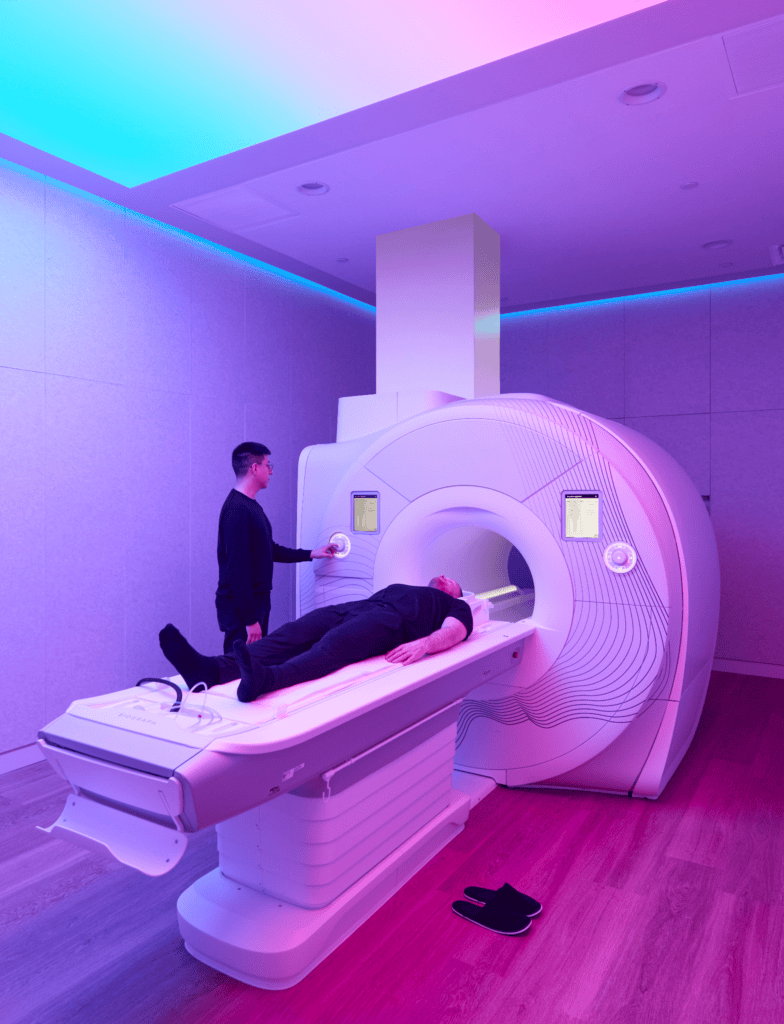
A More Complete Picture of Women’s Health
For women who have spent much of adulthood receiving healthcare one appointment and one concern at a time, a comprehensive preventive screening offers a different way to understand how earlier medical experiences and current biological changes may shape future health
