


–
Healthcare
–
UK Marks 100th Implant of Sleep Apnoea Device at Trafford General Hospital
By
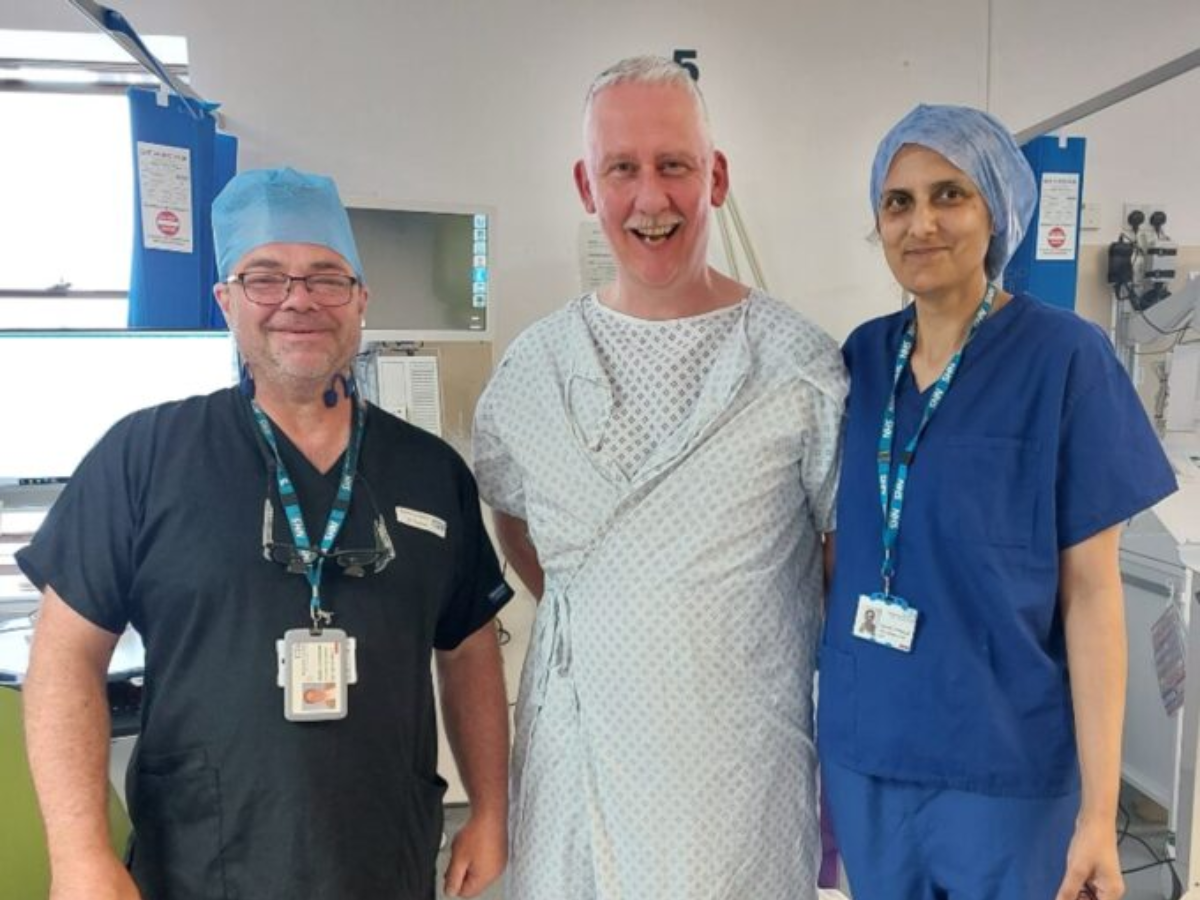
A modern treatment for obstructive sleep apnoea, often described as similar to a pacemaker, has reached its 100th implantation in the UK. The milestone procedure was carried out at Trafford General Hospital, marking a significant point in the rollout of the device across the country
The implant, developed by Inspire Medical Systems Inc, provides an additional treatment option for patients with moderate to severe obstructive sleep apnoea who are unable to tolerate conventional CPAP therapy. It is designed to work inside the body in sync with the patient’s breathing, gently stimulating the nerve that controls tongue movement in order to help keep the airway open during sleep
About the size of two 50 pence coins, the device is implanted within the body and operated each night using a handheld remote. Patients activate the therapy before bed and switch it off again in the morning, without needing to wear equipment on the face or use a bedside machine, unlike traditional CPAP systems
Sadie Khwaja and Sean Loughran, Consultant ENT Surgeons at Trafford General Hospital who carried out the landmark procedure, said the milestone marked an important step forward in how obstructive sleep apnoea is treated in the UK. They said the condition can have a substantial impact on health and quality of life, making it important for patients to be assessed properly and offered the treatment approach best suited to their individual needs. They added that growing awareness of the condition was encouraging, alongside increasing access to specialist services and a broader range of treatment pathways for eligible patients.
Obstructive sleep apnoea is a common but serious condition, caused by repeated collapse of the airway during sleep. Left untreated, it can raise the risk of several serious health conditions, including type 2 diabetes, stroke and heart failure, and has been linked to shortened life expectancy
CPAP therapy has served as the standard treatment for the condition for decades. However, many patients find it difficult to tolerate over the long term. According to database analysis cited in relation to the treatment, just under half of patients stopped using CPAP within three years of starting it, highlighting a significant gap in effective long term management options for some patients
The implant is now available at multiple NHS centres across England, with access to the therapy continuing to expand. For eligible patients, the treatment is funded by the NHS, while some individuals may also choose to access it privately through self-funding. Obstructive sleep apnoea is estimated to affect nearly a quarter of the UK population aged between 30 and 69, though a substantial proportion of those affected remain either undiagnosed or untreated.
Ed Holyoak, from Inspire Medical Systems, said reaching 100 patients represented an important milestone, and reflected the growing number of people now being supported through alternative care pathways for the condition. He said the figure marked not simply a number, but the result of a collective effort involving patients, clinicians and healthcare systems across the UK working together to expand the range of options available in sleep health.
The reach of the milestone procedure at Trafford General Hospital points to a broader shift underway in how the NHS approaches sleep apnoea treatment, moving beyond a single standard therapy towards a wider set of options tailored to individual patient circumstances. As awareness of the condition continues to grow, and as more centres begin offering the implant, the number of patients able to access this alternative treatment pathway is likely to continue increasing in the coming years.
