


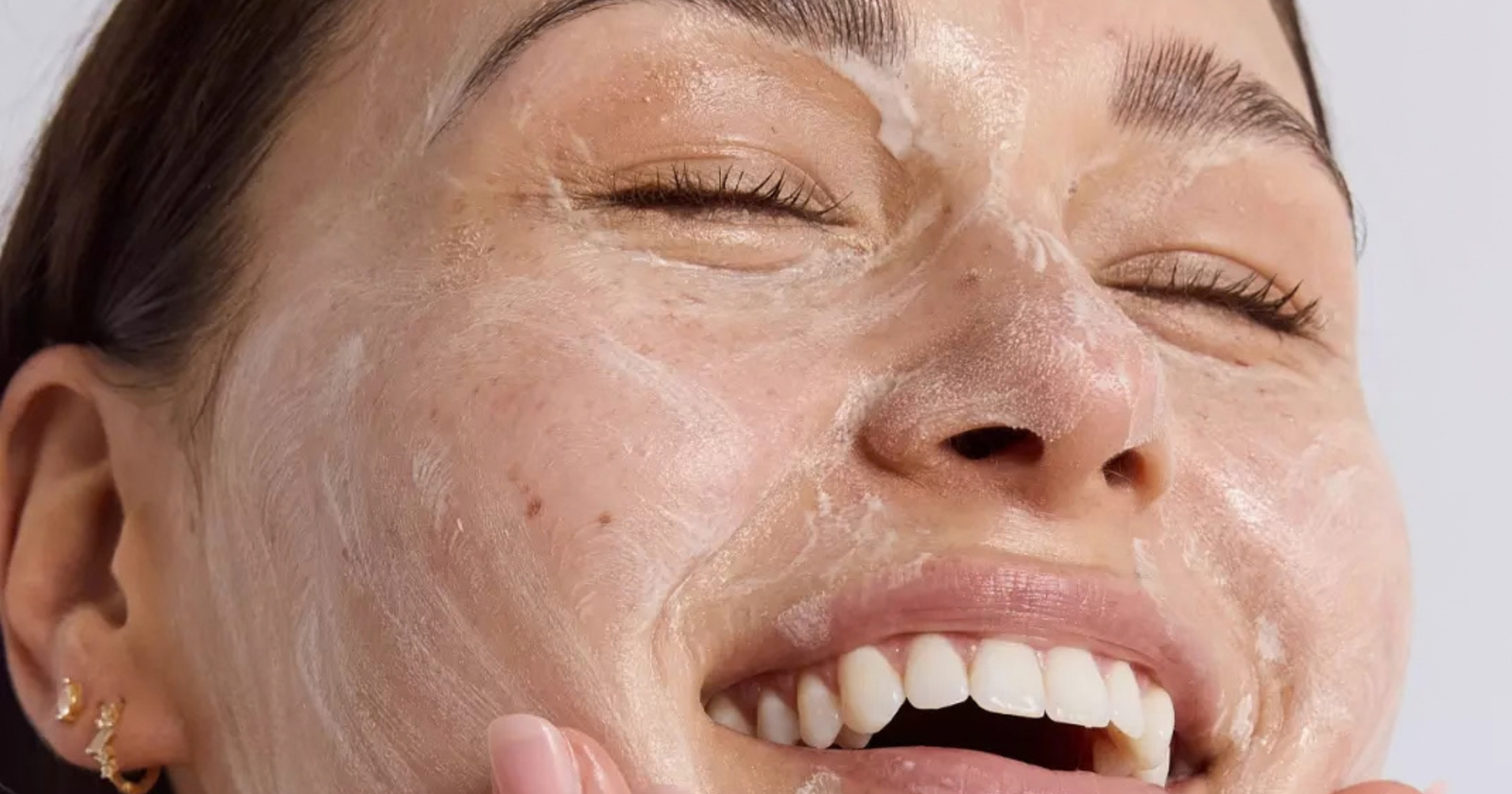
Photo Courtesy of Hada Labo
For decades, anti-ageing skincare has been marketed to us as though an endless stream of anti-wrinkle creams and moisturisers can reverse the years of sun damage and natural ageing on our skin.
That’s because Western skincare is all about solving skincare problems once they arise. But with the increasing popularity of Asian skincare regimens like Korean beauty (K-beauty) and Japanese beauty (J-beauty), people are realising that treating an issue once it arises isn’t always the best way to go about it. Now, there’s growing buzz around J-Beauty’s philosophy of skin longevity.
But what exactly is it? And how can you incorporate it into your lifestyle without overhauling every skincare product you own and starting anew? Consider this your beginner’s guide to nailing skin longevity: the skincare routine that goes beyond topical products and into a way of living.
What is skin longevity?
This Japanese beauty philosophy has been around for countless years, but is only just starting to receive its flowers on a global scale. Instead of targeting anti-aging and other skin concerns after they start appearing, longevity skincare is all about taking preventative measures to keep your skin youthful.
Isabelle Harrison, senior brand manager at Hada Labo Tokyo, tells Refinery29 Australia that while a lot of the ingredients and science overlap, skin longevity is about keeping your skin functioning well over time. The focus shifts to the foundations of a good skincare routine: barrier health, hydration, UV protection and managing inflammation.
“The simplest way I can put it is that how your skin looks is an outcome, and how well it copes is a capability,” she says. “Longevity-focused skincare is about building the second one and letting the first follow.”
It’s quite similar to Korean skincare in terms of aesthetic anchor points like the ‘glass skin’, plump and ultra-hydrated look (called mochi mochi skin in J-beauty). But where they differ is in approach and pace. Japanese skincare routines are simple, minimal steps with deliberately focused products. Korean skincare is more expansive: there are so many different products and ingredients.
Skin longevity also isn’t solely focused on topical skincare or vitamin supplements.
“It has to be holistic,” Harrison explains. “Topicals matter, and they’re the most controllable lever you have, but it would be odd to talk about longevity and then stop at the face. Sleep is when repair happens. Nutrition matters, particularly protein, antioxidants and the essential fatty acids your barrier is built from.”
In Japanese beauty regimens, skincare is a ritual, not an intervention. It supports healthy skin but doesn’t treat skin conditions.
“If something is persistent, painful or changing, that’s a dermatologist’s job rather than a serum’s,” Harrison says. It’s refreshing to hear honesty rather than marketing promising you that a serum will change your life, to be honest!
Who is skin longevity for?
“If you break longevity down to ‘I want to support my skin to be the best it can be’, then there’s no minimum. That applies at any age,” Harrison explains.
But if you want to get into specifics, such as supporting plumpness, elastin and collagen production, Harrison points out that many people start to see that natural processes start to slow down in their 30s, and “that’s when you’d build a more deliberate longevity routine”. Before then, hydration and skin barrier support should be your main focus — and starting in your 20s isn’t too early. That, paired with daily SPF, is non-negotiable.
“They’re the foundations everything sits on,” Harrison says. “UV is one of the most significant drivers of how skin ages, so if you’re not wearing sunscreen, the rest of the routine is working uphill.”
What are the benefits of practising skin longevity?
By putting skin health at the centre of your skincare routine, you’re supporting your skin, rather than correcting its flaws. Harrison says that this is the aspect that gets neglected the most in targeted anit-ageing routines.
“Cell renewal is a good example. Your skin is constantly turning over, shedding cells and replacing them from the layers below, and that process slows as you age. The visible result is dullness, rougher texture, slower recovery, pigmentation that lingers. A longevity approach supports renewal steadily rather than forcing it, because aggressively pushing turnover with over-exfoliation compromises the barrier. You end up undoing the thing you were trying to improve.”
How to build a longevity skincare routine
Harrison’s main advice is to keep things simple and consistent. This is the routine she would build, with the preface that you don’t need every single step every day.
Morning
Cleanse gently, or just rinse with lukewarm water if your skin is dry or reactive. Don’t use anything that strips the skin barrier.
Then, follow with some form of hydration or hyaluronic acid onto damp skin. Harrison recommends Hada Labo Tokyo Lotion No.1 ($36.95), pressed in with your palms rather than swiped on with a cotton pad.
“This is the pre-hydration step, and it’s what makes everything after it work harder,” she says.
Next up is a hydration-focused serum, because they layer well underneath makeup. Harrison recommends niacinamide, as it “delivers smoothness and encourages renewal while also supporting hydration”.
To lock it all in, use a trustworthy moisturiser. If you have oily skin or live in a humid climate, you might like a gel-based formula, but if you have dry skin, opt for a thicker cream.
“The Skin Plumping Gel from Hada Labo Tokyo is my all time favourite and has been for five years,” Harrison says. “It stands up against the Tatcha Water Cream and is only $36.95.”
To finish off the morning routine, apply an SPF 50 or 50+ over the top of your moisturiser. This is a non-negotiable.
Evening
At the end of the day, wash everything off with a thorough double cleanse, especially if you’ve worn SPF or makeup. Harrison recommends using micellar water or an oil first, then a nourishing cleanser.
Follow with the same lotion or serum you used in the morning. Then, if you’re using actives like pro-retinol or retinol for cell renewal, Harrison says applying it a few nights a week after your serum is the best way to go.
“On the nights in between, stay barrier-focussed and keep it to hydration and ceramides,” she says.
Finish off the routine with a moisturiser — either the same one as your morning moisturiser or a richer one if your skin needs it.
And for a weekly self-care night, a gentle exfoliation and hydrating sheet mask does the trick.
“More is not better,” Harrison says.
“The principle underneath all of it is that you don’t need every active every night. Alternate them, keep hydration constant, and build something you can do every day for years. Longevity is a compounding game, and the routine you stick to will always beat the perfect one you abandon after three weeks.”
Shop our favourite Japanese skincare products for skin longevity below:
shop 5 products
