


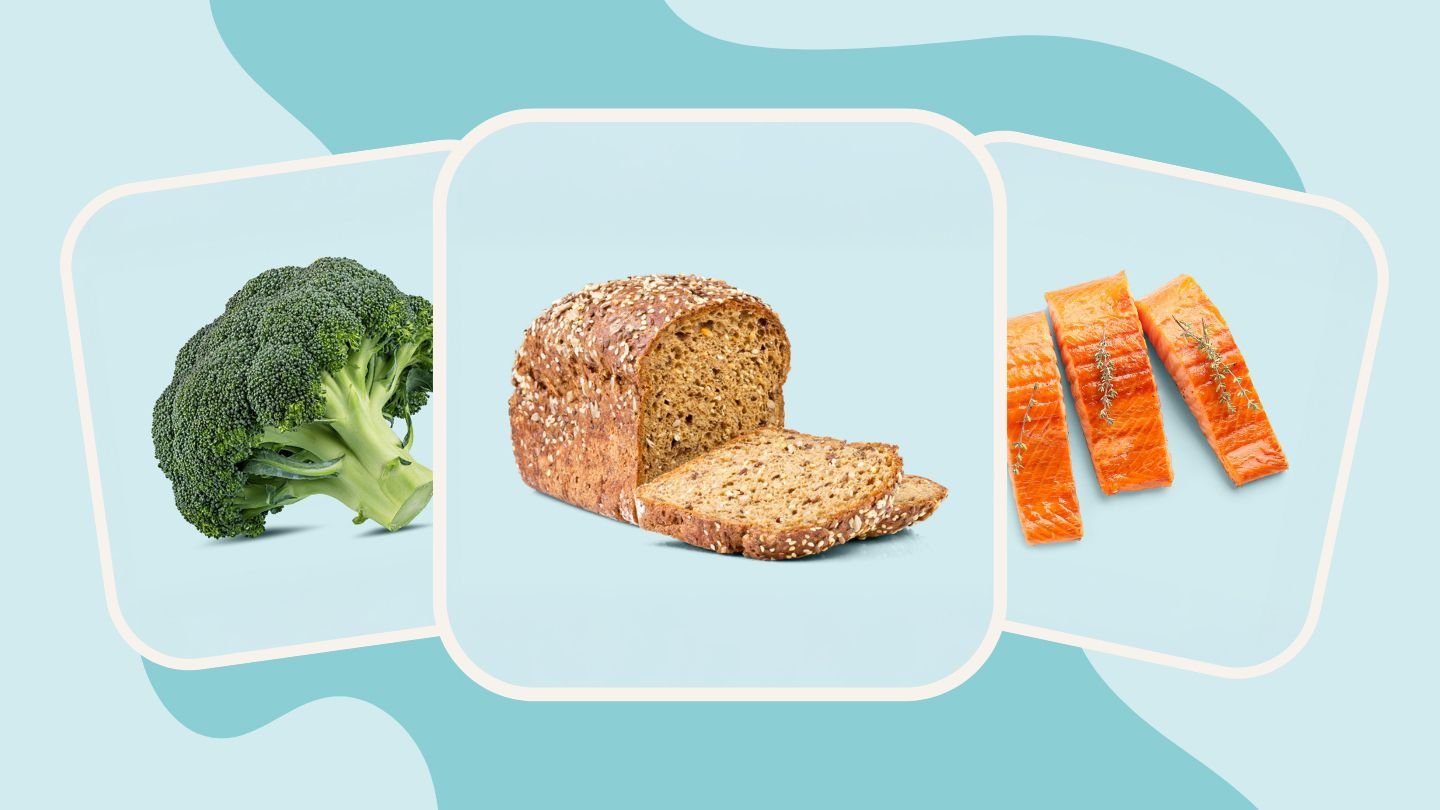

Diet impacts the gut environment, helping shape the composition, structure, and function of microorganisms naturally living in the gut microbiome. Foods rich in fiber, antioxidants, and nutrients like omega-3 fatty acids may help manage conditions that affect the digestive system, including colon cancer.
“Research now is increasingly focusing on the idea of anti-inflammatory food, meaning trying to genuinely limit ultra-processed foods (UPFs),” says Hope Barkoukis, PhD, RDN, the chair of the department of nutrition at Case Western Reserve University. There’s no one standard definition of UPFs, but basically, instead of reaching for chips, candy, sodas, and similar refined fast foods, try more color in your diet from whole fruits and veggies, nuts of all types, lean proteins, and healthy fats such as olive oil and avocado oil. These foods help reduce inflammation in the gut, and may help reduce symptoms of colon cancer or its treatments.
Notably, issues like nausea and vomiting, smell and taste changes, and loss of appetite — which the condition or its treatment may cause — are real challenges that can make it more difficult for people with colorectal cancer to get adequate nutrition. Working with nutrition experts like registered dietitians (RDs or RDNs) may be beneficial in managing these eating challenges. Also, keep in mind that diet should augment your conventional treatment and not serve as a replacement for any medication or treatment that your doctor prescribes.
1
Black Beans
“Black beans are rich in resistant starch, a unique carbohydrate that feeds beneficial gut bacteria in the colon,” says Alison Tierney, RD, a board-certified oncology dietitian and a cancer survivor. The breakdown of this starch produces butyrate, a short-chain fatty acid that nourishes colon cells, reduces inflammation, and can help precancerous cells self-destruct. Butyrate reinforces the defense barrier of the colon, potentially lowering the risk of colon cancer. The protein in beans also helps give your body some extra strength while you may be feeling weak from the cancer or its treatment.
Tierney says black beans are also packed with anthocyanins — the same antioxidants that give blueberries their deep color — adding an extra anti-inflammatory boost. Start with ¼ to ½ cup per day and gradually increase to ½ to 1 cup several times per week
“I recommend [canned beans that are] pressure-cooked and BPA-free for easier digestion and safety,” she says. Remember to rinse canned beans thoroughly to reduce sodium and gas
2
Salmon and Other Fatty Fish
Salmon is a fatty, oily fish abundant in omega-3 fatty acids and protein, as well as vitamins and minerals like magnesium, potassium, calcium, and manganese. It is a great food option for people with colon cancer.
Evidence suggests that fatty fish like salmon can lower inflammation — because they are a rich source of omega-3 fatty acids — helping the body function optimally. Chronic inflammation is harmful to the body and is linked to the development of cancer, especially in the digestive system, by causing changes that affect cell growth, composition, and function.
The American Heart Association recommends eating fatty fish at least twice a week, as they are not high in saturated fat and are also associated with a lower risk of cardiovascular conditions. A serving size coincides with about 3 ounces (oz), or ¾ cup, of cooked flaked fish. Other fatty fish that are high in omega-3 fatty acids include sardines, mackerel, herring, and oysters.
3
Broccoli
Broccoli and other cruciferous vegetables (like cauliflower, kale, and Brussels sprouts) contain sulforaphane and indoles, compounds shown to detoxify carcinogens and suppress tumor growth, says Tierney
Broccoli sprouts contain significantly higher (10 to 100 times higher) amounts of sulforaphane than mature broccoli. So, you might want to add more of the sprouts to your grocery basket. Lightly steam or sauté to preserve the compounds.
Tierney suggests you aim for 4 to 6 servings per week and recommends prewashed, ready-to-cook broccoli florets for patients managing fatigue
4
Ground Flaxseed
Consider adding ground flaxseed to your meal plan. Flaxseed is rich in omega-3 alpha-linolenic acid (ALA) and lignans, which have antioxidant and hormone-balancing properties, says Tierney. It promotes bowel regularity and supports a healthy anti-inflammatory environment in the gut.
Flaxseed is a rich source of dietary fiber, which helps keep you regular, reduces inflammation, and promotes a healthy gut microbiome. Additionally, the lignans it contains demonstrate the potential ability to inhibit the progression of different types of cancer.
Always choose ground flaxseed — or in its absence, opt for flaxseed oil. The whole seeds have hard, impermeable seed coats that hardly get digested and also provide a lower amount of ALA and lignans. Store in the fridge or freezer to preserve its shelf life and healthy fats.
Tierney suggests taking 1 to 2 tablespoons daily mixed into oatmeal, smoothies, or soups
5
Whole-Wheat Bread
If you are a bread lover, Dr. Barkoukis recommends whole-wheat bread. Whole-wheat flours are more nutritious than refined wheat flours, which lose a lot of nutrients during the milling process, she says
Wheat is high in dietary fiber. It contains arabinoxylans, which act as prebiotics to promote healthy gut bacteria, and anthocyanins that possess anti-inflammatory and anti-tumor properties.
Don’t enjoy sandwiches? Other whole-grain foods, such as whole-grain cereal or whole grain pasta, provide benefits, too.
6
Oats are an excellent source of beta-glucan, a soluble fiber that supports gut health, cholesterol balance, and steady blood sugar — all crucial for cancer survivorship. Beta-glucan acts as a prebiotic, promoting the production of short-chain fatty acids like butyrate, which is one of the components also found in the breakdown of black beans. The fiber content in oats promotes bowel regularity and may aid the removal of some potential carcinogens through the stool.
Oats also contain a compound called avenanthramide C (AVN C), which has anti-inflammatory, antioxidant, and anti-tumor properties. Researchers conducting a study published in 2022 observed that treatment using AVN C predisposed colorectal cancer cells to a senescent state. This means the cancer cells showed characteristics of cells that are no longer growing or dividing as cancer cells typically do — in an uncontrollable manner. Further studies are needed to gain a deeper understanding of this phenomenon.
Tierney suggests consuming ½ to 1 cup of oats daily, cooked as oatmeal, overnight oats, or blended into smoothies. She recommends buying oats that are non-GMO and minimally processed
7
Blueberries
Blueberries are touted as superfoods because they are exceptionally nutritious. A serving of the wild variant contains more antioxidants than a serving of other berries like strawberries or cranberries.
Blueberries are high in fiber, which promotes regular bowel movement and a healthy gut microbiome. They contain numerous phytochemicals, including abundant anthocyanin pigments, which help with blood sugar management and lower the risk of conditions like cardiovascular diseases.
The presence of vitamins, flavonoids, and antioxidants also boosts the immune system, which is important when undergoing cancer treatments, such as chemotherapy, that can weaken your immune system.
Tierney says you can consume ½ to 1 cup of blueberries daily, fresh or frozen. Add to smoothies, sprinkle on oats, or enjoy plain
- Adequate nutrition along with conventional cancer treatments can promote wholesome healing, help manage symptoms, and lower the risk of further colorectal issues. If you have colon cancer, consider incorporating high-fiber, nutrient-dense, anti-inflammatory foods into your diet.
- Opt for foods like oatmeal, which is rich in beta-glucan to support gut health; ground flaxseed, which is rich in omega-3 fatty acids with antioxidant effects; and black beans, which promote the production of short-chain fatty acids (SCFAs) that lower inflammation and nourish colon cells.
- Consult with a registered dietitian to explore options that are best for you. Note that your diet should complement any prescribed treatments, not replace them.
