


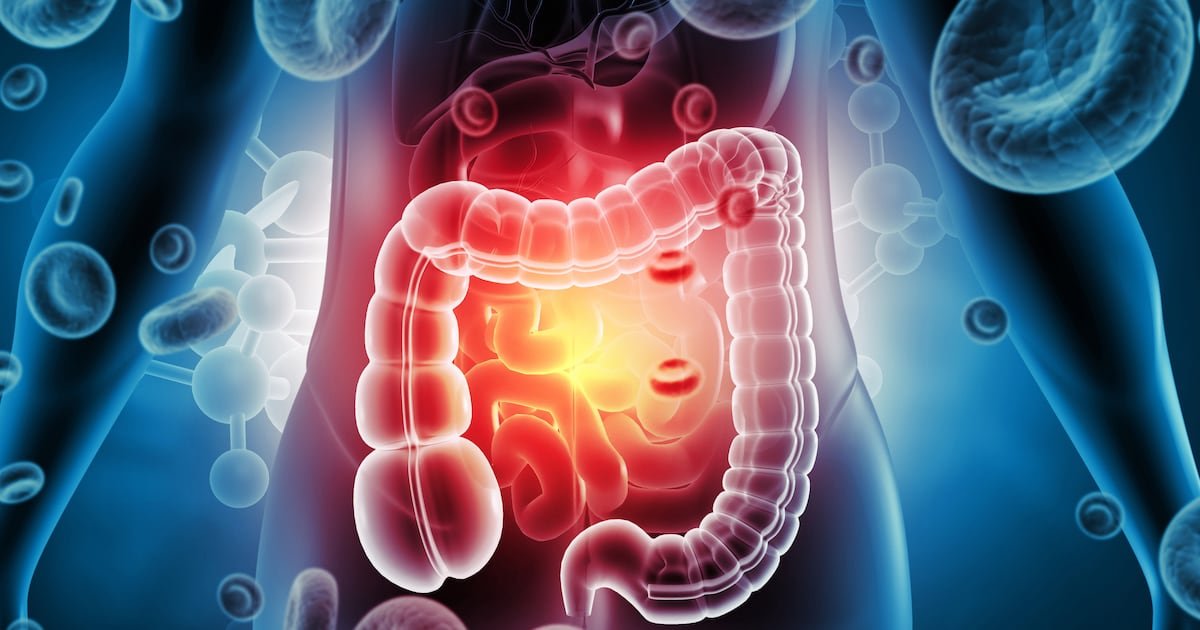
- New studies suggest some sweeteners can alter gut bacteria and microbial activity
- Most evidence comes from lab and animal studies, limiting conclusions for humans
- Research increasingly challenges the idea that sweeteners are metabolically inert
- Scientists say more long-term human trials are needed to determine health impacts
A recent 2026 study from the University of Cambridge found that commonly-used sweeteners slow the growth of certain gut bacteria and it’s the latest in a raft of studies to explore the effects of sweeteners on the microbiome
Interest in the microbiome has surged in recent years. It is now well established that the community of micro-organisms populating the gut has an impact on all aspects of health, from digestion to immune system regulation. Disruptions to its balance are associated with a host of health issues, including obesity, neurological disorders and inflammatory bowel disease
This most recent study looked at interactions between 25 gut bacterial strains and 39 commercially used sweeteners in vitro (in a lab, not in the body). They tested the sweeteners individually and in combination with commonly co-consumed compounds, such as caffeine and the anti-depressant duloxetine
Three-quarters of the tested sweeteners individually impacted the growth of at least one tested bacterial strain, and over 100 interactions were found between sweeteners and the four co-consumed compounds. For example, isosteviol (a compound derived from stevia) significantly impaired two important gut bacteria linked to regulating blood sugar and gut health when it was combined with the anti-depressant duloxetine.
“Sweeteners are often marketed as metabolically neutral, but our study challenges this idea,” said Dr Sonja Blasche, a lead author of the study from the university’s MRC Toxicology Unit. “We found that they can directly affect gut bacteria, particularly when mixed with other compounds such as medication and food additives. These common combinations could have unintended effects on our gut microbiome.”
Professor Kiran Patil, the study’s senior author, added: “Our study suggests that artificial sweeteners don’t just pass through the body passively. These findings can help guide new studies towards understanding how sweeteners might influence health in unexpected ways.”
While adding to the overall body of evidence, it’s important to note that the study was conducted in vitro, says Dr Holly Neill, company nutritionist at Bio&Me. “This has many limitations as the work is cell based and therefore, we’d be naturally hesitant about taking these findings and automatically assuming they would be replicated in humans
“As acknowledged by the researchers, this doesn’t capture the full complexities of the inter-individual variability in the gut microbiome or account for the many internal and external factors which impact it in humans.”
Other studies have also reported an impact on the microbiome
A 2025 study at the University of Limerick found that certain sweeteners affected ‘quorum sensing’ (QS) in gut bacteria. QS is a communication system that bacteria use to synchronise group activities
The study looked at tagatose, allulose, Rebaudioside-A (Reb-A), and saccharin in vitro and found that tagatose and allulose had the strongest effects on bacterial communication. Both reduced QS-regulated behaviours. The other two sweeteners had significant but weaker effects. All four sweeteners reduced expression of a key quorum-sensing gene
“Human clinical trials are crucial to assess the real-world effects of non-nutritive sweeteners (NNS) on gut microbiome composition and QS-related health outcomes, considering factors such as genetic variability and lifestyle,” concluded the authors. They also suggested that studies should look at the effects when sweeteners are combined, as they are in many foods and drinks
That study cites another study that made waves in 2022
Researchers gave 120 healthy adults saccharin, sucralose, aspartame, and stely intake, compared with controls. It found that each NNS distinctly altered stool and oral microbiome, and saccharin and sucralose significantly impaired glycaemic responses
To prove that the gut bacteria were responsible, the researchers transplanted stool samples from human participants into mice. The mice subsequently developed glycaemic impairments mirroring those of the human donors. The study concluded that “human NNS consumption may induce person-specific, microbiome-dependent glycaemic alterations”
Finally, in 2026, a study on sucralose and stelerance, faecal microbiota composition and short-chain fatty acid (helpful molecules produced when friendly gut bacteria ferment dietary fibre and undigested food) concentrations. Not only that but the changes were transmitted across generations of mice
“These results challenge the long-standing assumption that non-nutritive sweeteners are metabolically inert and underscore their potential to influence offspring health,” said the study authors. “Future research should aim to clarify the mechanisms underlying these intergenerational effects, their reversibility, and relevance to human health.”
A 2025 literature review makes it clear that “despite numerous studies exploring the effects of NNS on the gut microbiome, results remain conflicting”, but also that “accumulating evidence suggests that artificial sweeteners may disrupt the delicate balance of the gut microbiome, inducing dysbiosis, inflammation, and metabolic alterations”
“While emerging research suggests that some sweeteners may disrupt the gut microbiome, there are some conflicting results, and lots of research is in cell or animal studies,” agrees Dr Neill. “Human evidence largely comes from observational studies where we can observe interesting and important associations, but these correlations don’t necessarily equate to causality.”
It should also be remembered that sweeteners are thoroughly assessed for safety by health agencies before approval. Currently, the only recommendation against them is the World Health Organization’s (WHO) 2023 guideline recommending against use for weight loss or to reduce the risk of non-communicable diseases (NCDs)
“Replacing free sugars with NSS does not help with weight control in the long term,” says the WHO. “People need to consider other ways to reduce free sugars intake, such as consuming food with naturally occurring sugars, like fruit, or unsweetened food and beverages.” This applies to everyone except those with pre-existing diabetes
As understanding of the microbiome evolves, scientists will continue to interrogate sweeteners and this will not escape the notice of consumers
“Research continues to link the microbiome to health benefits that extend far beyond digestion, including immunity, mental health, hormones and skin health,” says Dr Neill. “So, absolutely, further research is warranted to understand its complexities and how sweeteners fit into this story,” says Dr Neill
It’s an area of research that F&B needs to monitor closely. Consumer confidence in sweeteners may start to wane even without clearer, more robust evidence on their long-term effects in humans. It is also likely to add to existing clean-label pressure
For now, the evidence suggests that sweeteners do not simply pass through the body with no impact, but the implications of that are unclear
“Additional robust evidence is required,” says Dr Neill, “particularly from well-designed, long-term, randomised controlled trials, to help us better understand associations between sweeteners and the gut microbiome, mechanisms of action and both the short and long-term health implications.”
