

It’s hot in the UK. For many, myself included, it’s too hot. And the heat seems to be doing more than simply making us sweat and overheat at night
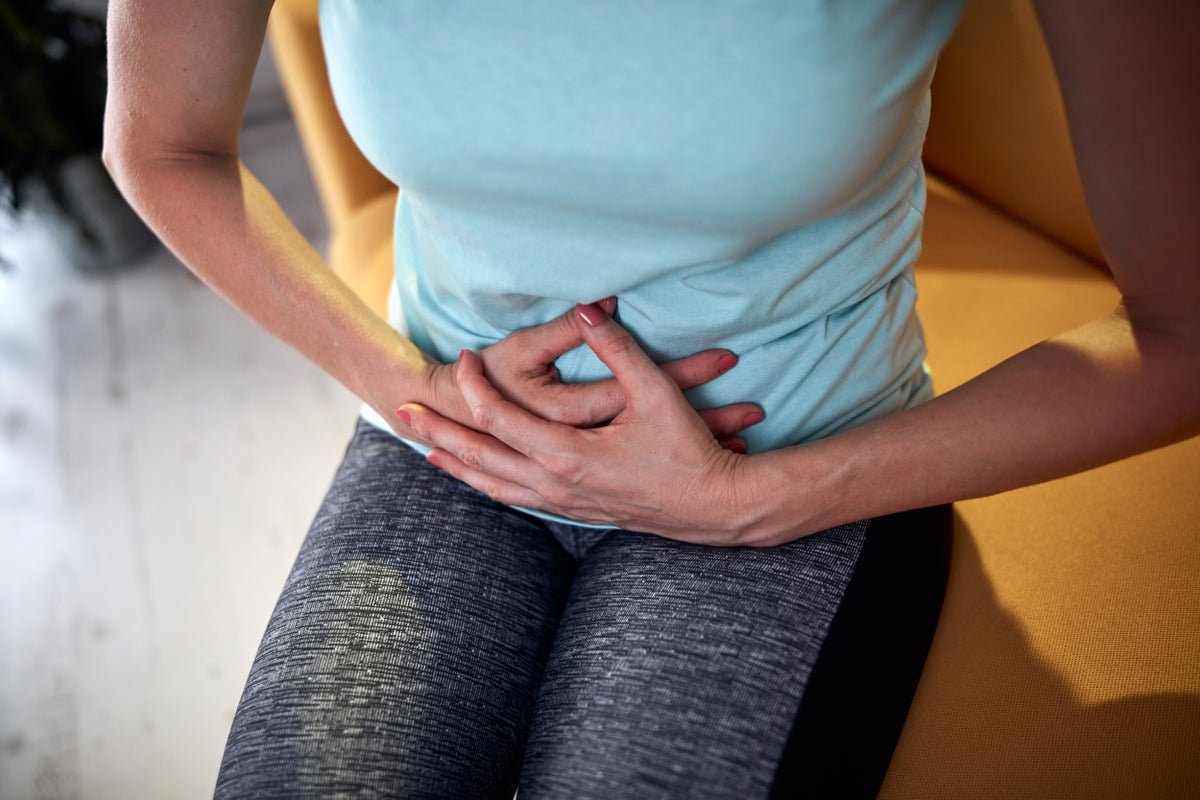
Widespread sluggishness has led to talk of a “heatwave hangover”, with many people experiencing more bloating and stomach discomfort in recent weeks. Which becomes all the more understandable when you talk to experts about how high temperatures are impacting our gut health – and not just because our diets are suddenly dominated by beers and barbecues
“We still don’t know exactly how heat affects the gut microbiome in humans, but emerging research suggests that heat stress may alter the composition of the gut microbiome and increase intestinal permeability, which could contribute to digestive symptoms,” says Ro Huntriss, a registered dietitian and chief nutrition officer at the Simple Life App
“Although,” she continues, “much of this evidence comes from animal studies or extreme heat exposure. What many people don’t realise is that hydration plays an important role in keeping our digestive system functioning properly,” adds Adrienne Benjamin,gut health nutritionist atProVen Biotics
“When we’re dehydrated, there’s less water available to help move food and waste through the digestive tract, which can slow digestion and make symptoms such as bloating, constipation and general digestive discomfort more likely.”
None of these symptoms is pleasant, but while we can’t control the weather, we can make small tweaks to what we eat and drink to help us handle the heat a little bit better. “Our eating habits often change during a heatwave,” Huntriss points out. “We may consume more alcohol, sugary drinks, richer barbecue foods, or eat out more often, all of which can affect digestive comfort
“It’s therefore likely that digestive symptoms during a heatwave are driven by a combination of physiological changes, lifestyle factors and potentially changes to the gut microbiome, although more human research is needed to fully understand this relationship.”
To conquer this, it can help to give your gut a little extra love and care. And the golden rules for maintaining a healthy gut remain fairly constant
“Supporting your gut means trying to eat a varied, fibre-rich diet where possible,” says Huntriss. “Eat plenty of fruit, vegetables, whole grains, beans, nuts and seeds, all of which contain the fibre that feeds healthy bacteria in the gut. Fermented foods such as live yoghurt, kefir, kimchi and sauerkraut may also support a healthy gut microbiome.”
However, there are a few extra tricks you can employ to beat bloating and discomfort during a heatwave
“If you’re prone to bloating, eating smaller meals, chewing food slowly and avoiding large amounts of fatty or heavily processed foods in one sitting may also help,” Huntriss says

Stay hydrated
“Dehydration occurs when you lose more fluid than you replace,” says Dr Linia Patel, a women’s health dietitian, performance nutritionist and public health researcher. “It exists on a spectrum, from mild dehydration through to heat exhaustion and, in severe cases, heat stroke
“Many of us associate dehydration with extreme illness, but in reality a large proportion of adults spend much of their time mildly dehydrated. In practical terms, if you are feeling thirsty, you are already mildly dehydrated. Even a fluid loss of just 1-3 per cent of your body weight can begin to affect physical and mental performance, particularly during hot weather.”
Symptoms of mild dehydration include feeling thirsty, having a dry mouth, headaches, reduced concentration, darker urine and dizziness, says registered dietitian Nichola Ludlam Raine. More severe dehydration can also cause heavy sweating, confusion, high heart rate, muscle cramps, lethargy, nausea, impaired cognitive performance and low mood
The added stress that dehydration and simply keeping cool places on the body can have knock-on effects on our digestion
“Blood flow is redirected towards the skin to support cooling, which means there’s temporarily less blood available to the digestive system,” Benjamin explains. “Research suggests this can affect how efficiently the gut functions and, in some cases, may increase intestinal permeability, sometimes referred to as ‘leaky gut’, allowing substances that would normally stay within the gut to pass more easily into the bloodstream. This may contribute to inflammation and digestive discomfort, although the effects are likely to vary between individuals.”
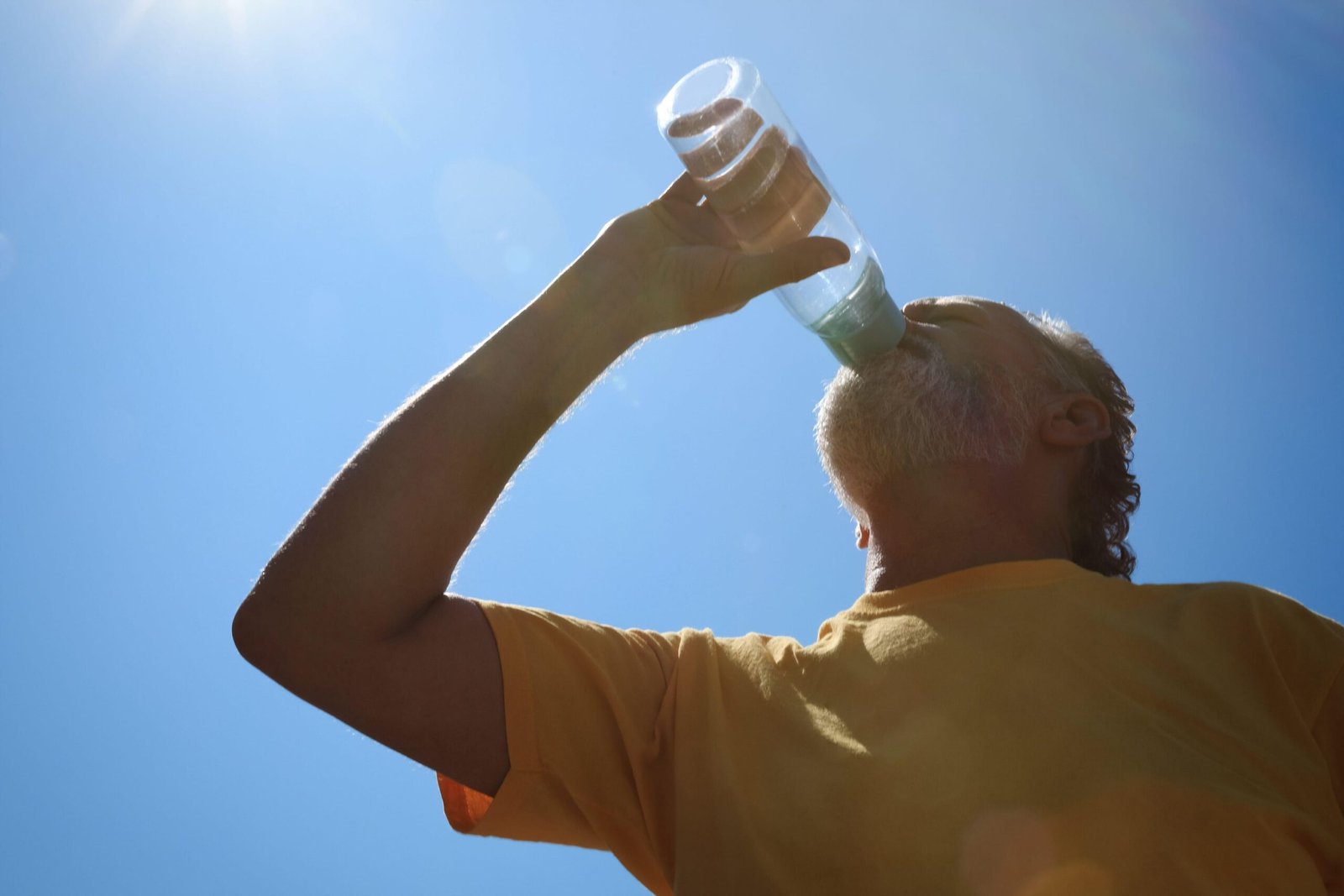
The most accessible way to counter this is by staying hydrated throughout the day. That means sipping consistently rather than waiting until you’re thirsty, then quaffing a litre of pre-bed water, Dr Patel advises
She recommends adding slices of cucumber, orange, lemon or berries to water to make regular drinking more appealing. Eating foods with a higher water content, such as watermelon, strawberries, oranges, apples, cucumbers, tomatoes and lettuce, can also help you on your way to better hydration
Read more:Study reveals the small changes to your diet, sleep and exercise that can add years to your life
Consider electrolytes
“For most people spending a hot day at home or in the office, water is sufficient,” Dr Patel says. “However, if you are exercising heavily, working outdoors, sweating excessively or spending several hours in the heat, replacing electrolytes as well as fluids may be helpful.”
Electrolytes are essential minerals that can be lost through sweat. But you needn’t splash out on expensive supplements to replenish them
“If you’ve been sweating heavily, including foods that naturally contain electrolytes, such as bananas, yoghurt, leafy greens and unrefined salt, can also help maintain your body’s fluid balance,” says Benjamin. “Coconut water is also a great hack for electrolytes and is delicious and refreshing when drunk straight from the fridge.”
Read more:Expert recommends doing these exercises for three minutes each day to improve mobility
Eat lighter meals packed with nourishing ingredients
It is normal to lose your appetite during hot weather. But eating less, or swapping your regular meals for convenience foods, can lead to a diet deficient in vitamins, minerals and macronutrients such as protein
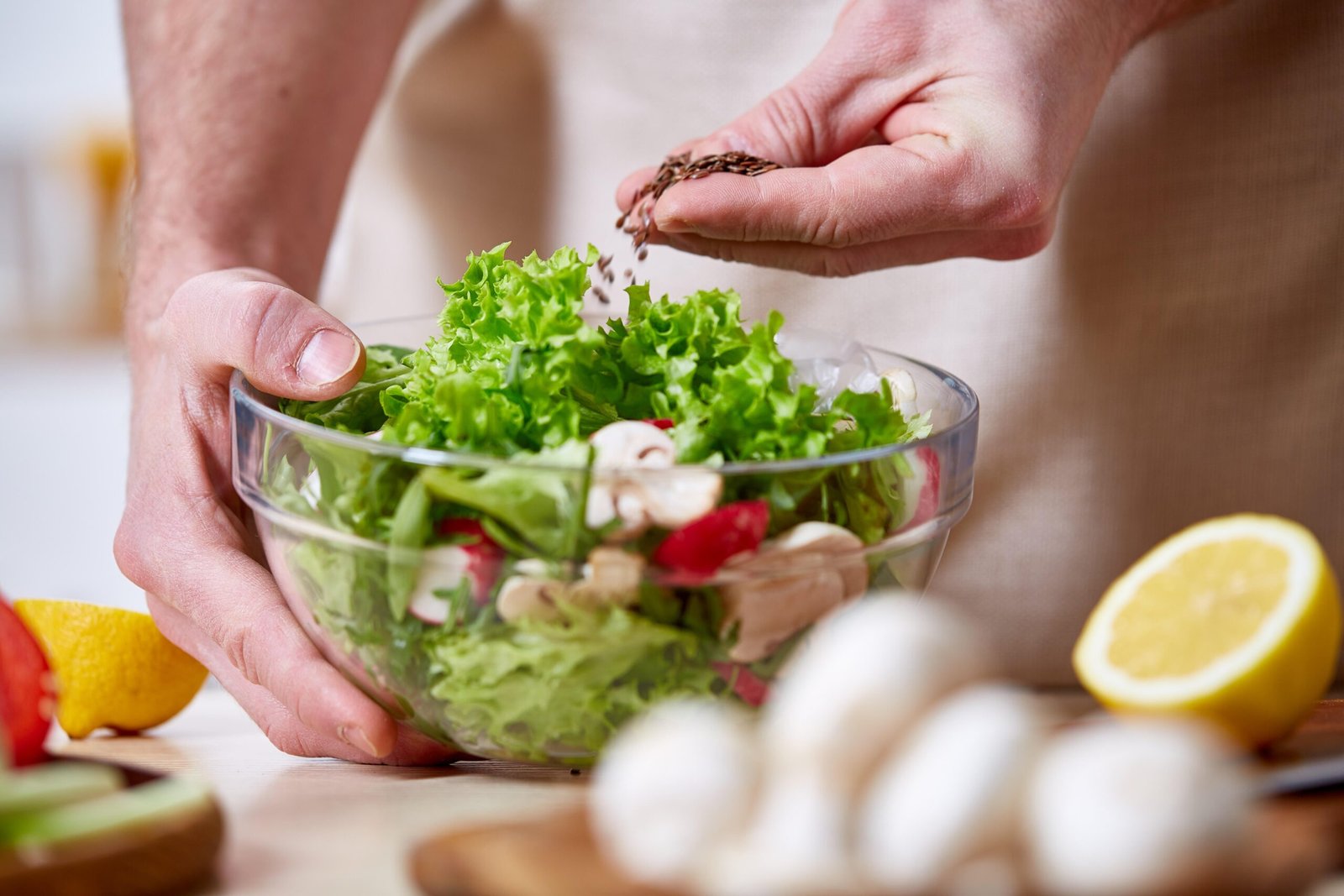
The key to combatting this is eating lighter meals that still contain all the nutrients your body needs to be at its best
“[Having less of an appetite is] a perfectly normal response in the heat, but it’s still important to eat regular, nutrient-rich meals to support your energy levels and give your body the vitamins, minerals and protein it needs to provide adequate energy and focus,” says Benjamin. “It can also help it cope with the added strain of keeping cool.”
She recommends eating smaller, lighter meals throughout the day that are simple, balanced and easy to digest. For example, salads with chicken, fish or beans, Greek yoghurt with berries, or wholegrain wraps with a lean protein
“Including a or extra virgin olive oil, and plenty of fruits and vegetables can help maintain energy without leaving you feeling overly full,” Huntriss says
Read more:How just 20 minutes of walking a day can transform your health

Be mindful of alcohol
A chilled alcoholic drink has a certain appeal during hot weather. But, though you don’t have to abstain altogether, experts recommend being mindful when drinking during a heatwave. “Alcohol can increase fluid losses because it has a mild diuretic effect, meaning it can encourage the body to produce more urine,” Ludlam-Raine says. “It can also impair judgement, making people less likely to recognise the early signs of dehydration or remember to drink water.”
To counter this, she recommends taking a few precautions – particularly if you are heading to a pub garden with minimal shade
“I would recommend starting well-hydrated, having a meal beforehand and alternating alcoholic drinks with water or a sugar-free soft drink,” says Ludlam-Raine
“Choosing lower-alcohol options, avoiding drinking on an empty stomach and finishing the evening with a glass of water can also help. While many people focus on avoiding a hangover, the bigger concern during a heatwave is avoiding dehydration in the first place.”
Read more:A top kettlebell expert shares four workouts to get you in ‘the shape of your life’
