


While NAD+ boosters and polyphenol extracts lack robust human clinical evidence, whole fruits offer proven cardiovascular, cognitive, and metabolic benefits
So-called “anti-aging supplements” are rapidly gaining market traction, fueled by bold marketing claims that they can decelerate the biological clock and maintain youthfulness. Driven by endorsements from Hollywood celebrities and science influencers, public interest in polyphenol extracts and NAD+ boosters has surged
However, medical evidence suggests that instead of pouring money into expensive, isolated supplements, consuming fresh, raw berries as whole foods is a far more effective strategy for long-term health
The Limits of NAD+ Precursors and Extracted Polyphenols
The products commanding the most attention in the longevity market are nicotinamide mononucleotide (NMN) and nicotinamide riboside (NR). These compounds serve as precursors to nicotinamide adenine dinucleotide (NAD+), a critical coenzyme involved in cellular energy metabolism and DNA repair. The market is also flooded with plant-derived polyphenol supplements, such as concentrated green tea and turmeric extracts. While these ingredients are frequently marketed as vitality boosters that suppress cellular aging, robust clinical evidence demonstrating these specific anti-aging effects in humans remains insufficient.
Furthermore, regulatory oversight varies significantly. In several markets, including South Korea, NMN is not formally recognized as an approved ingredient for functional health foods. Consequently, many related products sold online are classified as general foods with unverified safety profiles, or are sourced through direct overseas purchases, making it difficult for consumers to evaluate quality control, purity, and ingredient reliability.
Polyphenol supplements face a similar dilemma. Polyphenols are natural compounds that plants produce to shield themselves from ultraviolet radiation and environmental stressors; they are highly regarded for their potent antioxidant and anti-inflammatory properties. Common examples include catechins in green tea, anthocyanins in blueberries, and curcumin in turmeric
However, the fact that dietary polyphenols are highly beneficial does not mean that highly concentrated, extracted supplements replicate those same systemic benefits. To date, there is no conclusive clinical evidence that polyphenol supplements yield clear anti-aging outcomes in humans. Paradoxically, certain high-dose green tea extracts and turmeric supplements have been linked—though rarely—to documented cases of acute liver injury.
The Proven Physiological Power of Whole Berries
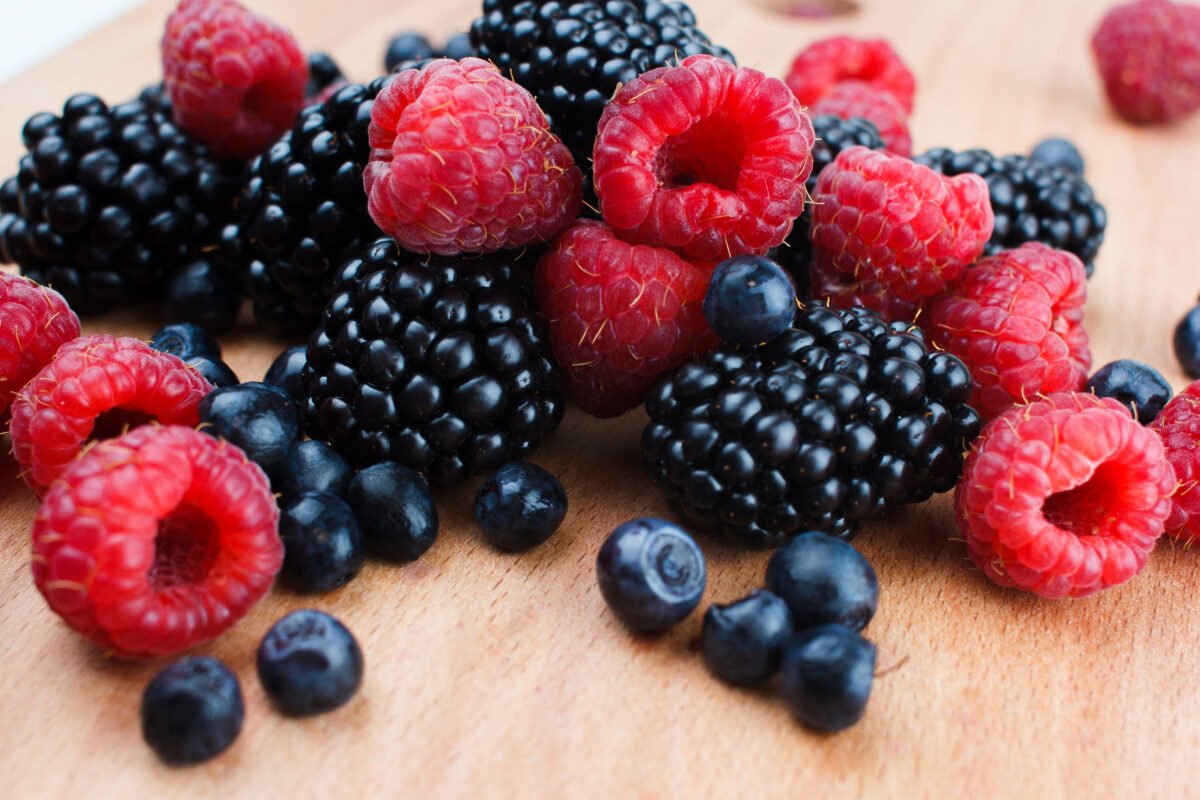
In stark contrast to the ambiguous data surrounding longevity supplements, numerous clinical studies have firmly established the health benefits of eating fresh berries, such as blueberries, strawberries, raspberries, and blackberries
The rich array of polyphenol compounds found in whole berries, particularly anthocyanins, actively helps maintain vascular elasticity and regulate blood pressure, providing substantial protection against cardiovascular disease. Blueberries, in particular, are known to combat atherosclerosis by inhibiting the oxidation of low-density lipoprotein (LDL), or “bad” cholesterol, while concurrently demonstrating positive effects on memory retention and cognitive health.
Additionally, whole berries provide vital support for blood sugar regulation and gastrointestinal health. The natural polyphenols within the fruit interact favorably with the gut microbiome, creating an optimal environment that promotes the growth of beneficial bacteria, which in turn strengthens the immune system. Furthermore, berries like raspberries and blackberries are exceptionally rich in dietary fiber compared to other fruits. This fiber matrix slows digestion, helps maintain prolonged satiety, and supports a healthy metabolic profile without the risks associated with synthetic or highly concentrated alternatives.
