


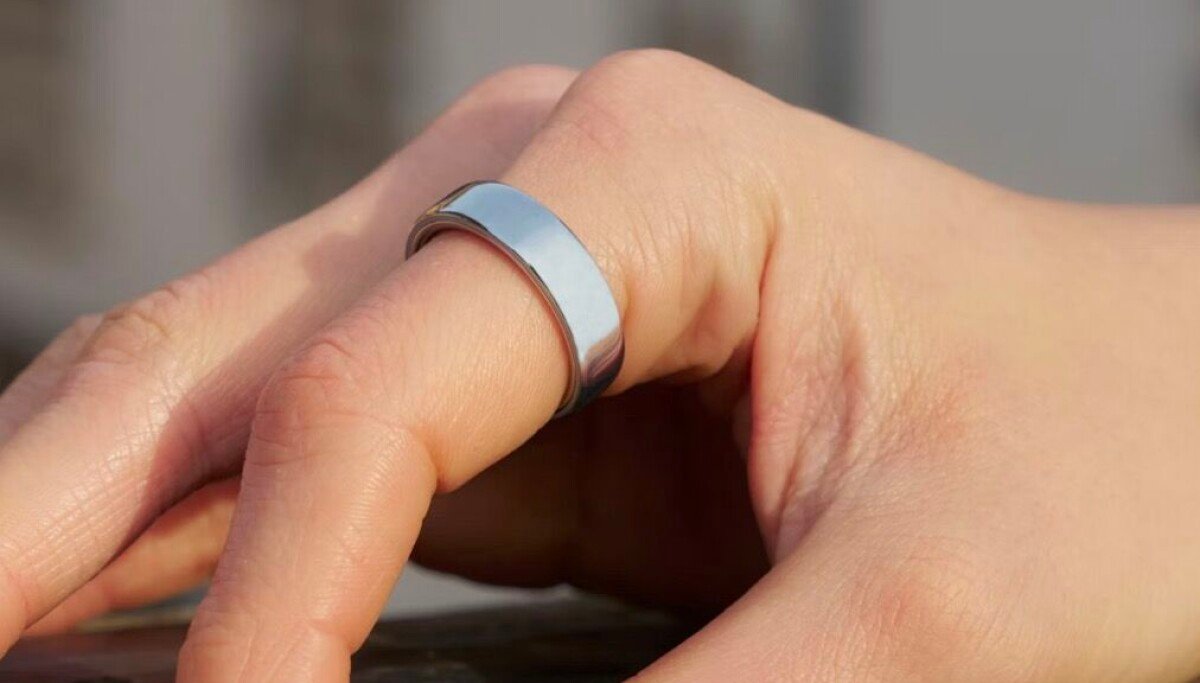
For a growing number of people, the first decision of the day isn’t made over coffee. It’s made by a wearable device that has spent the night monitoring heart rate, sleep patterns and other health metrics
Wearable devices can even advise users to avoid strenuous exercise based on health metrics monitored overnight, helping them decide to skip a run and opt for a light walk instead
Advances in AI capable of interpreting data collected by smartwatches, smart rings and other wearable devices — combined with intensifying competition to commercialize the technology — are accelerating growth in longevity-focused products and services
The longevity industry focuses on maximizing people’s physical and emotional health to live longer, healthier lives, often through special diets or health-monitoring technology.
Consumers are changing, too
Alcohol consumption in Korea fell 9 percent in the first quarter from a year earlier, the steepest decline since the Ministry of Data and Statistics began compiling the data in 2019, according to the Ministry. At the same time, the “healthy pleasure” trend — finding enjoyment in healthy living — continues to gain momentum
Online communities have embraced the movement as well. Users in the online forum Reddit’s “QuantifiedSelf” community regularly share health metrics collected by wearable devices, such as heart rate variability, sleep quality and blood oxygen saturation
The race to collect more health data is no longer confined to wearable devices. Companies are expanding into unexpected places — including the toilet
Apple received clearance from the U.S. Food and Drug Administration in September 2025 to introduce high-blood-pressure notifications on its Apple Watch
Samsung Electronics is also doubling down on health monitoring with its Galaxy Watch lineup
“[The new Galaxy Watch] will continuously monitor users’ health, providing insights into heart health and daily cardiovascular load without requiring active input,” said Samsung Electronics ahead of the unveiling of its next-generation Galaxy Watch scheduled for July 22
Oura, the world’s leading smart ring company by market share, provides users with a daily Readiness Score by analyzing real-time physiological data collected throughout the day and night
French startup Withings unveiled U-Scan, a home urine analysis platform that uses sensors installed inside a toilet bowl to measure urine pH, hydration levels and other health indicators at CES 2025
Korean startups, meanwhile, are carving out a niche by helping consumers make sense of those numbers
Korean startup Stress Solution has found a niche with Healing Beats, a service that creates personalized recovery sounds based on users’ autonomic nervous system signals, such as heart waveforms
The company, founded in 2022 by nursing Ph.D. Bae Ik-ryeol, says the technology is now used in Bodyfriend massage chairs and by athletes to manage their mental condition before competitions
Backed by seed funding from Kakao Ventures last month, AI longevity startup Tab0 has developed two health apps: HRV Works, which tracks biological age using heart rate variability, or HRV, and Fasting Works, an app that analyzes the nutritional content of a meal from a single photo
“Our goal is to eventually build an intelligent AI agent that can even help users make business decisions based on their physical condition that day,” said Kim Tae-ho, CEO of Tab0
Industry observers say the next battleground will be making health data truly useful
Rock Health, a full-service seed fund that supports startups in health technology, said in its December 2025 reportthat the longevity market has entered the third stage of maturity, known as the “developing” stage
“What hasn’t been solved is the translation layer: how much will [health] insights […] become concrete adjustments that consumers [or their providers] actually act on?” the report said. “The competition ahead will hinge on turning long-arc patterns into timely guidance that feels both credible and valuable.”
