

Research and Innovation
Can a Personalized Anti-Inflammatory Diet Reduce Crohn’s Disease Inflammation?
By: Chad Hanson | August 06, 2026 | 9 min. read |
The University of Miami Miller School of Medicine’s Dr. Oriana Damas is launching a clinical trial to determine whether a personalized anti-inflammatory diet can reduce inflammation in patients with Crohn’s disease who continue to experience symptoms despite stable medical treatment
For patients with Crohn’s disease who continue to experience inflammation despite advanced medical therapies, changing medications is often the next step. Researchers at the University of Miami Miller School of Medicine are investigating whether a personalized anti-inflammatory diet could offer another option
Led by Oriana Damas, M.D., associate professor in the Miller School’s Division of Digestive Health and Liver Diseases and director of translational studies for the Crohn’s and Colitis Center, a new clinical trial supported by a $2.52 million U.S. Department of Defense grant will evaluate whether dietary therapy can help reduce inflammation in patients whose symptoms persist despite stable treatment. The study is designed to assess diet as an addition to existing medical treatment rather than a replacement for biologics or other advanced therapies.
The motivation stems from a common clinical challenge. Many patients experience ongoing inflammation even while taking effective medications, yet their disease may not be severe enough to warrant an immediate treatment change. Dr. Damas hopes dietary therapy can fill that gap
“We’re hoping this work will allow clinicians to think about how can you add a dietary component for patients who are having more inflammation but not sufficiently to require a significant change in their medical therapy. Could diet help bridge that gap?” Dr. Damas said
Why Dr. Oriana Damas Is a Leader in IBD Research
As director of translational studies for the Crohn’s and Colitis Center at the University of Miami Miller School of Medicine, Oriana Damas, M.D., has built a national reputation for advancing research that helps personalize care for patients with inflammatory bowel disease (IBD). Her work spans nutrition, genetics, the gut microbiome, health disparities and precision medicine
Highlights of Dr. Damas’ Research
- Pioneered studies in Hispanic and Latino patients with IBD, helping identify unique genetic risk factors, disease characteristics, dietary patterns and social determinants of health that influence outcomes.
- Advanced precision medicine approaches for IBD, including research identifying genetic variants associated with medication-related side effects and treatment response.
- Led innovative dietary intervention trials examining whether targeted nutrition strategies can improve outcomes and enhance the effectiveness of medical therapies.
- Expanded understanding of the gut microbiome’s role in disease activity and treatment response, helping lay the foundation for microbiome-guided care.
- Secured major NIH funding to investigate culturally tailored anti-inflammatory diets and integrate microbiome and genetic data into future nutrition recommendations.
Looking Ahead
Dr. Damas’ long-term goal is to move IBD care beyond one-size-fits-all recommendations and toward precision nutrition, matching dietary strategies to each patient’s biology, cultural background, food preferences and lifestyle
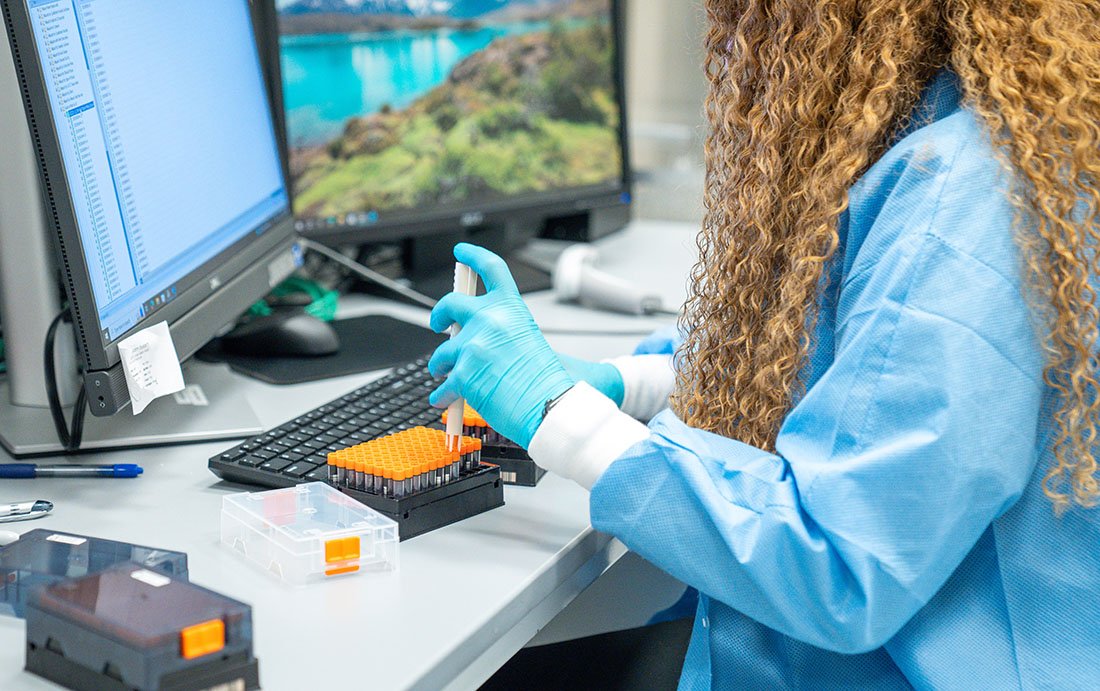
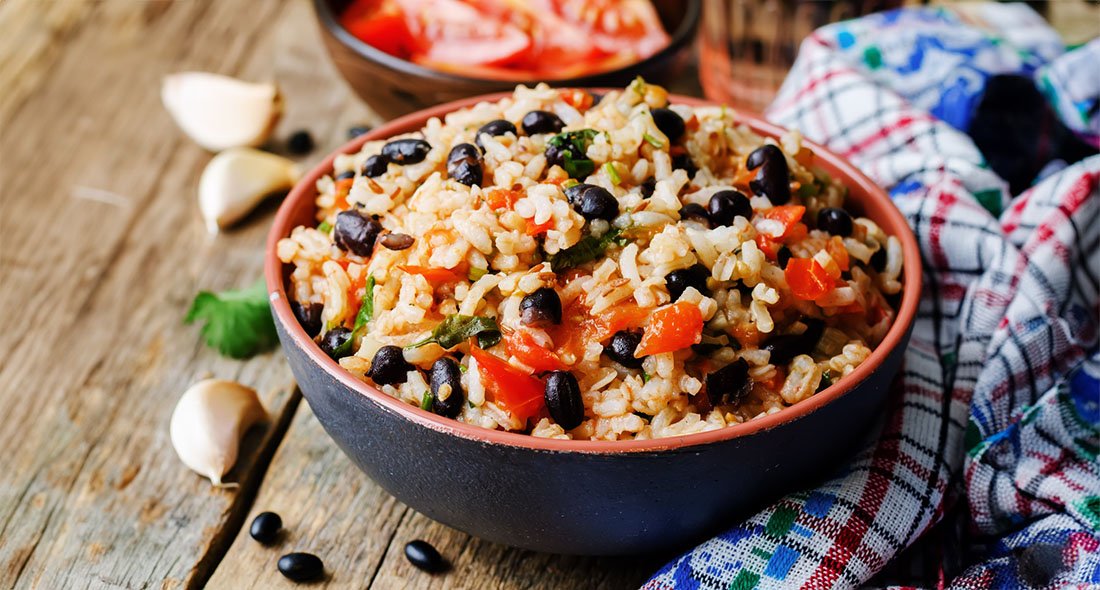
The 16-week study will enroll 122 adults with mild to moderately active Crohn’s disease. Participants must have active inflammation and symptoms but cannot have recently changed medications. Investigators will use a randomized study design consisting of two eight-week components. During one phase, participants receive a catered anti-inflammatory diet. During the other, they return to their usual foods while focusing on reducing exposure to pesticides, preservatives and additives. Throughout the study, researchers will measure markers of inflammation in blood and stool samples.
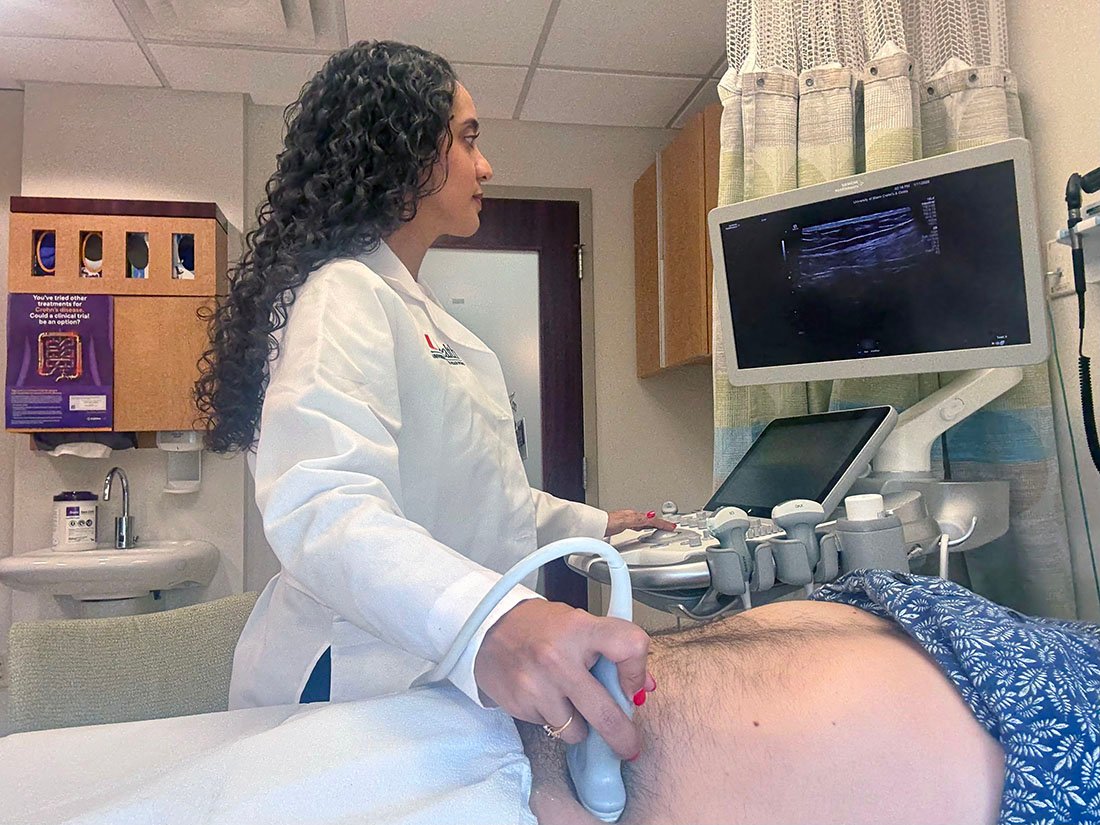
“We’re measuring markers of inflammation in blood and stool before and after each diet and seeing how there’s improvement over time,” Dr. Damas said, adding that researchers will be tracking inflammation using intestinal ultrasound. “That allows us to visualize the bowel wall inflammation in real-time.”
Unlike many dietary interventions, however, this plan is tailored to individual needs rather than imposed uniformly across all participants
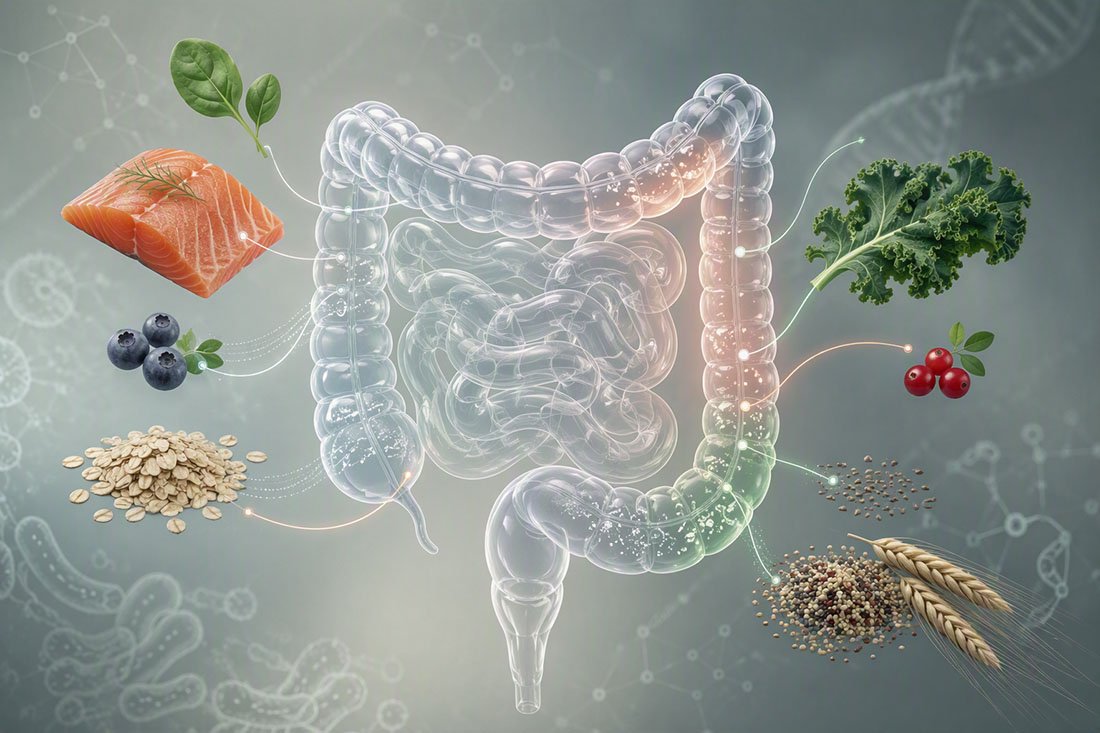
That personalized approach reflects the broader study goal of understanding why some patients respond to dietary therapy while others do not. Investigators will analyze stool samples to examine changes in the gut microbiome and determine whether specific bacterial profiles predict treatment success. Previous research has identified certain bacterial species associated with heightened inflammation and others associated with remission, suggesting that the microbiome could play a major role in dietary response.
The team is also exploring whether genetics influence the effectiveness of dietary interventions. Earlier research by Dr. Damas and colleagues found that differences in genes involved in polyunsaturated fatty acid metabolism significantly modified the relationship between diet and inflammation. Those findings suggest that dietary response may depend not only on what patients eat but also on how their bodies process nutrients.
The current trial builds on years of work examining the relationship between nutrition and inflammatory bowel disease. Previous studies from Dr. Damas’ group produced encouraging findings related to quality of life, gut-barrier function and biological markers of disease activity
Still, an important question remains unanswered
“We’ve never measured how it impacts improvement of inflammation, especially in patients who are not doing as well on medical therapies,” Dr. Damas said
If the study demonstrates that a tailored anti-inflammatory diet can reduce inflammation in patients receiving stable Crohn’s disease treatment, it could provide physicians with a valuable new tool before escalating medication therapy. Equally significant, the research may help identify which patients are most likely to benefit based on their microbiome, genetics, food preferences and cultural backgrounds.
Such findings would move the field closer to precision nutrition and an approach in which dietary recommendations are customized to each patient’s unique biology and lived experience