

Close Menu
HealthJustFineHealthJustFine

    Subscribe to Updates

    Get the latest creative news from FooBar about art, design and business.

    What's Hot

    I Tested Brain-Adaptive Earbuds to See If They Could Improve My Sleep

    August 12, 2026

    How much sleep do world leaders really get?

    August 12, 2026

    Frequent Sleep Disruptions Linked to Higher Genetic Risk of Alzheimer’s

    August 12, 2026
    Facebook X (Twitter) Instagram
    HealthJustFineHealthJustFine
    Facebook X (Twitter) Instagram
    • Home
    • General Health News
    • Sleep Health
    • Mental Wellness
    • Fitness & Recovery
    • Health Tech & Wearables
    • More
      • Longevity & Anti-Aging
      • Women’s Hormone Health
      • Gut Health & Microbiome
      • Metabolic Health & Blood Sugar
      • Nutrition & Anti-Inflammatory Foods
    HealthJustFineHealthJustFine
    Home»Sleep Health»Have trouble sleeping in a new place? Blame the ‘first-night effect’
    Sleep Health

    Have trouble sleeping in a new place? Blame the ‘first-night effect’

    HealthJustfine TeamBy HealthJustfine TeamAugust 11, 2026No Comments5 Mins Read
    Facebook Twitter Pinterest LinkedIn Tumblr Reddit WhatsApp Email
    Have trouble sleeping in a new place? Blame the ‘first-night effect’
    Share
    Facebook Twitter LinkedIn Pinterest WhatsApp Email

    Whenever Robinson Leoni spends his initial night somewhere new, the pattern remains identical: drifting off takes longer, nighttime awakenings occur far more frequently, and his total rest suffers

    At home, he averages seven hours. Spending an evening elsewhere—regardless of earplugs or mattress quality—drops his smartwatch total to roughly five hours

    “I feel normal, you know, no stress, nothing, but it’s just I notice I wake up continuously,” said Leoni, a sales director for a tech company who travels once or twice a month for work

    He is experiencing what sleep specialists call the first-night effect. The phenomenon has been confirmed by dozens of studies and is believed to have evolutionary roots a senior sleep researcher at the University of Freiburg in Switzerland

    Ahmad Mayeli, a psychiatry professor and sleep researcher at the University of Pittsburgh, said most people experience trouble sleeping in new environments (Getty/iStock)

    “It’s assumed to be an adaptation response that the sleeping brain remains vigilant in this unfamiliar environment,” Wick said

    Ahmad Mayeli, a psychiatry professor and sleep researcher at the University of Pittsburgh, noted that most people experience it, and even those who do not notice it likely do on a minor level

    On average, individuals sleep about 20 to 30 minutes less in a new environment. His research found that the frontal lobe, an area linked to the deepest sleep stage, was more active, indicating a sense of alertness. Consequently, people sleep less overall and less deeply

    “They are saying that, like in dolphins, part of the brain is awake when you are sleeping,” Mayeli said. “It’s not exactly like dolphins, but still, studies show part of the brain is sleeping less.”

    He noted that age makes a difference. The effect is more pronounced in children, adolescents, and older adults, and it typically worsens with age. Individuals in their 20s are the least affected

    “Maybe it’s the sweet spot,” he said

    Mayeli suspects that the human brain may be wired to be wary of new places because, historically, unaccustomed surroundings were the most dangerous during rest

    “It doesn’t matter if it’s a Marriott hotel or it’s the savannah,” he said. “Your brain hasn’t gotten the memo that this place is completely safe.”

    Wick said evidence suggests the effect fades after the first night

    Lisa Strauss, a psychologist specializing in cognitive behavioral treatment of sleep disorders, noted that several factors can impact sleep in a new setting beyond evolutionary vigilance

    Travel itself can have a negative effect, even within the same time zone. Environmental factors may get in the way, like a flashing smoke alarm light in a hotel room. Relational tension, perhaps while visiting distant relatives, could also contribute
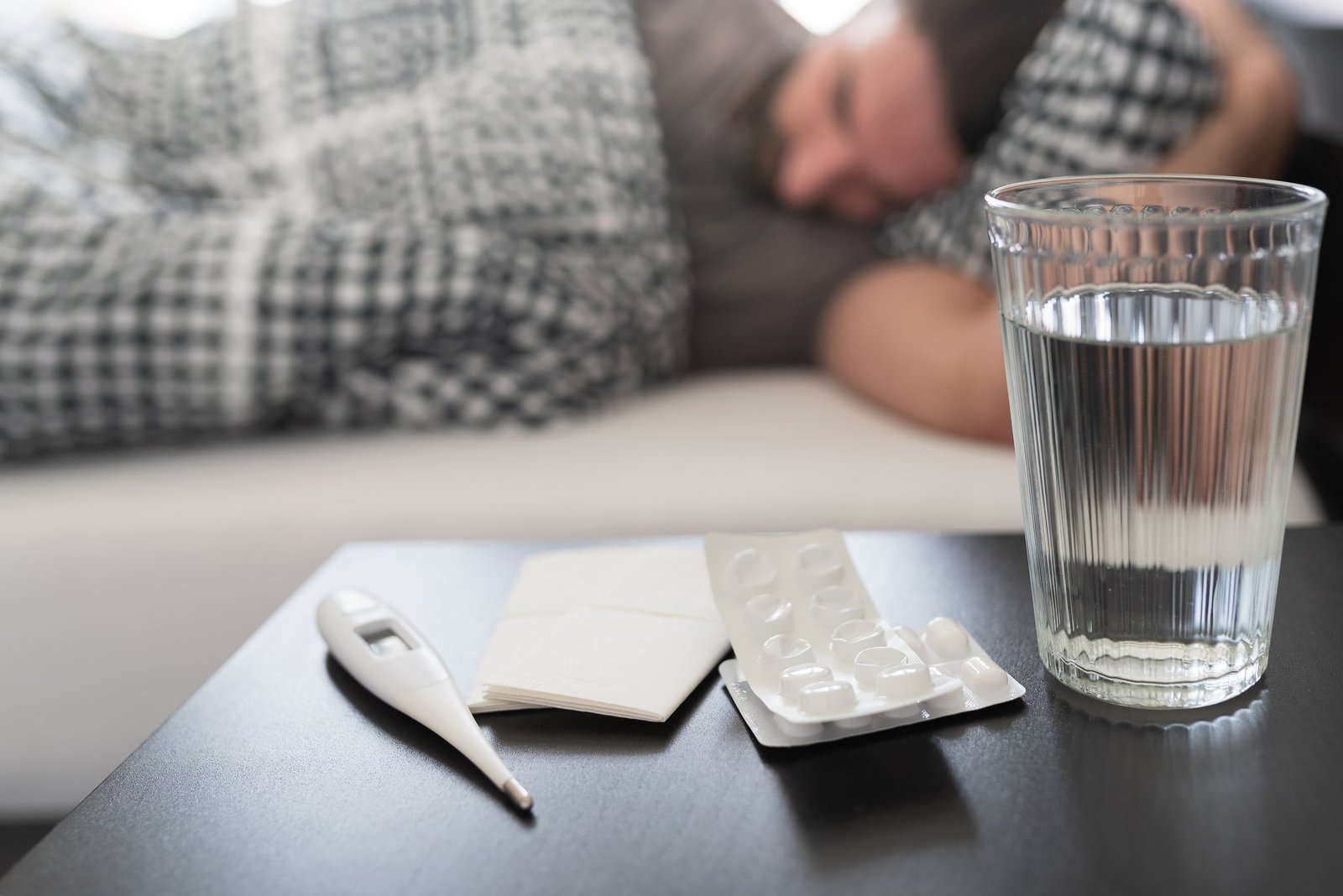
    People who have trouble sleeping at home might fare better because they don’t associate the new place with a history of difficulty sleeping
    People who have trouble sleeping at home might fare better because they don’t associate the new place with a history of difficulty sleeping (Getty/iStock)

    Strauss observed that some people may sleep better the first night if they are exhausted after a long day of travel or if the new location provides a sense of detachment from daily stressors. People who have trouble sleeping at home might also fare better because they do not associate the new environment with a history of restless nights

    While anyone can experience the first-night effect, Strauss said those who are more anxious at baseline are especially vulnerable. It becomes a self-fulfilling prophecy—the worry about whether they can sleep is what keeps them awake. Leoni acknowledged there are times he enters the first night contemplating how he will sleep

    “Sometimes the thoughts come automatically,” he said. “You talk with your colleague, and you say, ‘I’m going back to the room, but I’m not going to sleep anyway.’”

    Strauss recommends general sleep hygiene practices such as going to sleep in a cool, dark room at the same time every night, following a nighttime routine, and turning off screens well before bed. These steps are particularly helpful if started or resumed in the days or weeks prior to an important trip

    She suggested people try to make the environment their own by spending a little extra time in the new bed. They could read or engage in another peaceful, familiar activity to make the experience less novel, or bring familiar objects, like a favorite pillow or blanket

    For someone who is particularly anxious, Strauss recommended visualizing themselves in a safe, familiar environment, such as on a favorite hike or beach

    They should notice the anxiety they are feeling, then repeat positive phrases to help lower feelings of hypervigilance: “May you know that you are safe. May you know that you are loved. May you be at peace.”

    Mayeli said the first-night effect is not really anything to worry about, and people can easily make up for missing an hour or two of sleep for one night. However, he recommends arriving a day early to acclimate before an important meeting or event

    “If tomorrow matters, get there a night early,” he said, “so you’ll sleep like yourself when it counts.”

    Blame have place Sleeping Trouble
    HealthJustfine Team
    • Website
    • Facebook

    Related Posts

    I Tested Brain-Adaptive Earbuds to See If They Could Improve My Sleep

    August 12, 2026

    How much sleep do world leaders really get?

    August 12, 2026

    Frequent Sleep Disruptions Linked to Higher Genetic Risk of Alzheimer’s

    August 12, 2026
    Leave A Reply Cancel Reply

    Don't Miss
    Sleep Health

    I Tested Brain-Adaptive Earbuds to See If They Could Improve My Sleep

    By HealthJustfine TeamAugust 12, 20260

    I don’t play about my sleep. My bedtime routine begins promptly at 9 p.m., at which point I make my way over to my red light mask, magnesium pillow spray, and a perfectly-curated playlist of ASMR. Up until now, I’ve solely relied on my Oura ring to see how well I slept the night before…

    How much sleep do world leaders really get?

    August 12, 2026

    Frequent Sleep Disruptions Linked to Higher Genetic Risk of Alzheimer’s

    August 12, 2026

    Mental wellbeing: The ideal self we were taught to dream of

    August 12, 2026
    Stay In Touch
    • Facebook
    • Twitter
    • Pinterest
    • Instagram
    • YouTube
    • Vimeo
    Our Picks

    Expert shares 6 tips to recover faster and stronger after intense workout sessions- Moneycontrol.com

    June 28, 2026

    These Viral Fitness & Wellness Recovery Products Are Taking Over TikTok Ahead of Prime Day

    June 28, 2026

    Life Time Has Created a Fitness and Recovery Paradise – Muscle & Fitness

    June 28, 2026

    The Movement Twenty Four: New 24-Hour Fitness and Recovery Hub Opens Down South

    June 28, 2026

    Subscribe to Updates

    Get the latest creative news from SmartMag about art & design.

    About Us

    Welcome to HealthJustFine.com, your trusted destination for reliable health news, wellness insights, and evidence-based information that empowers you to live a healthier life.
    Our mission is to make quality health information accessible, easy to understand, and relevant for everyone. We believe that staying informed is the first step toward making better decisions about your health, nutrition, fitness, and overall well-being. That’s why we deliver timely updates on the latest medical research, healthy living trends, preventive care, and wellness innovations from around the world.

    Our Picks

    I Tested Brain-Adaptive Earbuds to See If They Could Improve My Sleep

    August 12, 2026

    How much sleep do world leaders really get?

    August 12, 2026

    Frequent Sleep Disruptions Linked to Higher Genetic Risk of Alzheimer’s

    August 12, 2026
    Latest Posts

    Expert shares 6 tips to recover faster and stronger after intense workout sessions- Moneycontrol.com

    June 28, 2026

    These Viral Fitness & Wellness Recovery Products Are Taking Over TikTok Ahead of Prime Day

    June 28, 2026

    Life Time Has Created a Fitness and Recovery Paradise – Muscle & Fitness

    June 28, 2026
    Facebook X (Twitter) Instagram Pinterest
    • About Us
    • Contact Us
    • Terms & Conditions
    • Privacy Policy
    • Disclaimer

    © 2026 healthjustfine.com. All rights reserved. Designed by DD.

    Type above and press Enter to search. Press Esc to cancel.