


WORLD
WORLD
World/
Europe
How much sleep do world leaders really get?
From Takaichi and Trump to Modi and Macron, many leaders have operated on little rest
Last updated: August 12, 2026 | 05:03
5 MIN READAdd as a preferred source on Google
Running a country is not exactly a nine-to-five operation. There are late-night negotiations, early-morning briefings, emergencies that refuse to observe time zones and an endless line-up of meetings, speeches and travel
But just how little sleep can a world leader get away with?
That question gained fresh attention after Japanese Prime Minister Sanae Takaichi made an extraordinary admission about her own routine: since taking office, there have been nights when she has got virtually no sleep at all
Writing on X during a public holiday in July, Takaichi said she had finally managed five hours of uninterrupted sleep – something she regarded as a rarity. Her normal nightly total since becoming prime minister, she said, was between zero and three hours
The disclosure sparked concern in Japan, where long working hours and deaths linked to overwork have been a national issue for decades. It also raises a wider question: are extreme working hours really evidence of stamina and dedication in political leaders, or can insufficient sleep become a liability when they are making decisions affecting millions of people?
So how much sleep have some of the world’s best-known political leaders said they get?
The figures below are based on statements by the leaders themselves or reports from established news organisations. They are not medical measurements, and sleeping patterns can change according to workload, travel, emergencies and circumstances
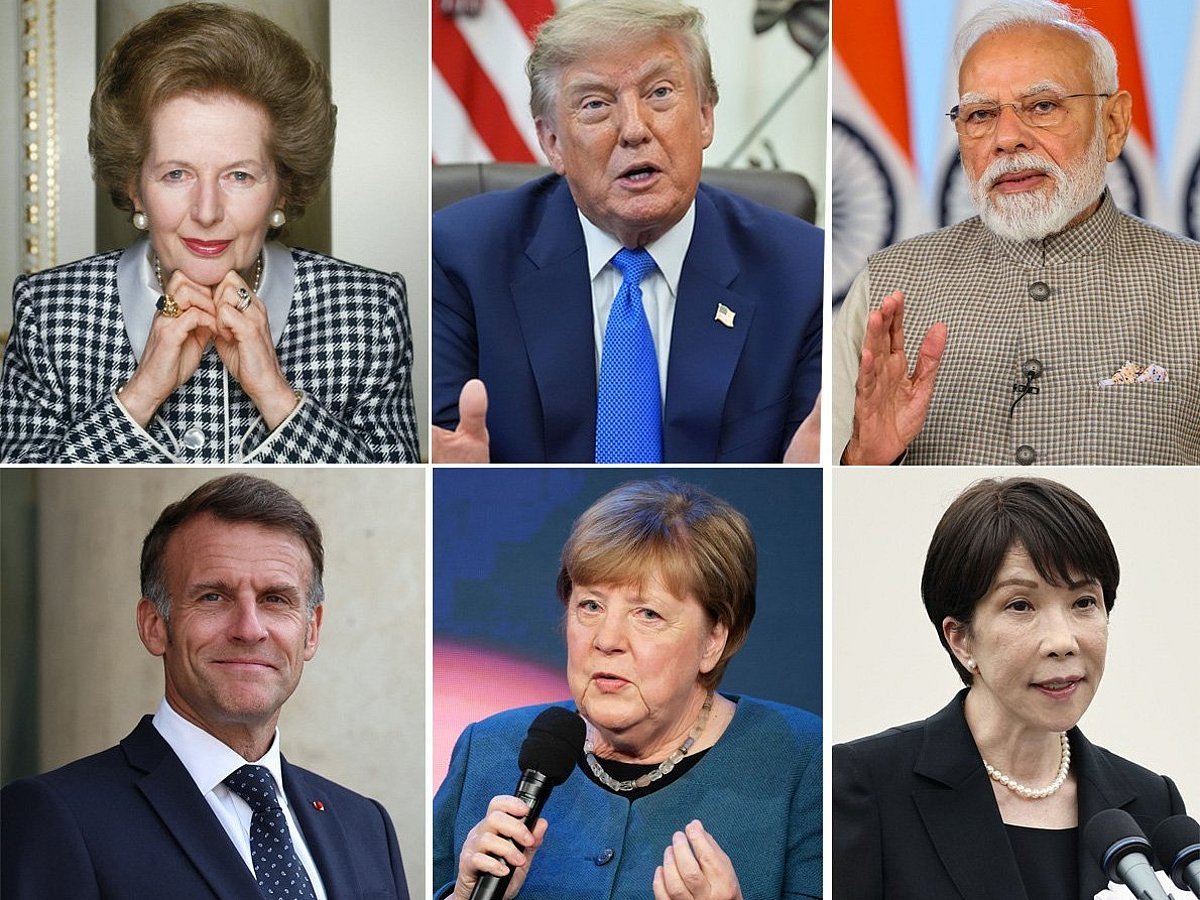
Sanae Takaichi: Zero to three hours
Japan’s prime minister currently appears to occupy the extreme end of the political sleep spectrum
Takaichi said in July that since becoming prime minister she normally gets between zero and three hours of sleep a night. She described managing five uninterrupted hours during a public holiday as “a blessing”
Her comments, reported by AP, prompted concern in Japan and renewed discussion about the country’s culture of long working hours
The issue has particular resonance because of Japan’s decades-long struggle with karoshi — death linked to overwork
Donald Trump: Four to five hours
US President Donald Trump has long described himself as a short sleeper
In a 2017 interview with Fox News, Trump said he frequently slept for only four or five hours a night. AP reported at the time that Trump said he generally worked until midnight or 1am and was awake again at around 5am
The routine was consistent with Trump’s long-standing public portrayal of himself as someone who requires relatively little sleep
Narendra Modi: Three to four hours
Indian Prime Minister Narendra Modi has publicly described himself as someone who sleeps considerably less than the amount normally recommended for adults
During his 2019 interview with Bollywood actor Akshay Kumar, the conversation turned to Modi’s sleeping habits
Modi said his body cycle was such that he generally slept for three to four hours, adding that he slept soundly during that time
Emmanuel Macron: Three to four hours
French President Emmanuel Macron has also been reported to operate on remarkably little sleep, although the figure comes from earlier in his presidency rather than a recent disclosure
The Financial Times reported in 2018 that Macron was sleeping only three or four hours a night amid an intense working schedule. Reports from the period portrayed him as a person who continued working and communicating with aides late into the evening
Barack Obama: About five hours
Former US president Barack Obama was another well-known White House night owl
The New York Times reported in 2016 that Obama generally slept about five hours a night. After having dinner with his family, he would often spend several more hours working alone late at night, reading briefing papers, writing and preparing for the following day
The quiet nighttime hours reportedly gave Obama an opportunity to work with fewer interruptions after the frenetic activity of the presidential day had subsided
Angela Merkel: A few hours during intense periods
Former German chancellor Angela Merkel had a memorable way of describing her ability to cope temporarily with insufficient sleep: she compared herself to a camel
Reuters reported Merkel saying she could manage for several days on only a few hours of sleep provided she subsequently had an opportunity to catch up
Her “sleep camel” description is important because Merkel did not portray herself as someone who permanently required almost no sleep. Rather, she suggested she could accumulate a sleep deficit during periods of intense work and recover when circumstances allowed
Margaret Thatcher: About four hours
Long before smartphones, round-the-clock news and today’s constantly connected political world, Margaret Thatcher helped create the image of the political leader who seemed barely to need sleep
The former British prime minister was famously associated with sleeping about four hours a night — and in this case, the claim came from Thatcher herself
In a 1989 interview with The Sun, preserved in the Margaret Thatcher Foundation archive, Thatcher said: “These days I find it very difficult actually to sleep more than four hours.”
Her former press secretary, Sir Bernard Ingham, also subsequently described Thatcher as someone who slept for around four hours a night
Is less sleep really an advantage?
The political fascination with leaders who sleep for only a few hours reflects a wider tendency to associate sleeping less with stamina, productivity and commitment
But sleep specialists offer a more complicated picture
A small number of people appear naturally able to function well on unusually little sleep, with research suggesting that genetics can play a role in so-called natural short sleepers. They are, however, considered unusual
For most adults, regularly getting too little sleep is not regarded as an advantage. The CDC recommends at least seven hours for adults aged 18 to 60 and says sufficient sleep helps improve attention and memory, among other health benefits
For people entrusted with decisions that can affect millions, the important question may not simply be how long they can stay awake
It is how clearly they can think while doing so
Related Topics:
Donald TrumpNarendra Modi
Get Updates on Topics You Choose
Up Next
Related Stories
Modi announces exam reform task force after protests
1m read
Japan PM’s 3-hour sleep habit spark work-life debate
3m read
New Zealand, India strike ‘milestone’ strategic ties
2m read
Sport takes centre stage in Modi-Albanese meeting
1m read
