



Study Links Sleep Patterns to Alzheimer’s Disease Risk
| 2026-08-13
Study Links Sleep Patterns to Alzheimer’s Disease Risk
A new study suggests sleep disturbances may identify those at risk of Alzheimer’s disease. Research highlights the role of micro-awakenings in older adults.
Researchers from the University of Liège, in collaboration with the Stop Alzheimer’s Foundation, have conducted a significant study analysing sleep patterns among more than 500 healthy adults. Their findings, published in the journal Sleep, suggest that disturbances during sleep, specifically nocturnal micro-awakenings, could indicate a higher genetic risk for Alzheimer’s disease, particularly in middle-aged individuals.
The research team focused on participants ranging from young adults aged 18 to 31 to older individuals aged 50 to 69. They calculated a polygenic risk score to summarise the genetic factors influencing Alzheimer’s susceptibility. Notably, while the overall risk may be low, the relationship between sleep disturbances and genetic predisposition appears to be stronger in older adults
Among those in the older age group, increased frequency of micro-awakenings—brief episodes of waking that do not lead to full consciousness—was linked to a heightened genetic risk of developing Alzheimer’s. In contrast, no such connection was found in the younger cohort. Puneet Talwar, a researcher at GIGA ULiège, remarked, “These micro-awakenings are therefore not insignificant; certain profiles could promote the accumulation of proteins involved in Alzheimer’s disease and be associated with increased vulnerability.”
The study also examined the locus coeruleus, a small but crucial area in the brainstem responsible for regulating wakefulness and sleep patterns. Gilles Vandewalle, co-director of the GIGA CRC In Vivo Imaging technology platform, highlighted its importance in the early mechanisms associated with Alzheimer’s disease. Previous research indicated that the state of the locus coeruleus is connected to sleep quality, particularly the depth and duration of REM sleep, which plays a critical role in memory retention.
The implications of this study are significant, opening potential pathways for early screening and preventative strategies. As Vandewalle explained, “Sleep could become an accessible marker for the early identification of vulnerable individuals.” Improving sleep quality could also serve as an intervention method to slow the progression of Alzheimer’s in genetically predisposed individuals. Lucie Leroux, head of French-speaking initiatives at the Stop Alzheimer’s Foundation, echoed this sentiment, stating, “This research shows that sleep is not only an indicator of health but also a potential lever for intervention.”
While Alzheimer’s disease affects over 220,000 individuals in Belgium alone, the study’s findings are still under review and highlight statistical associations rather than definitive predictions of the disease. Researchers emphasise the need for ongoing basic research to deepen understanding and, eventually, establish means to anticipate the disease’s onset. As Alzheimer’s disease continues to rise globally, the need for effective early detection methods has never been more urgent.
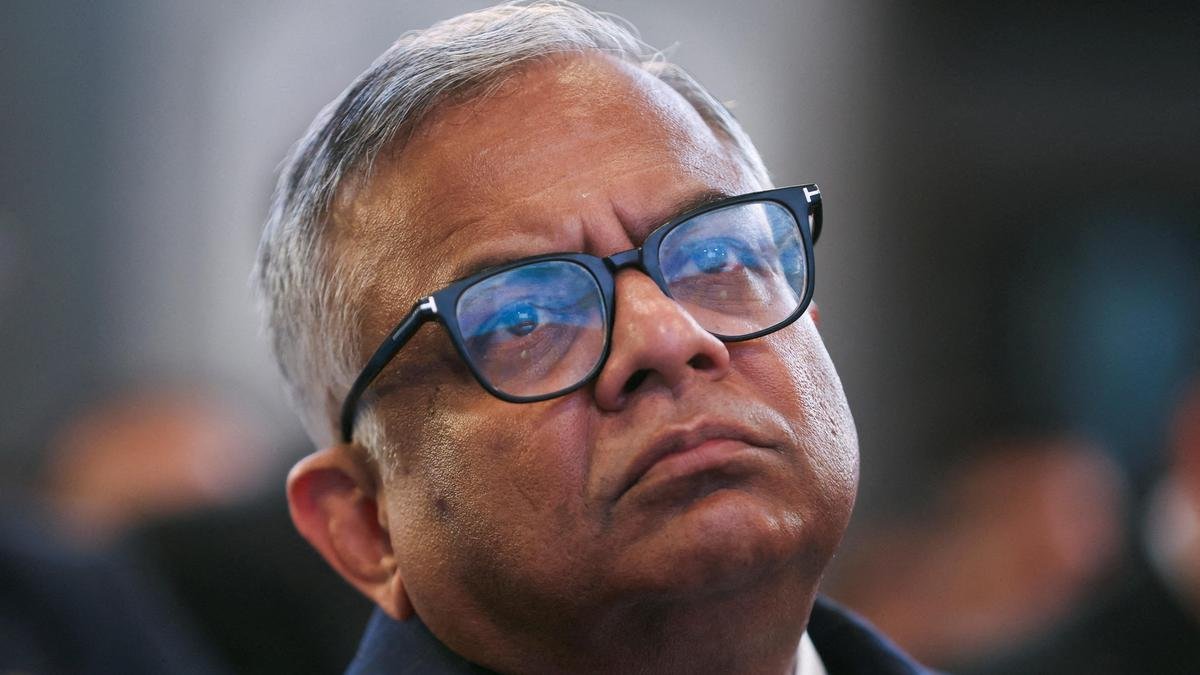
Tata Group’s Transformation Under Tech Leader’s Guidance
Exploring the innovative strategies reshaping the Tata Group under the new leadership, highlighting sustainable growth and global expansion.
| 2026-08-13
India’s Government Revises Position on Foreign Contribution Bill
The Indian government has adjusted its stance on the Foreign Contribution Regulation Act following requests from minority groups.
| 2026-08-13
Karnataka Schools Expected to Remain Open Amid Cauvery Dispute
Karnataka schools are likely to stay open as managements withdraw shutdown plans amidst ongoing Cauvery water sharing tensions.
| 2026-08-13
India’s Parliament Passes Bill to Revise Co-operative Development Act
The National Co-operative Development Corporation Amendment Bill, 2026, aims to enhance financial support for co-operatives in India.
| 2026-08-13
Karnataka Cabinet Assigns Portfolios Ahead of Monsoon Session
Chief Minister DK Shivakumar allocates portfolios to new ministers, signalling changes ahead of the Karnataka Assembly’s monsoon session.
| 2026-08-13
