


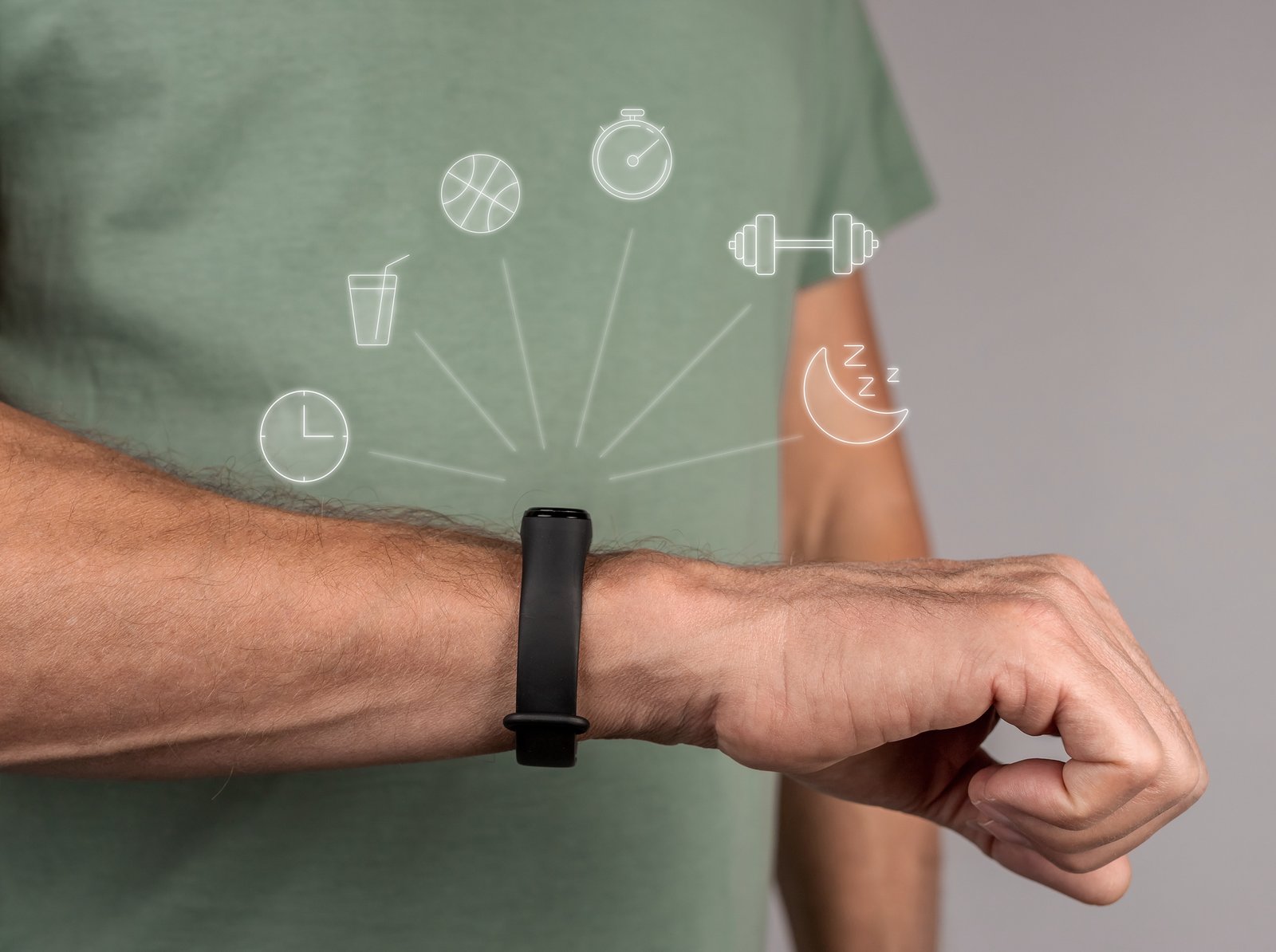
Fitness trackers have transformed how we understand our bodies, but constantly checking recovery scores and sleep metrics can sometimes create more anxiety than progress. Here’s how to find the right balance
We’ve never known more about our bodies. A glance at your wrist can tell you how well you slept, whether you’re recovered enough to train and even how stressed your nervous system might be
For many people, that information is empowering. But for others, it becomes another ng exhausted before you’ve even got out of bed, while a low recovery rating can convince you to skip a workout you might have enjoyed
The problem isn’t wearable technology itself – it’s forgetting that the numbers are only part of the picture. Used well, health trackers help you spot long-term patterns and make smarter decisions. Used badly, they can disconnect you from the one
For some people, constantly checking numbers can create anxiety around health and performance. A poor sleep score can make you question your energy before the day has even started, while a low recovery score can change how you approach training. A study onorthosomniaexplored how excessive focus on sleep tracking data can contribute to sleep-related anxiety and worsen the experience of sleep
The goal of tracking was always to help you understand your body better, not become disconnected from it
A recovery score might suggest you are not ready to train, but it cannot know everything happening in your life. Stress at work, emotional pressure, nutrition, previous training and your own motivation all influence performance
Sleep expert Stephanie Romiszewski warns that sleep tracking can sometimes create unnecessary anxiety, particularly when people become overly focused on hitting a perfect score rather than paying attention to how they actually feel and function. The goal of sleep technology should be to provide insight, not create another
One poor night’s sleep does not mean your workout will be poor. One low HRV reading does not mean your body has suddenly stopped recovering, however it can be a useful metric to track, especially if you’re waking up after a good amount of sleep and still not feeling refreshed. Research into heart rate variability (HRV) highlights that it can provide useful information about recovery and stress, but interpretation is complex and should be viewed alongside other factors.
The most useful data is information that helps you make better decisions, not information that creates fear around every small change. For many athletes, including Olympians, tracking can sometimes add to the pressure they already experience. The key is finding the right balance: using data to improve performance and recovery, without allowing it to create unnecessary stress
Health and fitness have entered an era where everything can feel like it needs improving. The perfect morning routine, the perfect recovery score, the perfect supplement stack. But the pursuit of optimisation can sometimes create more stress than progress
Elite athletes use data because it gives them extra information, but they also rely heavily on experience. They understand when their body feels ready, when they need to push and when recovery needs to take priority
The best performers don’t ignore data. They simply know that data is one piece of the puzzle and sometimes this can be very useful. Studies in sports sciencehave shown that athlete monitoring can help manage training loads, but coaches must combine objective data with subjective feedback from athletes
Before wearable technology existed, people still understood when they were recovering well. Your body constantly provides feedback through behaviour and emotional shifts like :
- Energy levels
- Mood
- Motivation
- Training performance
- Sleep quality
A device can measure your heart rate or movement, but it cannot fully understand your emotions, your stress levels or the demands of your day. Learning to recognise these signals is a skill. It helps you become more aware of when to push harder and when to take your foot off the gas. Research on athlete self-monitoringshows that subjective measures such as perceived fatigue, mood and wellness can be valuable indicators of recovery status. Data tells you what happened. Awareness helps you understand why.
Wearables are most useful when they show trends rather than dictate every decision. A single bad night’s sleep is normal. A lower recovery score or higher resting heart rate in one morning doesn’t mean your progress has disappeared
The real value comes from looking at patterns over weeks and months. Maybe you notice your recovery improves when you train earlier. Maybe your sleep suffers after late meals, alcohol or using your phone too close to bedtime. Maybe travelling affects your energy more than you realise. This is where data becomes useful. It can help you ask better questions about your lifestyle and identify habits that support your performance.
The best athletes don’t chase perfect numbers every day. They use information to make better decisions while still paying attention to how they feel. The purpose of tracking should be curiosity, not judgement. The goal isn’t achieving perfect scores every morning. The goal is understanding what habits help you perform at your best
Before looking for another gadget, metric or recovery tool, it is worth asking whether the foundations are already in place
Consistent sleep.Good nutrition.Progressive training.Daily movement.Stress management
These habits have supported human health and performance long before wearable technology existed. They might not be as exciting as a new device or the latest optimisation trend, but they remain the behaviours that create the biggest results over time. Technology can be incredibly useful. It can highlight patterns, provide extra information and help you understand your body better. But it should support the fundamentals, not replace them.
The best recovery tools are often the simplest ones repeated consistently. A good night’s sleep, a well-structured training session, a nutritious meal and a daily walk may not look impressive on a screen, but these are the habits that build long-term performance
Technology has given us incredible insight into our health and performance. But the goal was never to become controlled by the numbers, the best results come when you combine data with self-awareness. Your watch can tell you how you slept. Your body can tell you how you feel.
Learning to listen to both is where real performance begins and this is used by some of the most successful athletes in the world. For the everyday man, technology should be used as a guide, not a judge. The goal is to use data to understand your body better, without becoming controlled by every small change or score
